Considered pruning of shrubs, roses, climbers and small trees, with beds, gravel and paving kept clean.
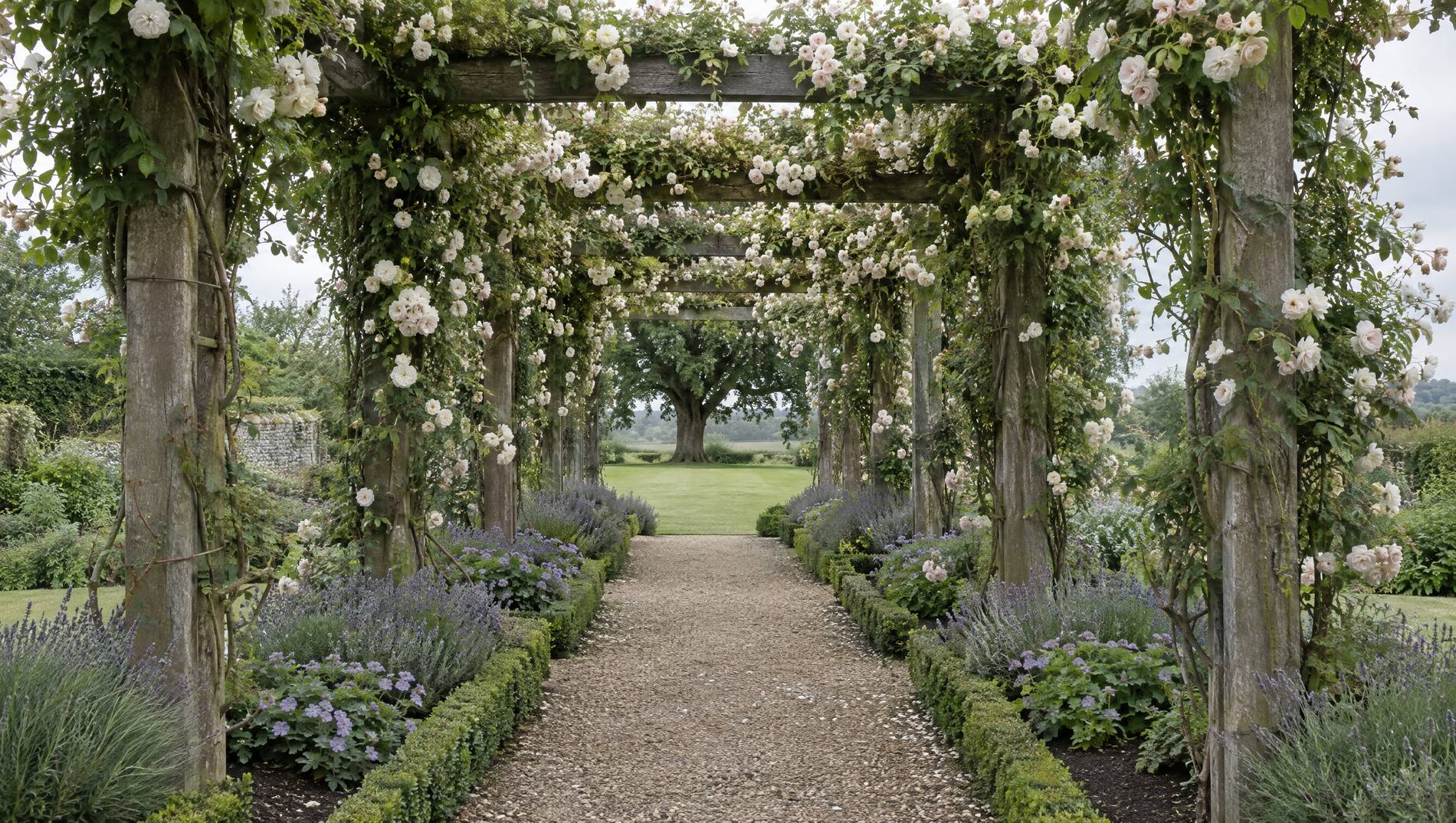
Pruning of shrubs, roses, climbers and small trees, done with bypass secateurs and a clear sense of what each plant wants. The aim is always to leave a plant healthier and better shaped than it was found, not just smaller. Old wood removed, weak growth thinned out, the form of the plant respected rather than cut into a box.
Alongside the pruning, regular weeding of borders, gravel, paving cracks and pathways. Weeded by hand where it matters most (beds, the edges of feature planting), with the right tools used elsewhere. Plant material is left tidy, not stacked, and all green waste is cleared and taken away as standard.
Weeds are not all one job. Annuals such as chickweed, groundsel and hairy bittercress are hoed off in dry weather while they are small, before they set seed and turn one neglected fortnight into next year's problem. Bittercress in particular fires its seed several feet when disturbed, which is why it is taken early rather than pulled when it is ready. Perennials are a different matter entirely: bindweed, couch grass, ground elder and dandelion have to be lifted with the root or weakened repeatedly over a season, because chopping the top off a bindweed simply prunes it. Knowing which is which is most of the skill.
Mulch does more for a border than weeding ever will. A layer of 50 to 75mm of composted bark or well rotted manure, laid over damp soil in spring once the ground has warmed, stops most weed seed germinating, holds moisture through a dry Suffolk summer and feeds the soil as it breaks down. It is the single most useful thing that can be done for a planted bed, and it makes every visit after it shorter.
Weeding across a garden is really several different jobs sharing one word. Borders are hand weeded and hoed, working from the path where the ground is wet so the soil structure is not trodden out of a bed that has taken years to get right. Gravel is raked and weeded out to its full edge, since gravel that is clean in the middle and green at the margins looks worse than gravel nobody has touched. Paving joints and path edges are scraped out properly rather than skimmed. Block paving is a special case, because pulling weeds out takes the jointing sand with them and the weeds come back faster than before.
Pruning covers roses, flowering and evergreen shrubs, climbers, hedging specimens, fruit trees and small ornamental trees. Anything above roughly five metres, anything over a structure, and anything requiring a chainsaw off the ground is tree work rather than pruning, and it is referred out to a qualified arborist rather than attempted. Being clear about that line is part of the job. A great deal of damage in Suffolk gardens has been done by someone with a ladder and more confidence than training.
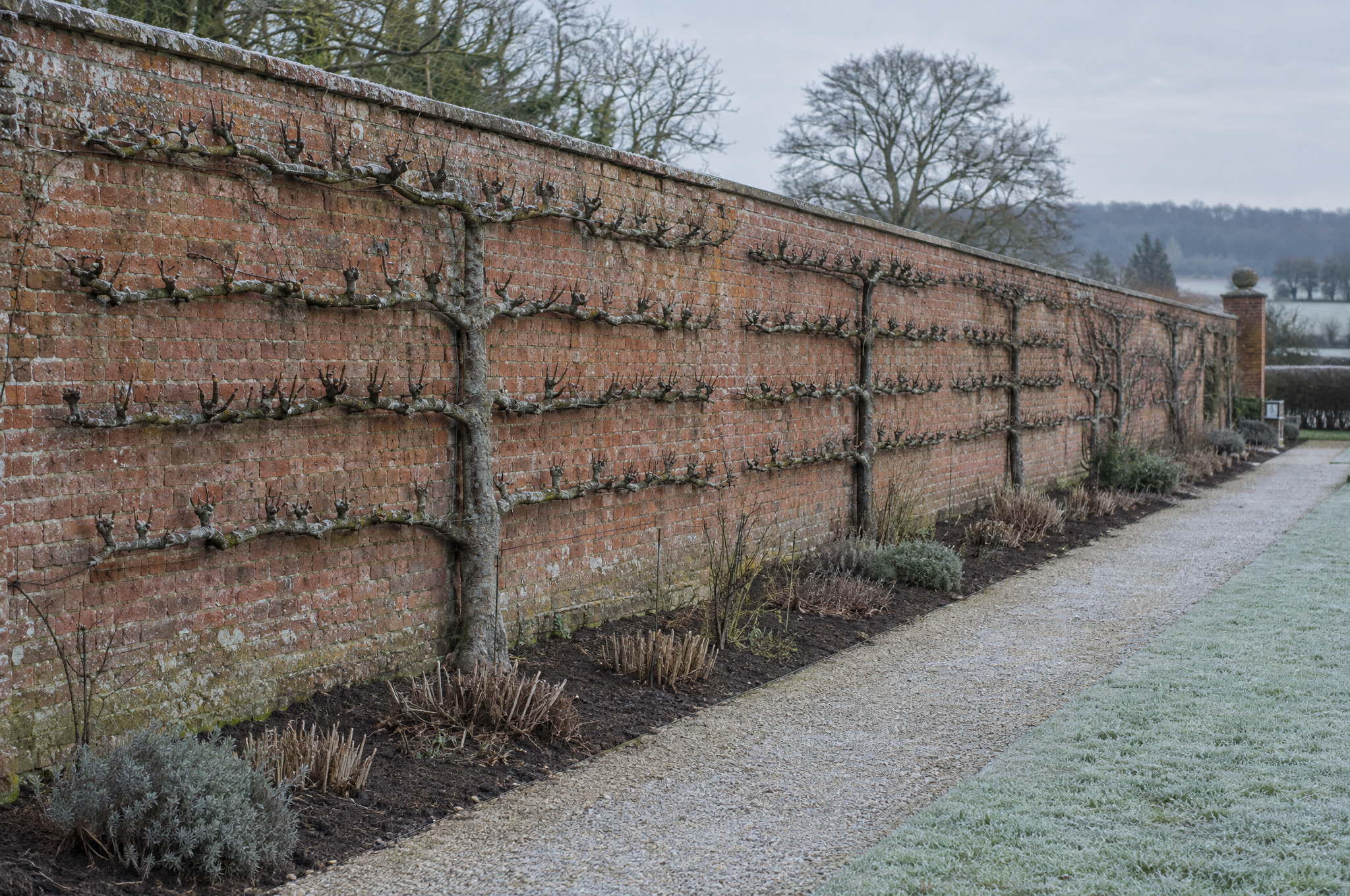
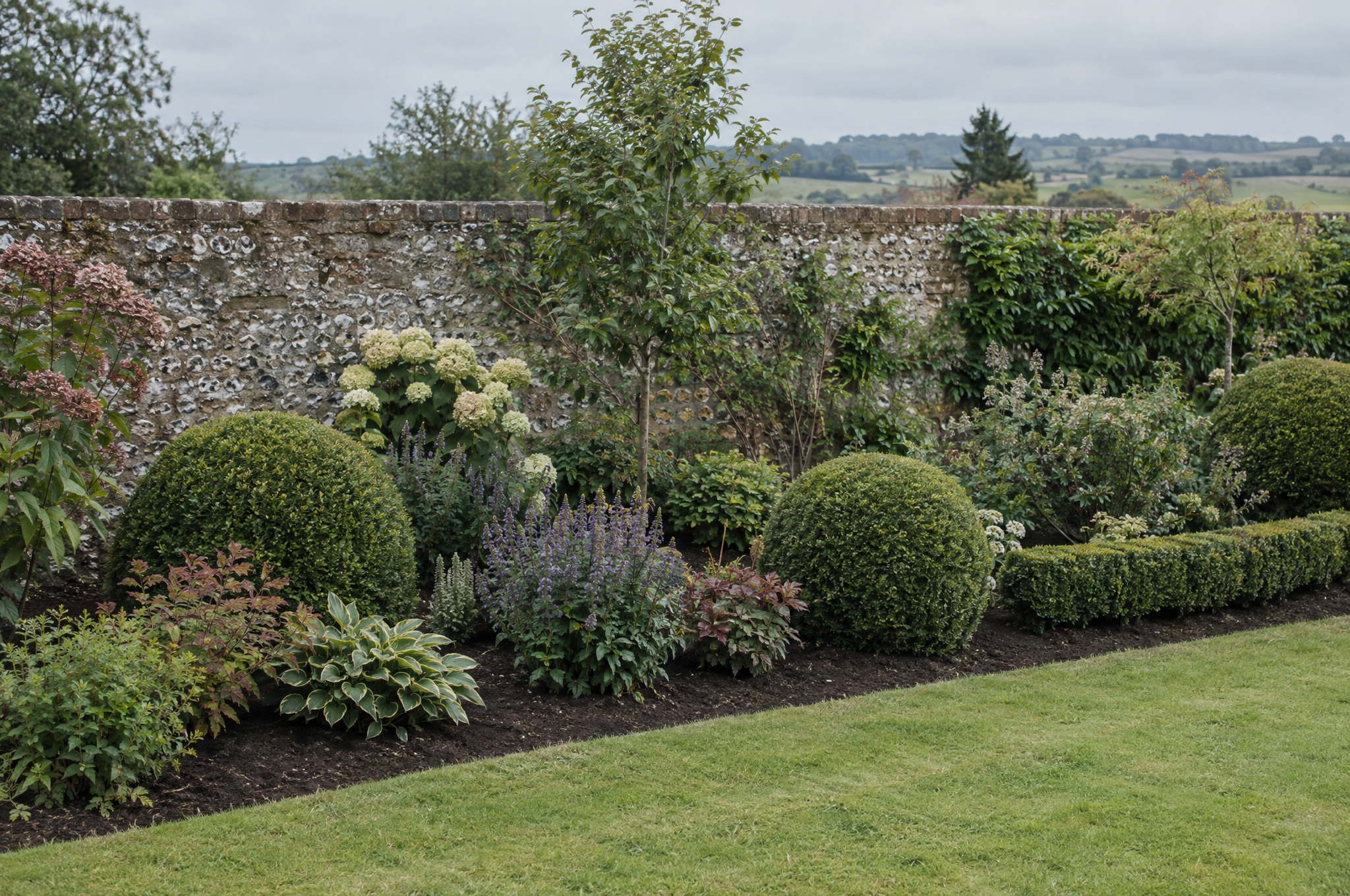
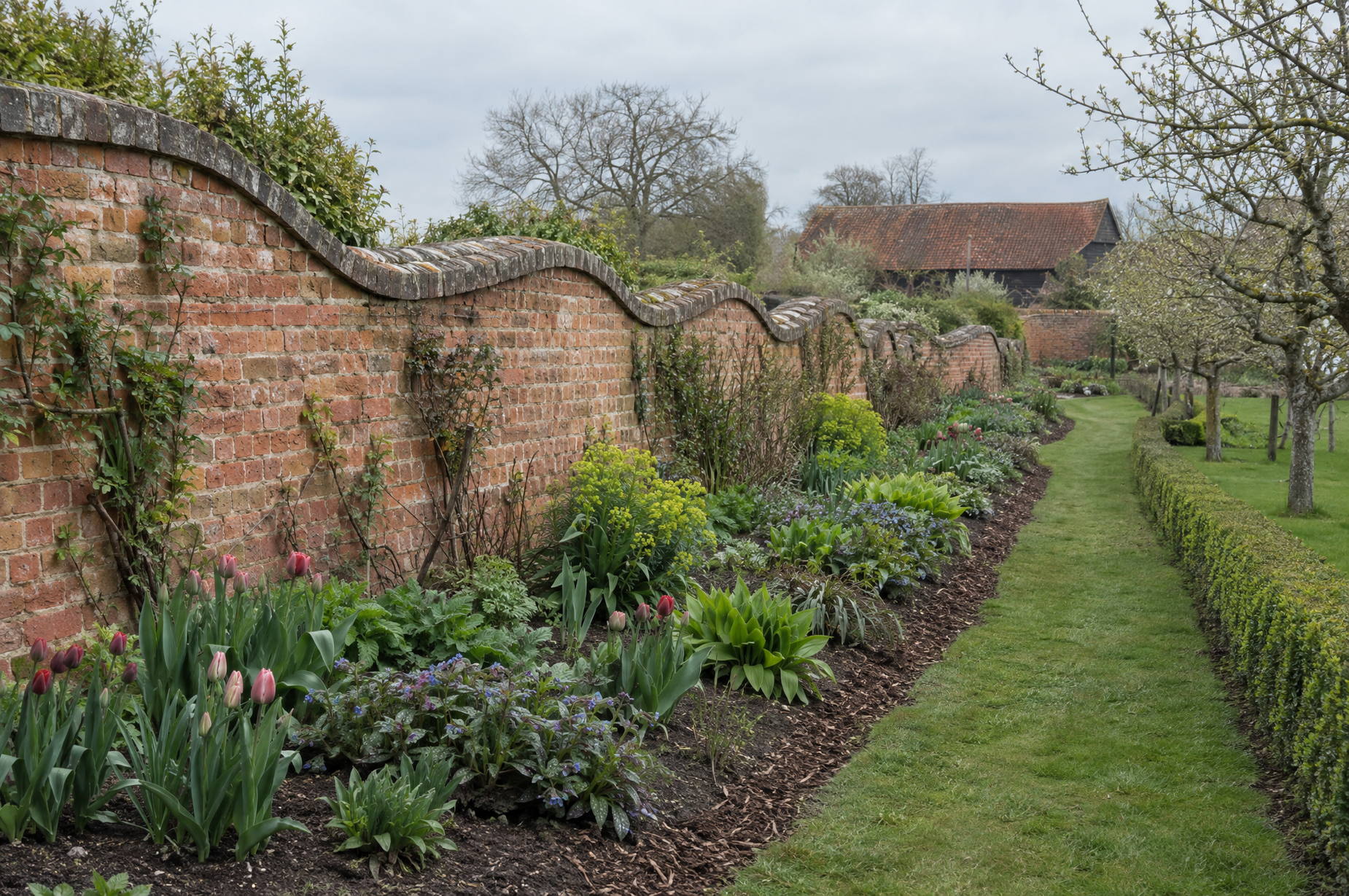
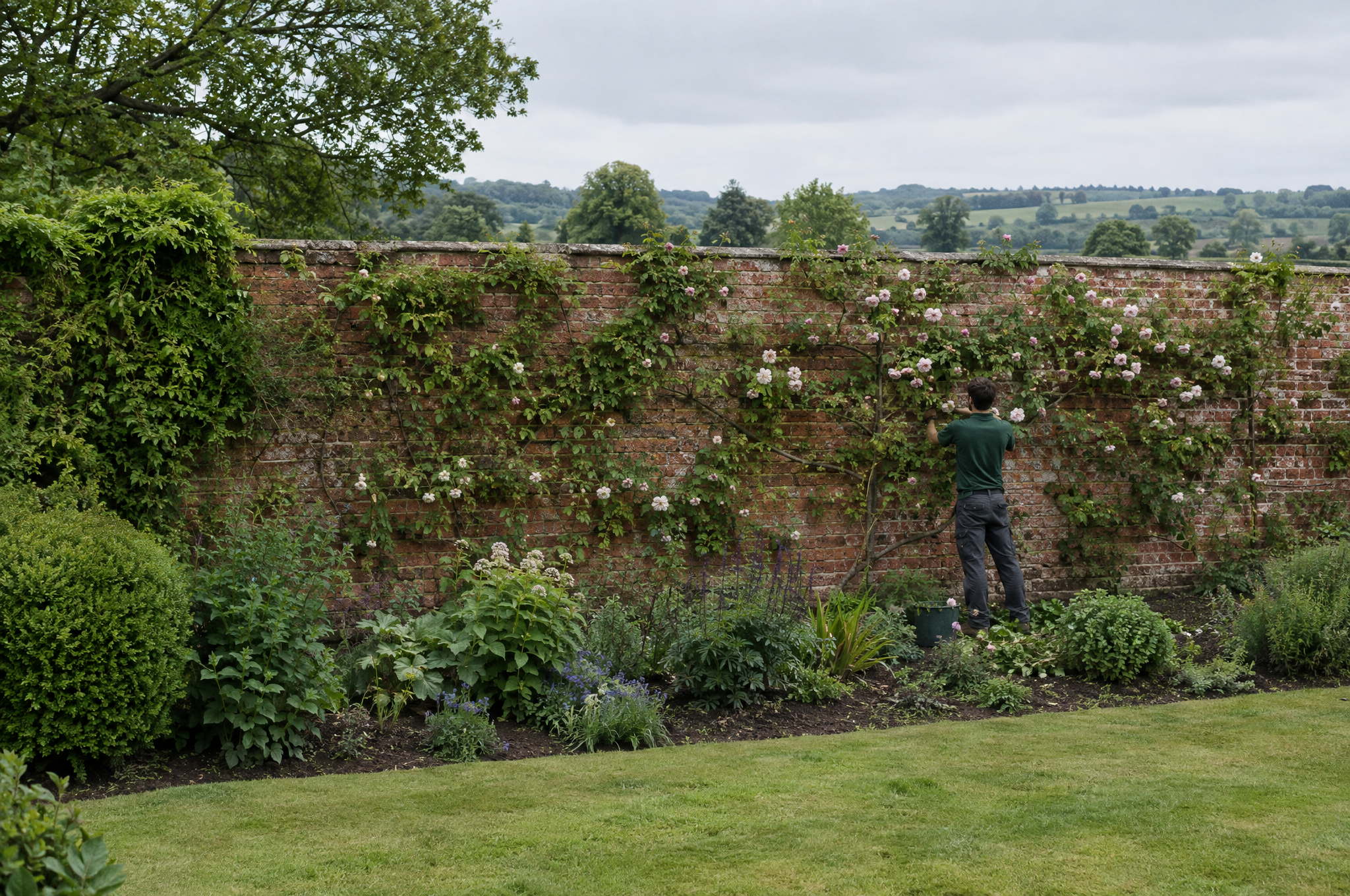
Different plants want different cuts at different times. A winter prune for roses, a hard cut back for buddleia in early spring, a summer prune for wisteria, the cautious hand on hydrangeas, light formative cuts on young fruit trees. The work is timed around what each plant actually wants rather than what fits a single visit.
The same applies to climbers and feature shrubs. Clematis cut by group, rambling roses tied back rather than chopped, philadelphus trimmed only after flowering. The brief is always to keep each plant in its best shape for the year ahead, not to make the work look done for the sake of it.
There is a rule of thumb underneath most of it. Shrubs that flower before midsummer are flowering on wood made the previous year, so they are pruned straight after they finish: forsythia, philadelphus, weigela and flowering currant all lose their display if they are tidied up over winter. Shrubs that flower after midsummer are flowering on the current season's growth and can be cut back hard in late winter, which is why buddleia, hardy fuchsia and the paniculata hydrangeas take a firm hand in March and come back stronger for it.
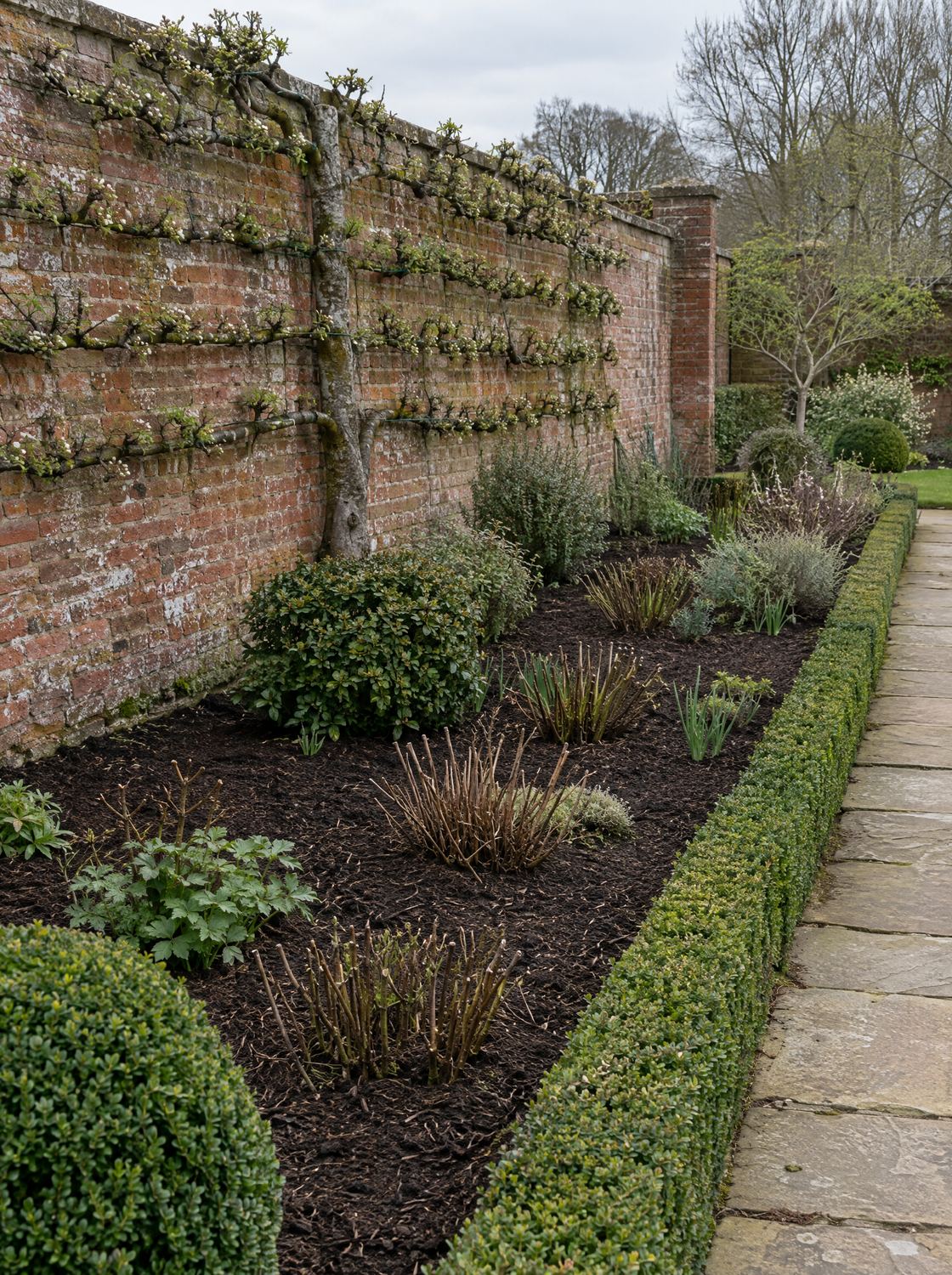
Then there are the specifics that catch people out. Wisteria takes two visits, the whippy summer growth shortened back to five or six leaves in July or August and then back to two or three buds in the winter. Lavender is trimmed into green growth after flowering and never into bare wood, which will not reshoot. Apples and pears are pruned in winter, plums and cherries only in summer, to keep silver leaf and canker out of the wound. An old neglected shrub is renovated over three years, taking a third of the oldest stems each time, rather than everything in one go and a bare stump for two seasons.
Roses take up more of the pruning year than anything else in most gardens, and they reward being treated as separate plants rather than one category. Hybrid teas and floribundas are cut hard in late winter to an outward facing bud, taking out the dead, the damaged and the crossing stems first and only then thinking about shape. Shrub and species roses want a lighter hand and lose their character entirely if they are cut like a bush rose. Ramblers flower on old wood and are tied in and thinned after flowering rather than shortened. Climbers are pruned in winter and their long shoots trained as near to horizontal as the wall allows, which is what produces flowers along the whole length instead of a bare stem with a display at the top.
Tools and hygiene matter more in pruning than in almost any other garden job. Bypass secateurs cut living wood cleanly where anvil blades crush it. Blades are kept sharp and clean between plants, particularly when moving from anything showing dieback, canker or blight. Cuts are made just above a bud and sloped away from it so water runs off, and a stub left beyond a bud simply dies back and becomes an entry point. None of this shows on the day. All of it shows the following summer.
Most weeding and pruning happens within the regular Garden Care round, but plenty of clients book a one off pruning visit at a specific time of the year. Common requests are a winter rose prune, a summer wisteria visit, a hard cut back of overgrown shrubs, or a focused weeding visit ahead of a garden event. Quotes are given in writing in advance, sized to the work involved.
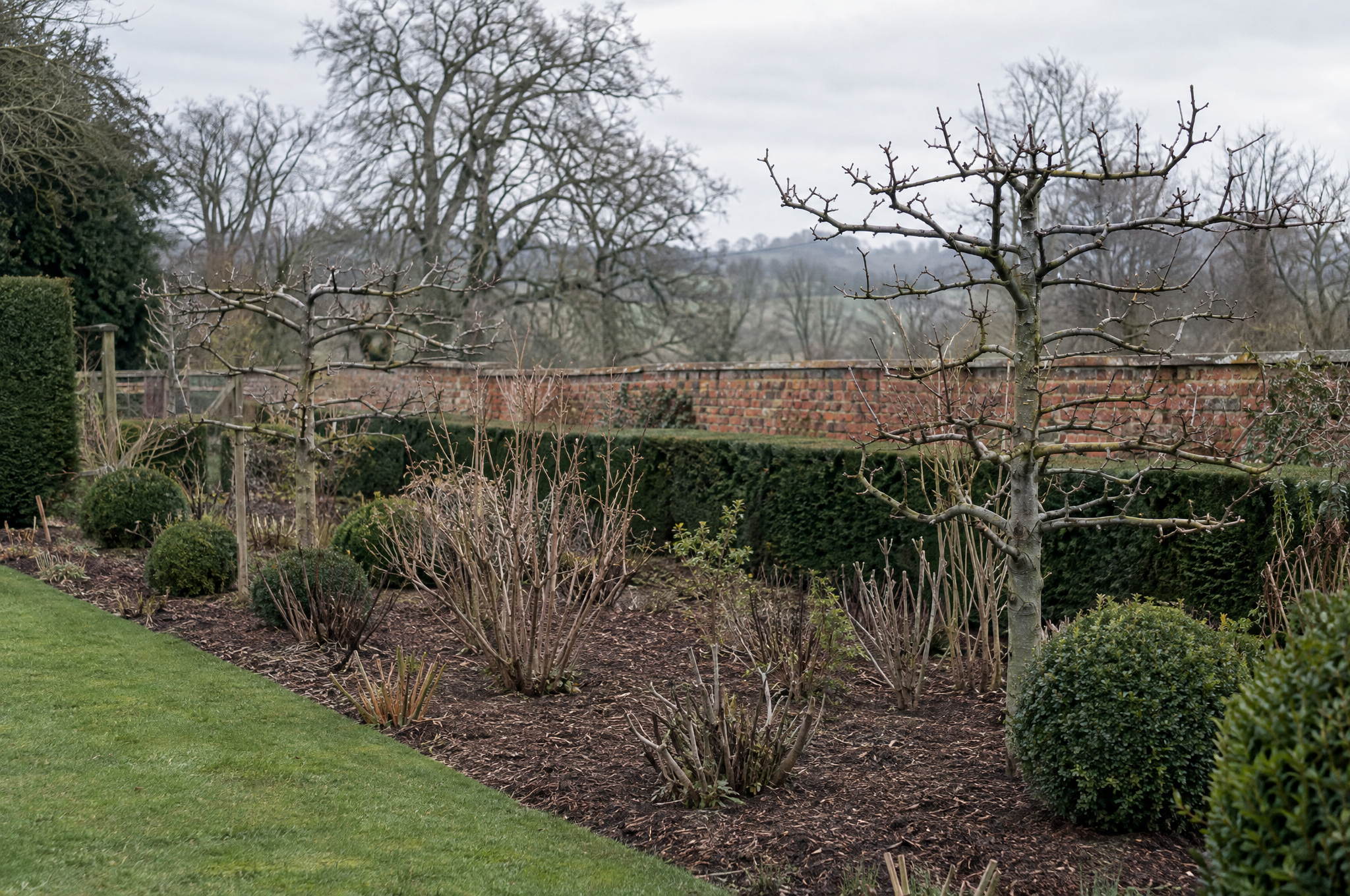
What goes wrong in a border is usually the shears. A whole garden sheared to one height on one day looks tidy for a fortnight and wrong for the rest of the year: shrubs that want to arch turned into balls, next year's flowering wood taken off with the untidy growth, and everything driven into the same dense outer shell that shades out its own middle. Cutting plant by plant takes longer on the day and a good deal less over the years.
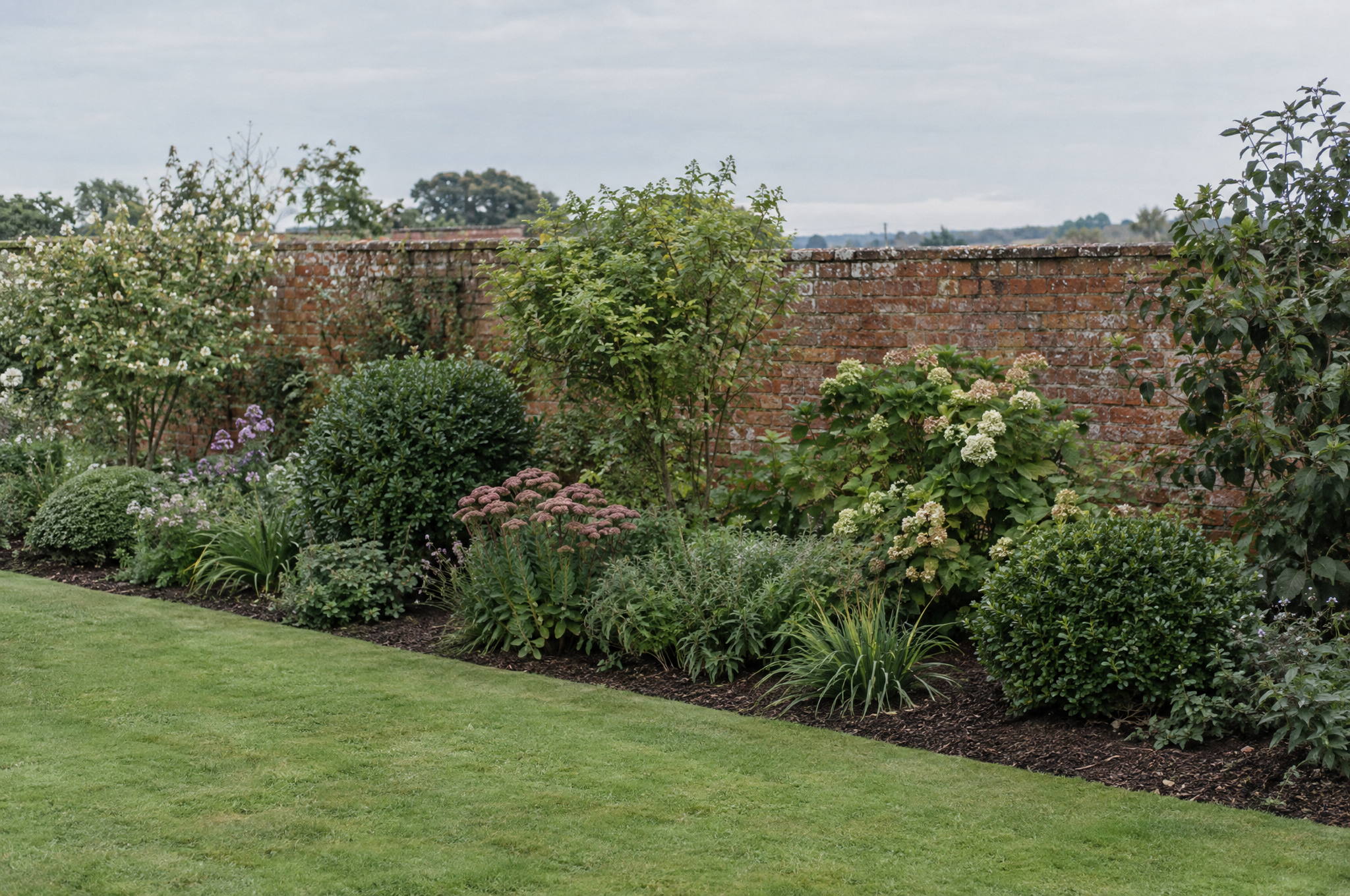
The finish is part of the work. Prunings are gathered as the job goes rather than piled up to deal with later, beds are left forked over and clean, gravel is cleared right out to its edges, and the green waste leaves with us. A border that has been properly pruned should not look as though it has been attacked. It should look like nothing much happened, until it flowers.
The month tends to choose itself. January and February bring the rose pruning and the winter shrub work. March takes the hard cut backs on buddleia and the late flowering hydrangeas. July and August are wisteria, the summer prune on plums and cherries, and the cut back on shrubs that have finished flowering. Autumn is mostly restraint, leaving perennials and seed heads where they do good over winter.
Where a garden wants this attention repeatedly rather than once, it is usually more economical inside a garden care round, since the weeding stays on top of itself instead of being rescued each time and the pruning falls in the right months without anyone having to remember. For gardens that are broadly under control and simply want resetting two or three times a year, a seasonal garden tidy up covers the same ground at the turn of each season.
Almost every mistake in a planted garden comes from timing rather than technique. The rose cut in November that should have waited for February. The philadelphus tidied in spring that then refuses to flower. The lavender taken back into old wood and lost for good. Keeping that calendar, plant by plant, across a garden with fifty different things in it, is the genuinely difficult part of ownership, and it is what most people are quietly asking for by the time they book a second pruning visit.
Four Seasons Garden Care is our ongoing garden care programme, and it holds the calendar on your behalf. Each plant is cut at the point in the year that suits it, what was done is recorded so that next year builds on this one rather than repeating it, and larger renovation work is flagged early and quoted separately rather than squeezed into a visit that was never long enough for it.

Suffolk Garden Maintenance covers the wider set of jobs that keep a country garden in good order through the year. Regular lawn cuts and crisp edging, careful weeding and considered pruning, seasonal tidy ups, the occasional one off restoration of an overgrown plot, pond cleaning and treatment, and jet washing of patios and paths.
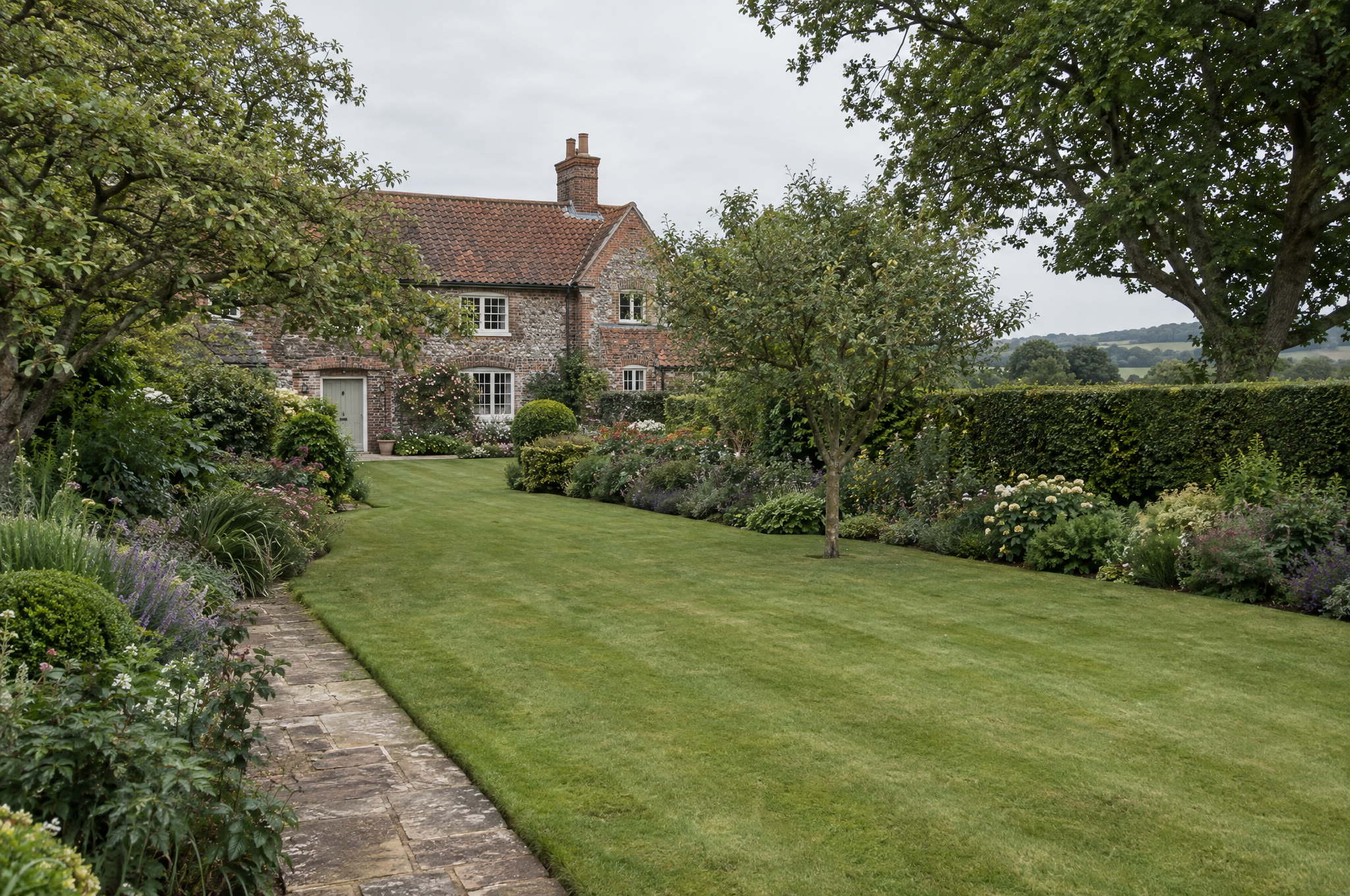
CARE
Garden CareA regular garden care round looking after the whole garden, with grass cutting, edges and beds kept calmly in good order season after season.
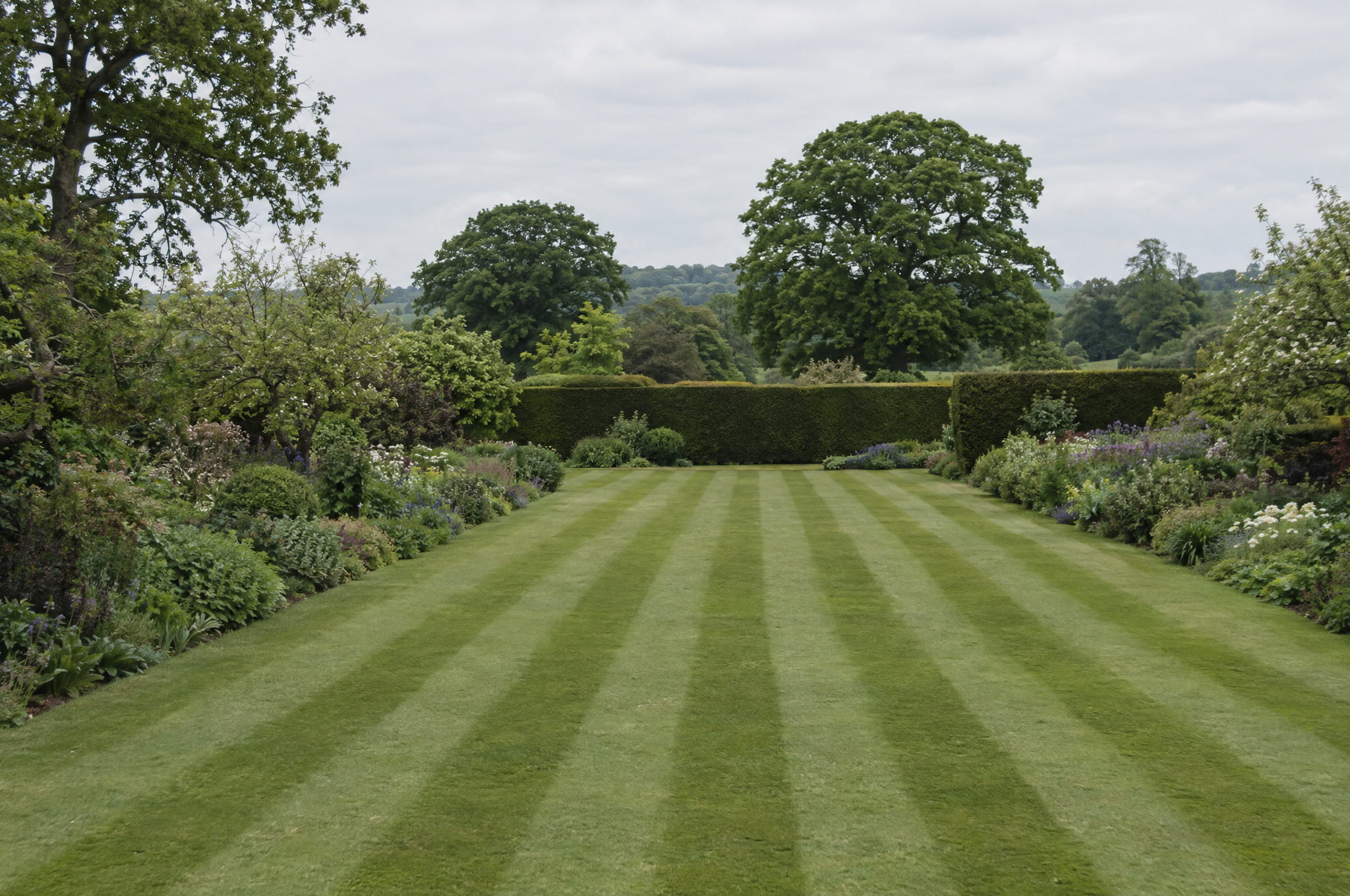
CUT
Lawn CutsWeekly and fortnightly mowing rounds on a fixed day, with crisp edges, even stripes and every clipping cleared.
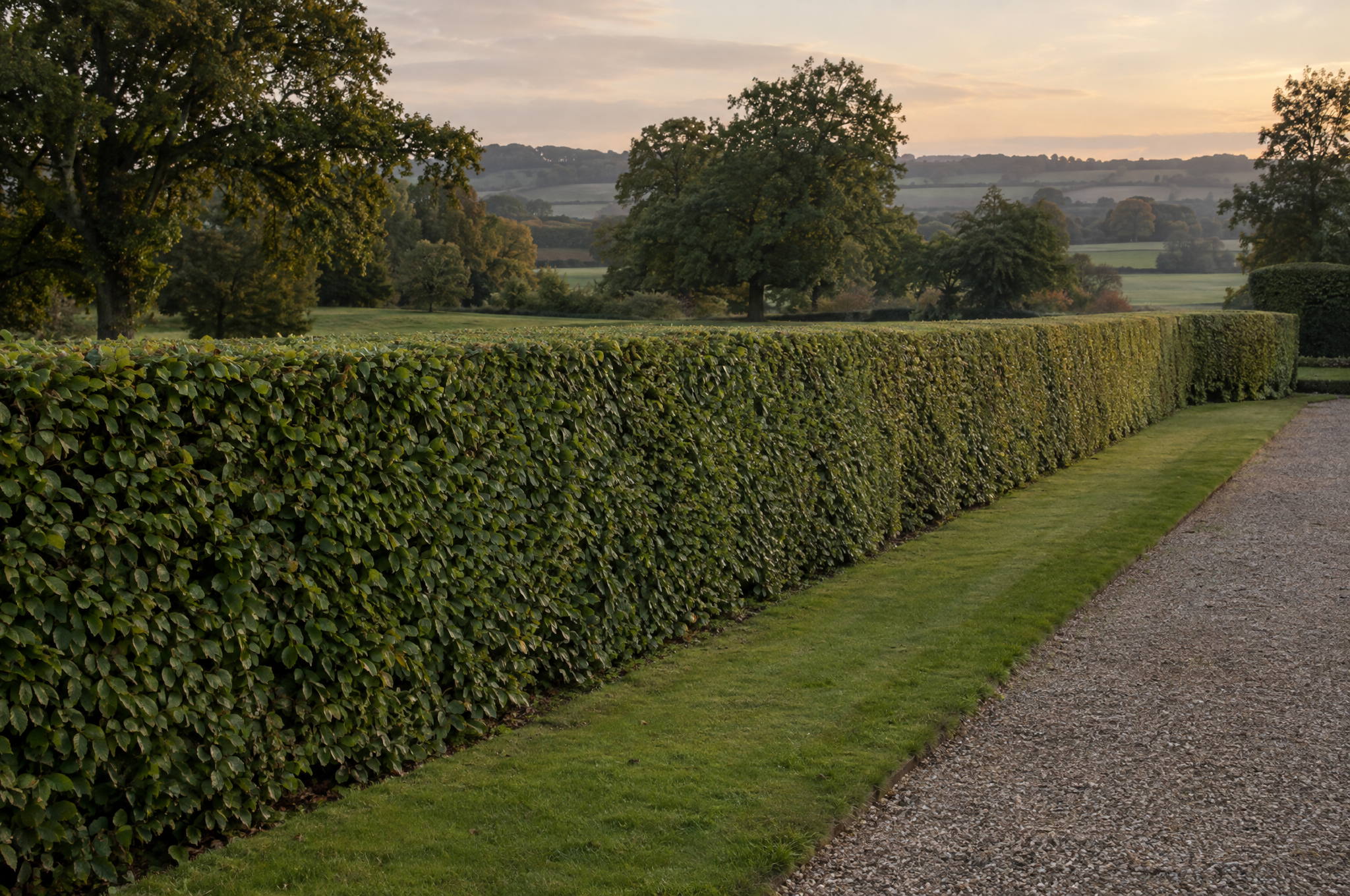
SHAPE
Hedge TrimmingEven cuts and careful shaping for boundary hedges, formal yew, beech, hornbeam, hawthorn and feature shrubs.
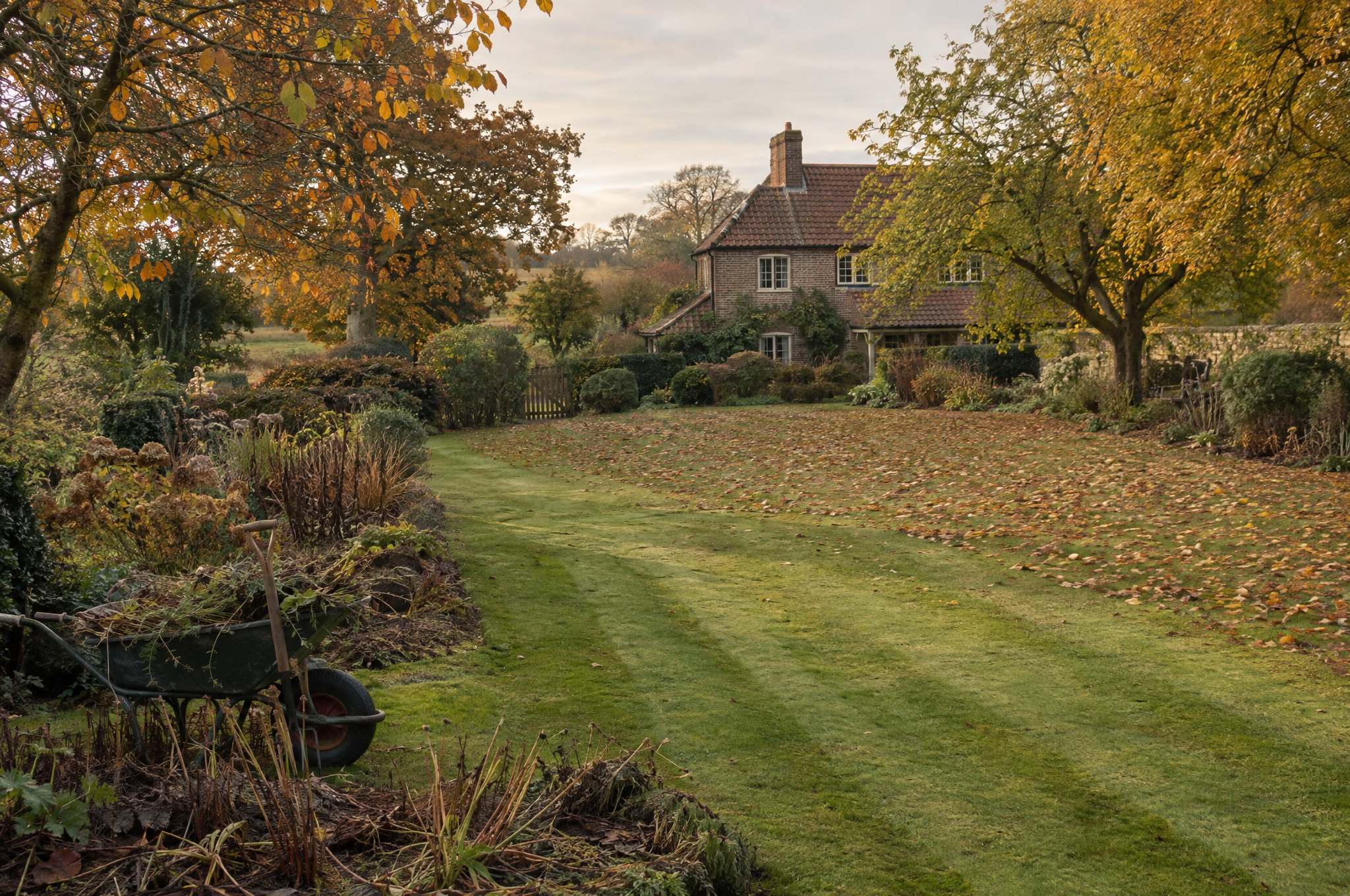
CLEAR
Seasonal Tidy UpsSpring resets, a midsummer garden tidy up and a pre winter tuck up for gardens that do not need a full round.
RESTORE
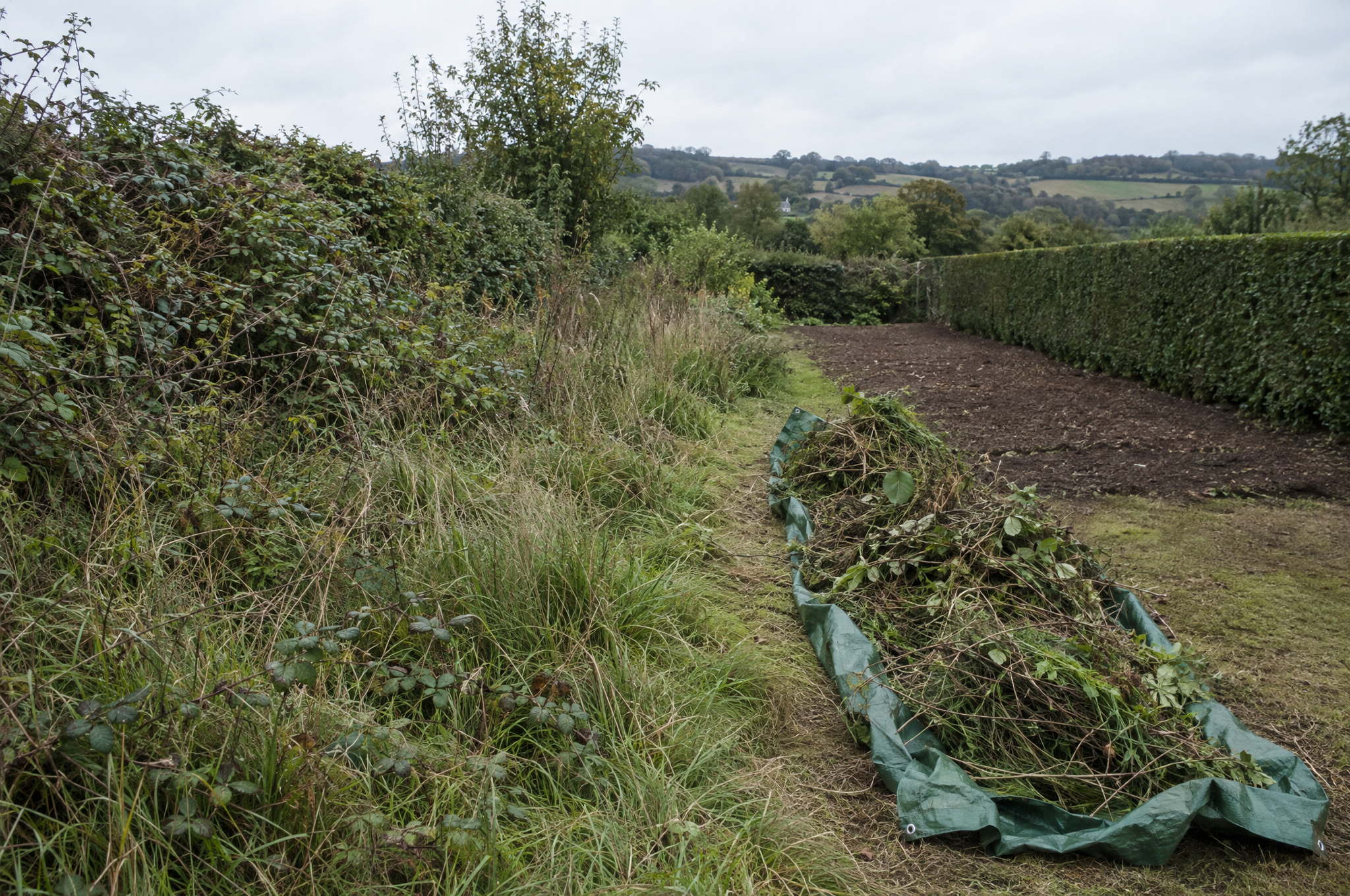
Garden Clean UpsOne off garden clearance and restoration of overgrown gardens, brought back into good order calmly and at your pace.
TEND
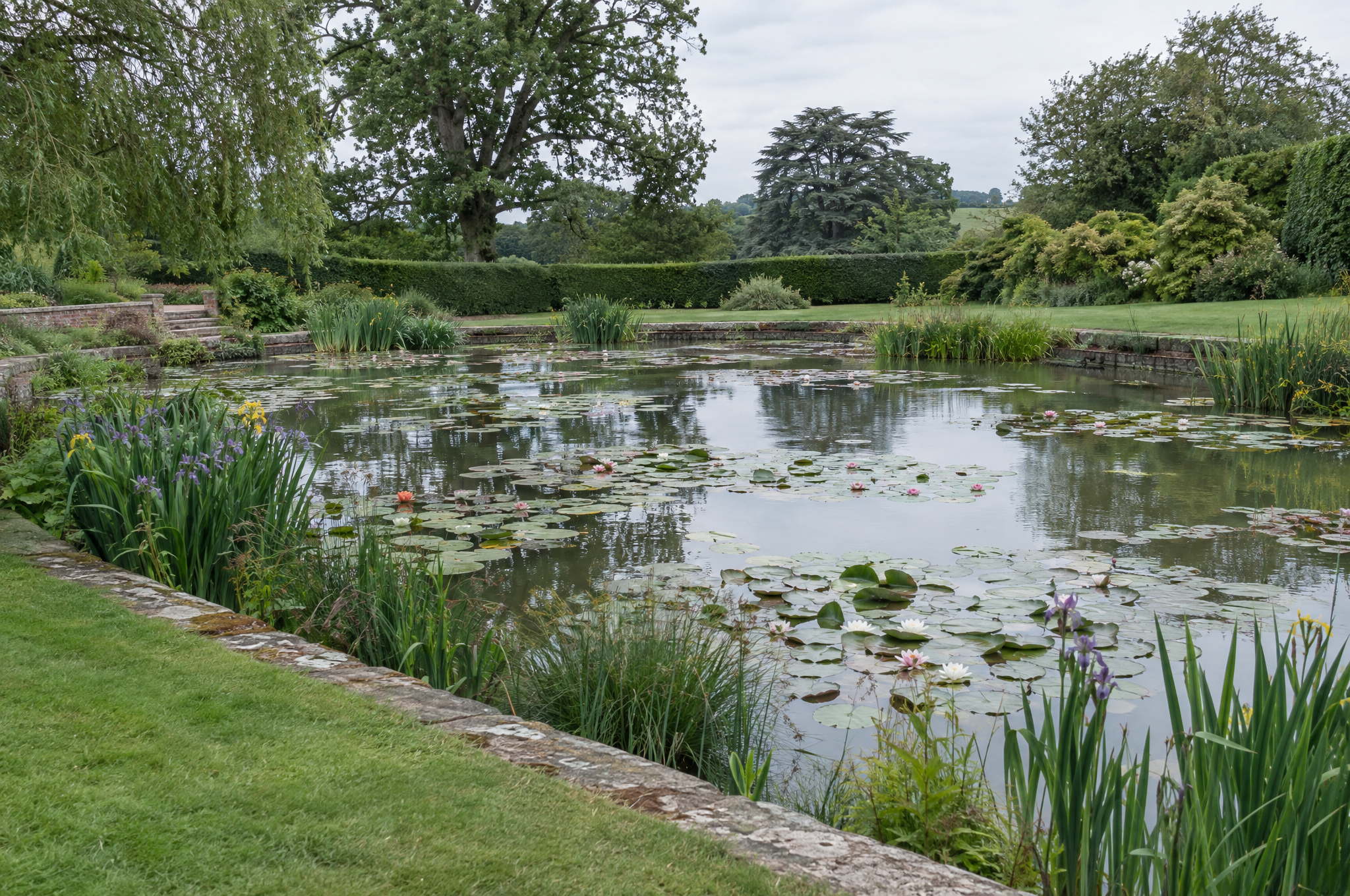
Pond MaintenanceRoutine pond care and pond cleaning, koi welfare, filter and pump checks, planting work and wildlife safe treatment.
WASH
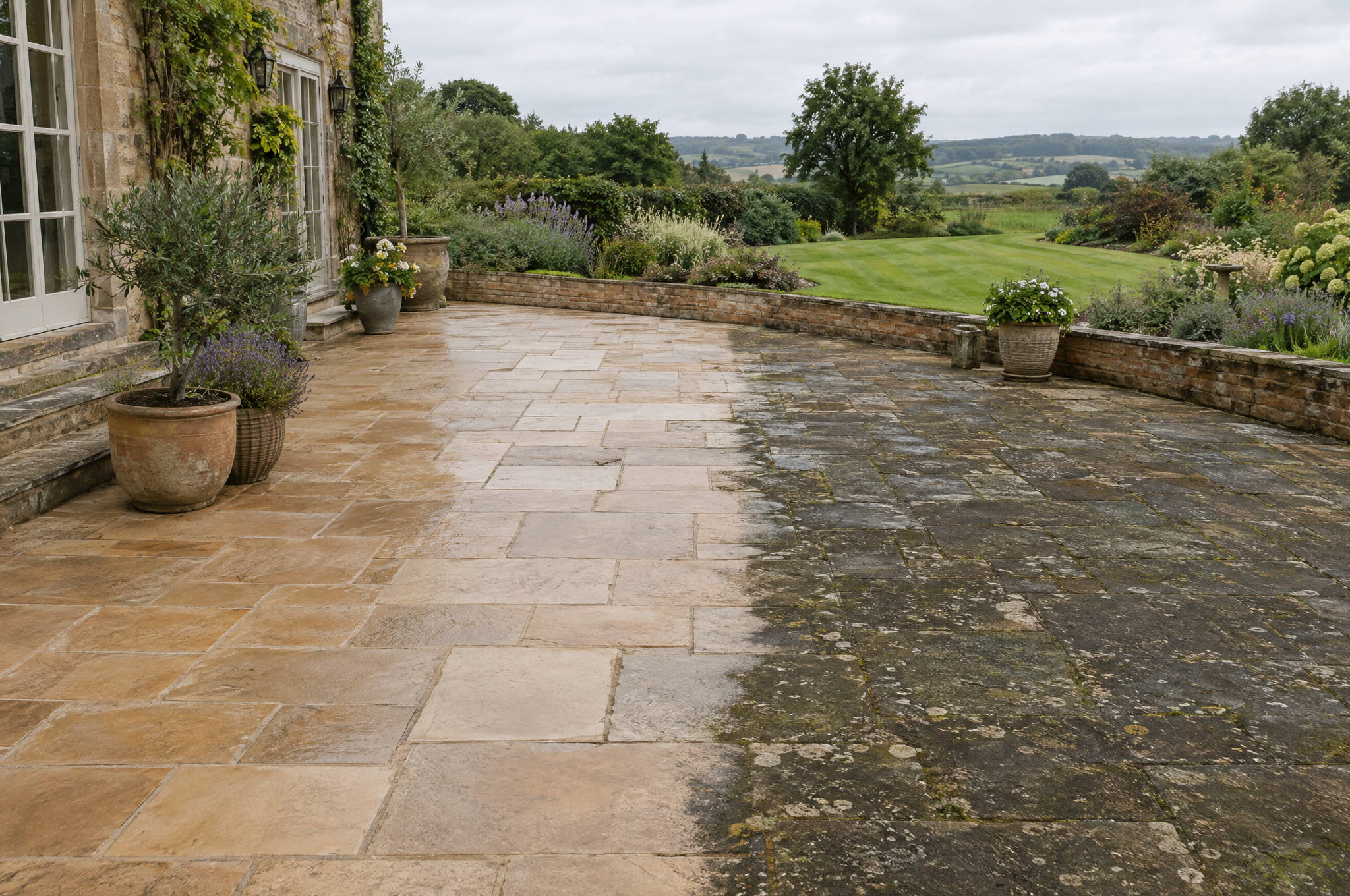
Jet WashingCareful jet washing of patios, paths, driveways and stonework, with the pressure matched to the surface.
Enquiries are read in person, by Elliott. A few lines about the garden, the kind of work you have in mind and roughly where you are in Suffolk is all we need to start. Where it makes sense, we will arrange a quiet visit to look round the garden and talk it through.