Even cuts and careful shaping for boundary hedges, formal yew, beech, hornbeam, hawthorn and feature shrubs.
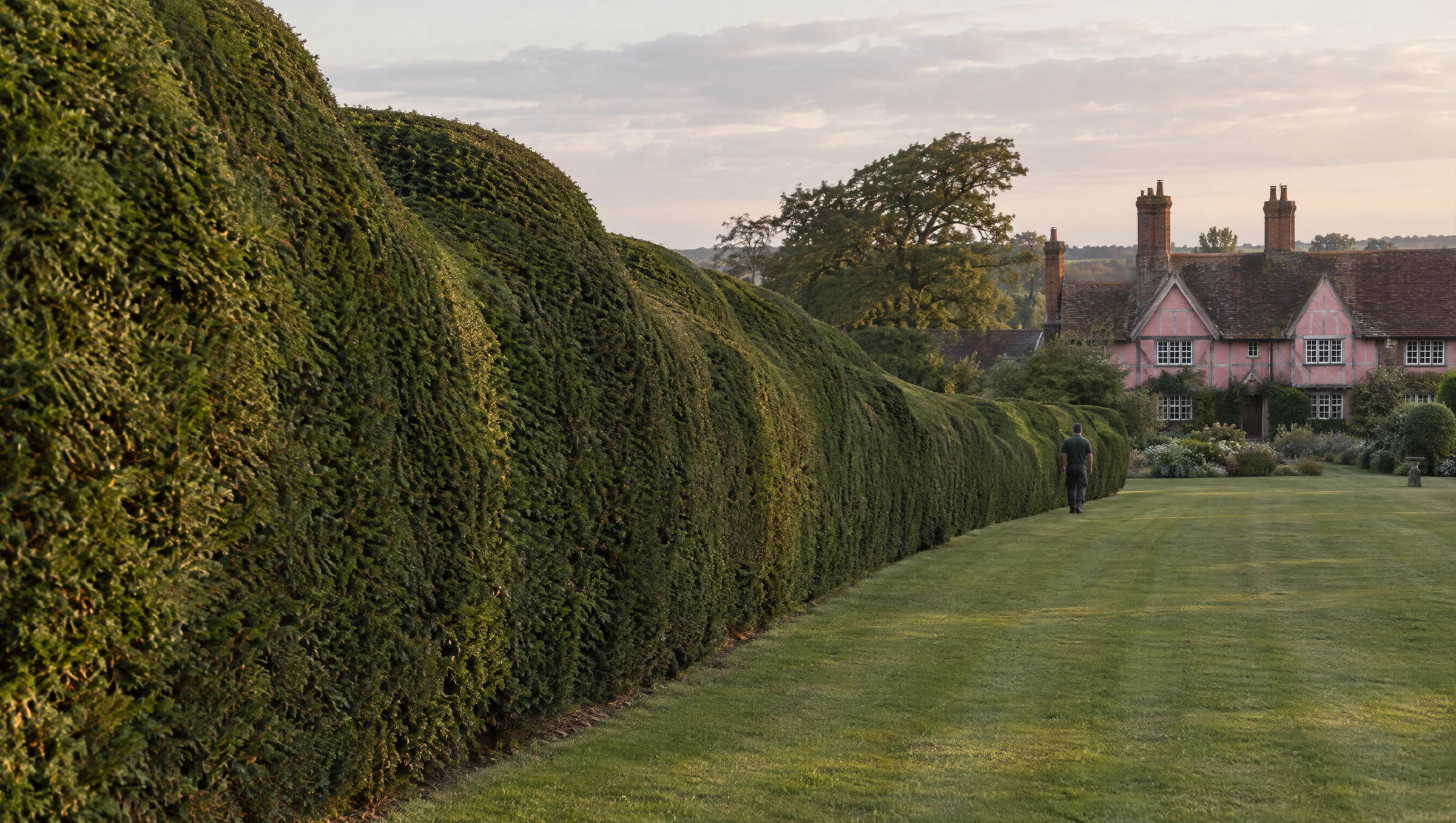
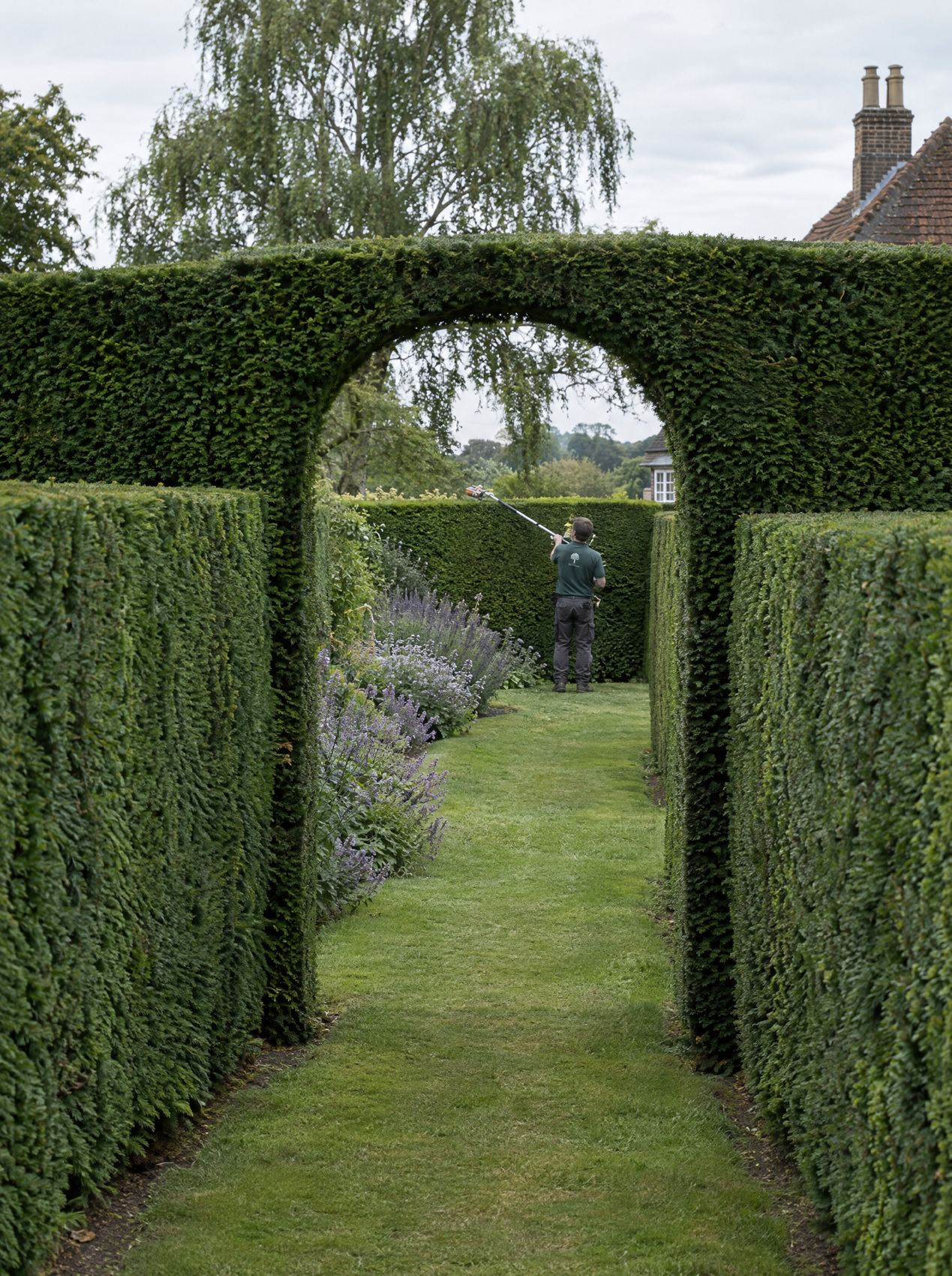
Hedge trimming covers the full range of garden hedges, from long boundary runs of native mixed hedging to formal yew and box, ornamental topiary, beech and hornbeam screens, and feature shrubs that earn a careful annual cut. Tall hedges are tackled with a platform ladder and a second pair of hands where the height calls for it.
Whatever the hedge, every clipping is gathered onto a tarpaulin as the work goes on, paths and beds are swept clear afterwards, and all green waste is taken away. The hedge is left with a clean line and the rest of the garden with no sign of the visit.
Shape is what separates a hedge that holds its form for twenty years from one that goes bare at the bottom in five. Every face is cut with a slight batter, a little wider at the base than at the top, so light still reaches the lower growth and so snow and wind slide off the crown instead of splaying it open. A hedge cut dead square, or worse, allowed to grow wider at the top than the base, thins from the ground upwards and takes several seasons of patient work to bring back.
On a long run, the line is set before the trimmer starts. The eye follows the top of a hedge right across a garden, and a wavering line is the first thing anyone notices from the house. Tops are cut to that line, faces are taken evenly to match, and blades are kept sharp so growth is cut rather than ripped. Torn stubs go brown and sit there in plain view for weeks.
Hedge cutting in Suffolk covers a wider range of hedges than most counties ask for. Long native boundary runs on the edge of arable land. Beech and hornbeam screens planted to take the wind off an exposed garden. Clipped yew around a formal lawn, box edging to a parterre, laurel and privet doing the ordinary work of separating one garden from the next. Feature shrubs and topiary that want a careful annual cut rather than a trim. Each of these wants a different blade, a different height and a different month.
Height is the practical constraint on most jobs. Anything that can be cut safely from the ground or a platform ladder is straightforward. Taller runs are worked with a second pair of hands, a proper platform and long reach trimmers, and the top is cut to a line rather than to whatever the ladder happens to reach, because a hedge cut to the ladder shows it from every window in the house. Where a hedge has genuinely outgrown safe access, that is said plainly and planned as its own job rather than attempted from an awkward position.
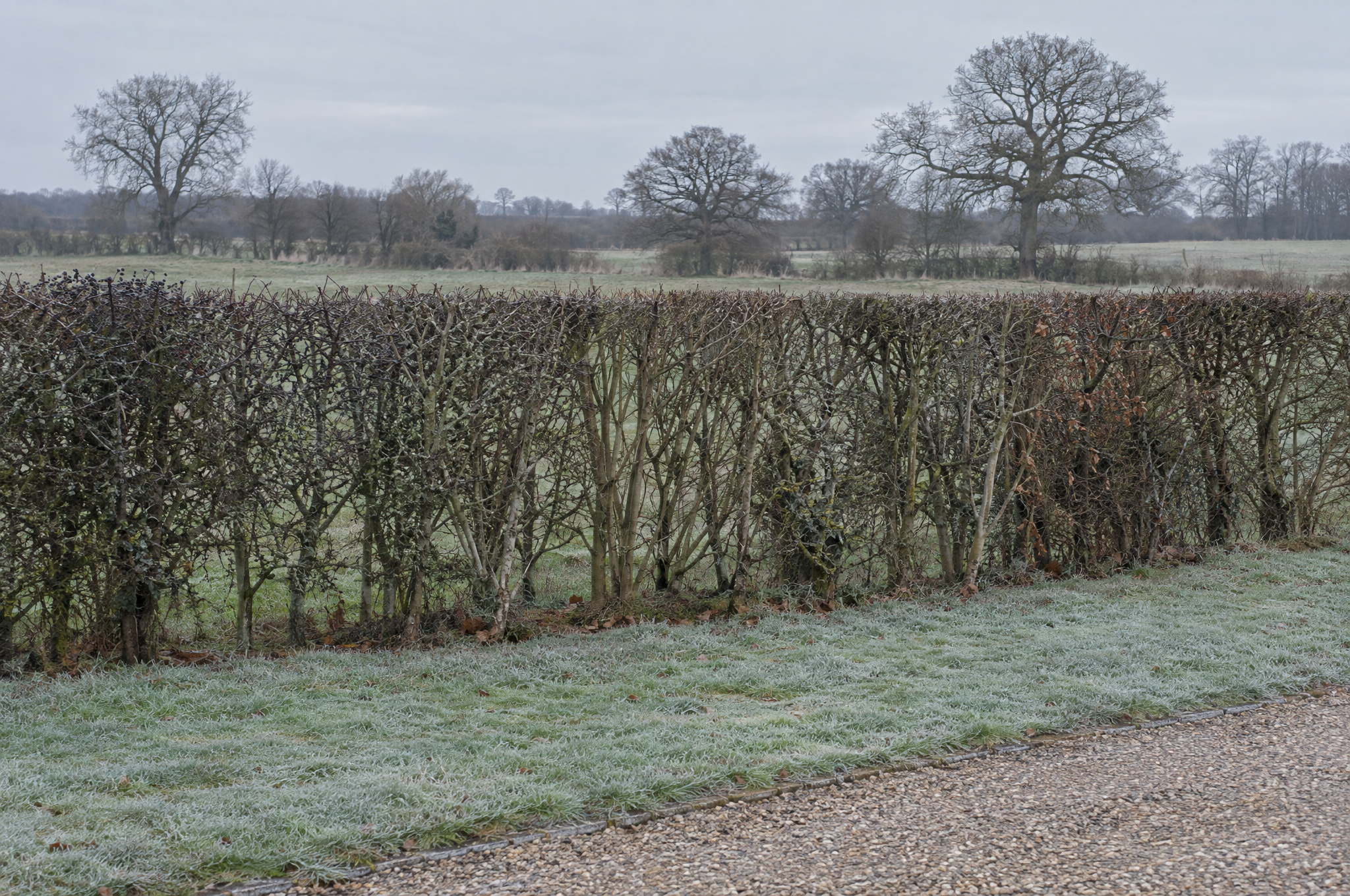
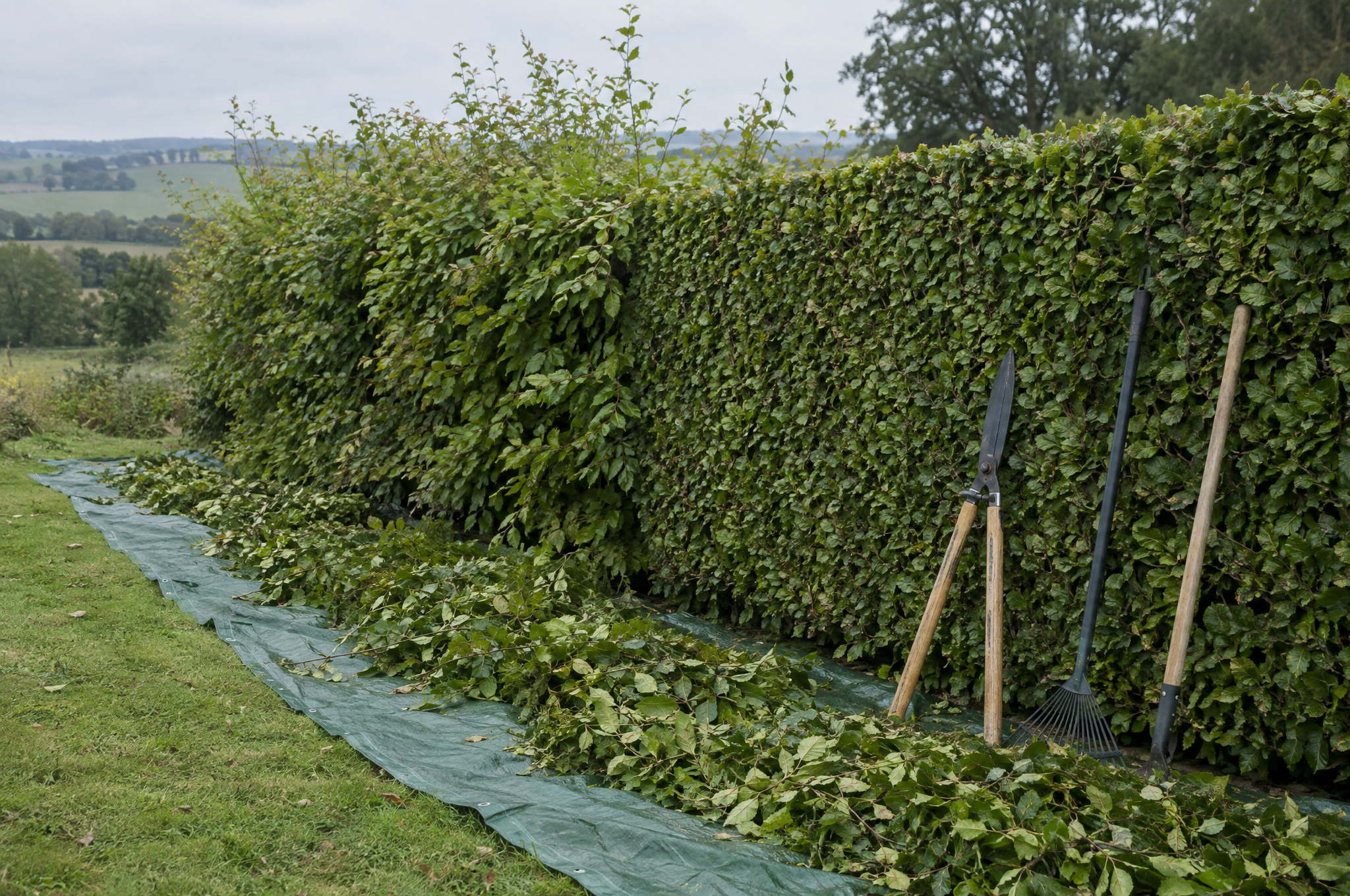
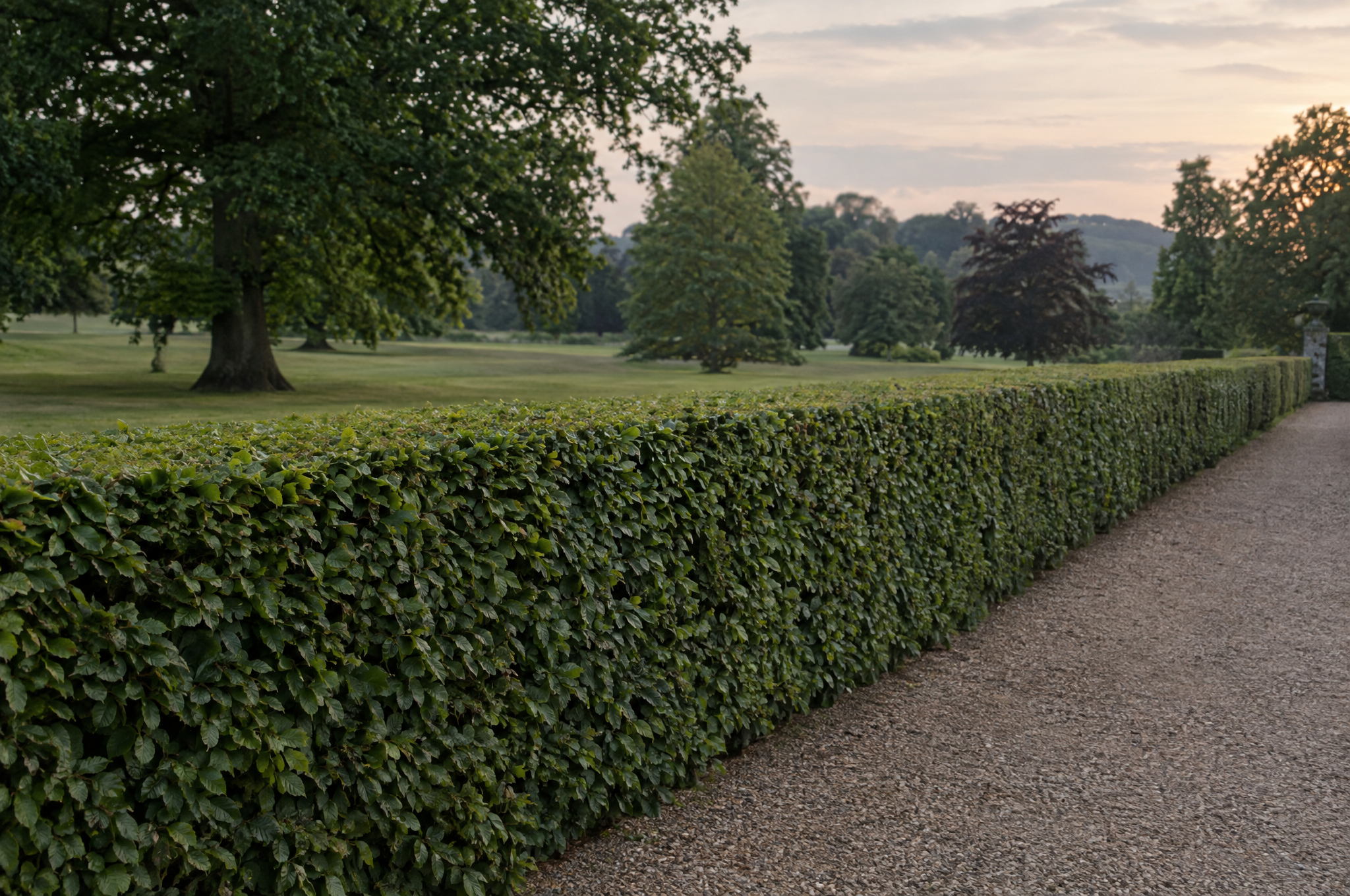
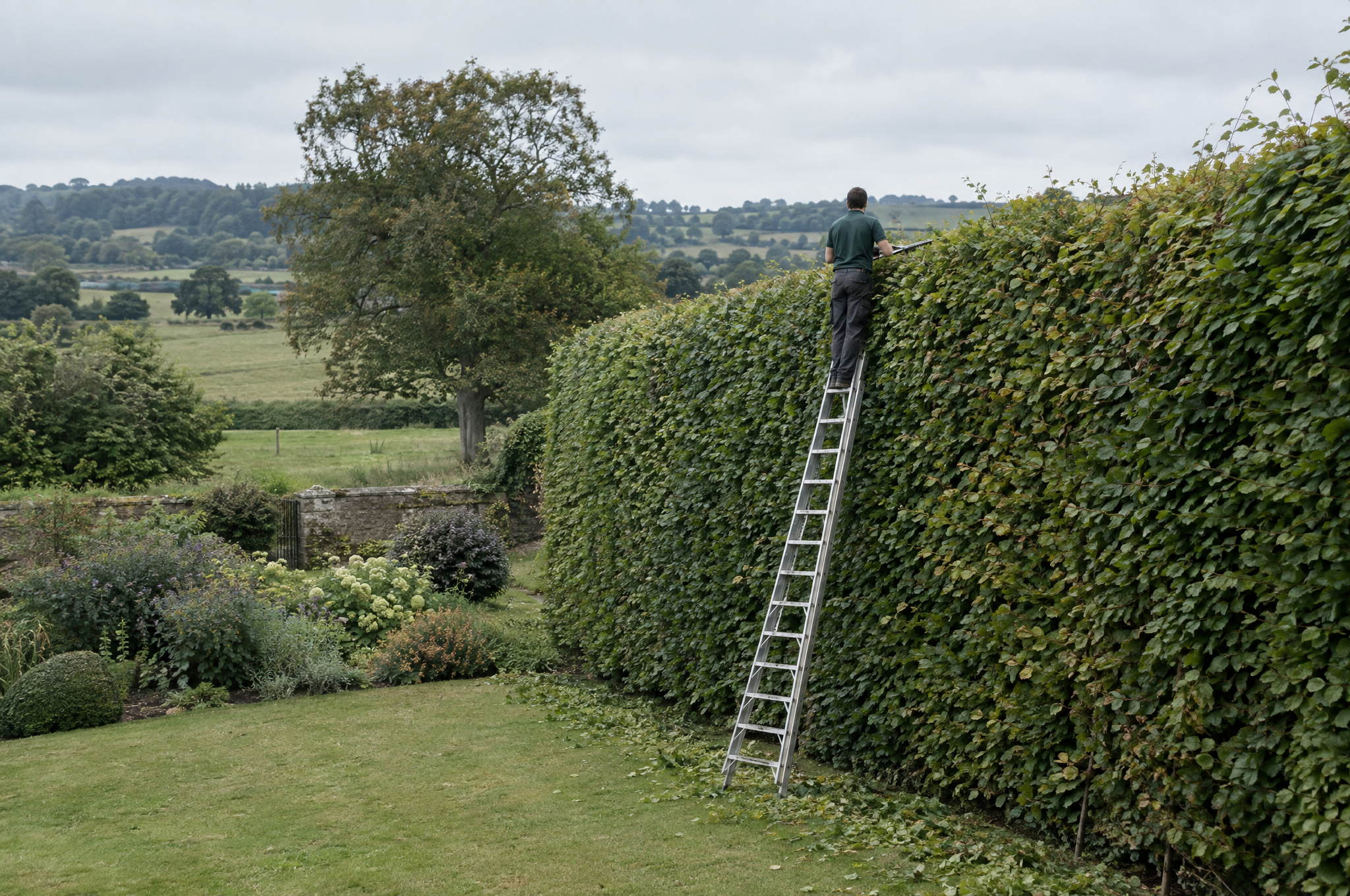
Different hedges want different cuts. Beech and hornbeam, popular boundary hedges across Suffolk, want two cuts a year. One in early summer once the new growth has hardened off, and one in late summer to set the hedge tight for autumn and winter. Cut them too early and you prompt a flush of soft growth that browns off in the first frost; cut them too late and they carry a ragged edge through to spring. Yew, the classic estate hedge, wants a single careful cut a year, usually in late summer. It is slow growing but forgiving of harder cutting back when needed.
Box wants a single annual cut to keep its tightness. Privet is happy with two or three cuts depending on how manicured you want it. Mixed native hedges of hawthorn, blackthorn and field maple are usually fine with a single late summer cut, timed deliberately around the bird nesting season, which runs from March to September. Damaging an active nest is an offence whatever the date, so hedges are checked for active nests before any cut inside that window and the work is simply left where a nest is found.
Conifers need more care than anything else on the list. Yew is the exception that breaks back from old wood, which is why a neglected yew hedge can be taken back hard over a couple of seasons and will recover. Leyland cypress, thuja and most other conifers will not. Cut into the brown and it stays brown, so the sides are maintained at the line they already hold, and any genuine reduction is planned across two or three years, one side at a time, with water and feed afterwards to help it respond.
Box has its own troubles. Blight spreads in warm humid weather and travels on blades and clippings, so box is cut in dry settled conditions, tools are cleaned between hedges, and clippings are lifted rather than left to sit around the base. Where box tree caterpillar has already stripped a hedge, it is usually worth an honest conversation about replacing it with something like ilex crenata rather than cutting the same skeleton back year after year and hoping.
Laurel deserves its own note, since it is everywhere in Suffolk gardens and is very often cut badly. A powered trimmer through a cherry laurel leaves half cut leaves that brown at the edge and sit there looking burnt for weeks. On a formal laurel hedge where the finish matters, the cut is made with secateurs through the stems instead, which takes considerably longer and looks right within days rather than months. On a rough boundary run where nobody is inspecting it at close range, the trimmer is the sensible answer and there is no point pretending otherwise.
Waste from hedge cutting is usually the largest part of the job by volume, and it is planned before the first cut rather than discovered at the end. Clippings come down onto tarpaulins as the work goes, so nothing is left to rot down into the border or the gravel underneath. Where there is room, woody material is chipped on site and soft growth composted, which keeps both the cost and the lorry movements down. Anything leaving the garden goes with us. A long run of leylandii can produce a startling amount of green waste, and it is better for everyone if the scale of that is understood at the quote rather than on the day.
Most hedge cutting is booked once or twice a year, scheduled to suit the species and the time of year. Plenty of clients book both visits at the start of the year so the dates are fixed in the diary. One off cuts are also taken on, particularly for clients restoring an overgrown hedge or wanting a one off shape up before a garden event. Quotes are given clearly in writing in advance.
Where the cut falls in the year is worth planning properly. Renovation work, where a deciduous hedge is taken back hard into old wood, belongs in the dormant months of January and February, before nesting begins and while the structure of the hedge can actually be seen. Evergreens that need reducing do better cut in mid spring, when they still have a full season to put growth back on. Routine trims sit in early and late summer, and it is the late summer cut on beech and hornbeam that sets a hedge tight and holds that russet winter leaf through to March.
Every visit ends the same way. Clippings tarped and taken, cuttings shaken out of the gravel and the border underneath, paths swept, ladders and cables away, and the hedge left on a clean line from both sides rather than just the one you look at from the house. Where a cut needs access from a neighbour's side, that is agreed before the day rather than sorted out over the fence on the morning.
Two visits a year suit most formal hedges and one suits most native boundary runs, but the useful question is which months rather than how many. A beech hedge cut once in July looks tidy for August and ragged from October. The same hedge cut in June and again in late August holds a clean face and its russet winter leaf right through to March. Which months the two cuts fall in is therefore worth more thought than how many there are.
Hedge work rarely arrives on its own. An overgrown boundary usually comes with a border that has gone the same way, in which case the hedge is one part of a wider garden clearance and is better priced and sequenced as such. Where a garden is already looked after regularly, routine sides and manageable trims can sit inside a garden care round at the right point in the season, which removes the annual question of when to book the hedge entirely.
A hedge is rarely the only thing a garden needs, and it almost never wants cutting at a convenient moment. The cut has to sit sensibly alongside the spring border work, the mowing, the leaf clearance and whatever else the year is asking for, and remembering which hedge wants which cut in which month is the awkward part for anyone keeping track of it themselves.
For clients who would rather not, Four Seasons Garden Care is our ongoing garden care programme, and hedges become one line item within an agreed year. Routine sides and manageable trims are planned into the scheduled visits at the right point in the season. Major reductions, topping and renovation work stay what they are, separate jobs with their own equipment, labour and waste, quoted on their own and booked for the month that suits the hedge rather than the first free Saturday.

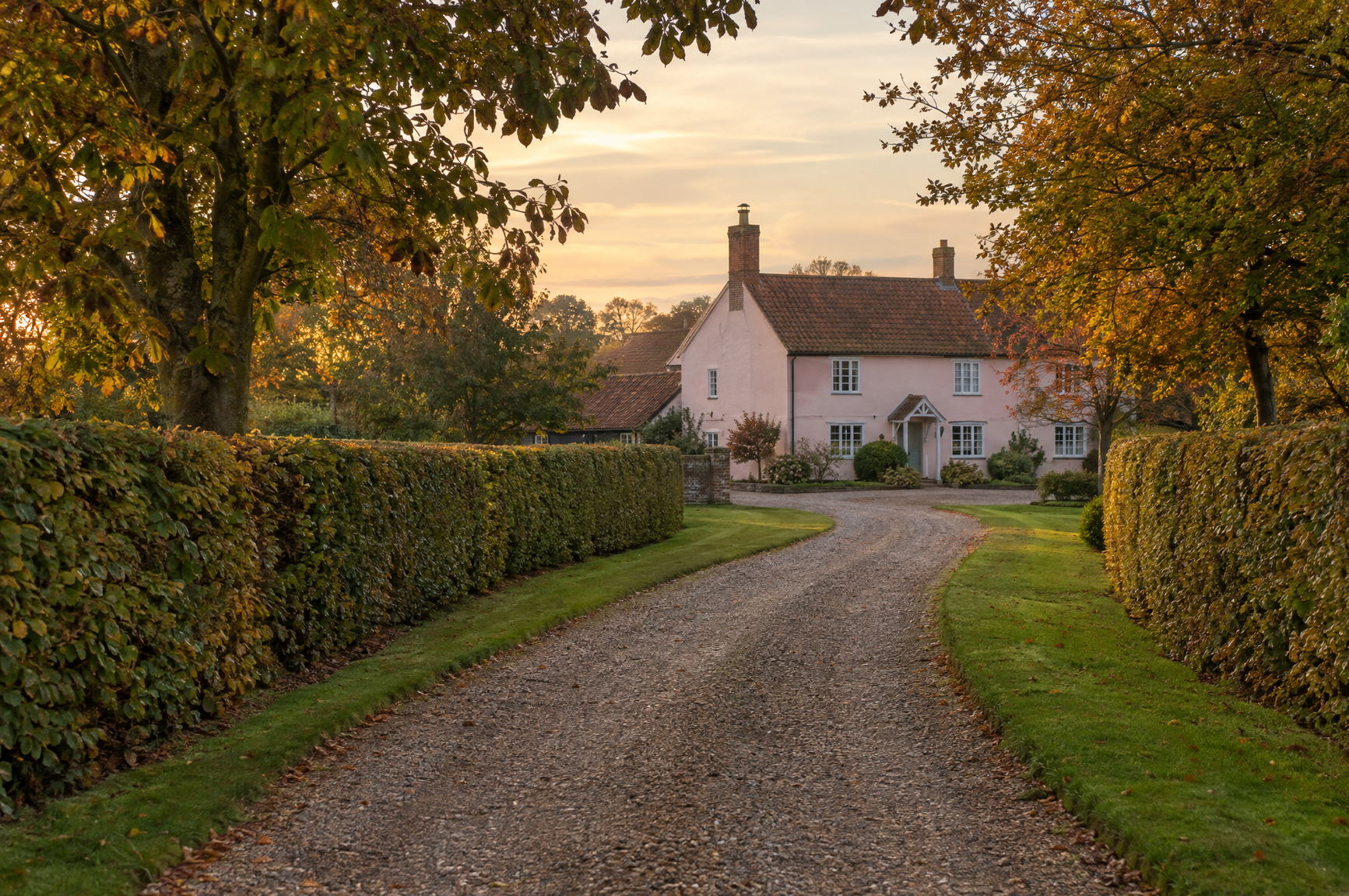
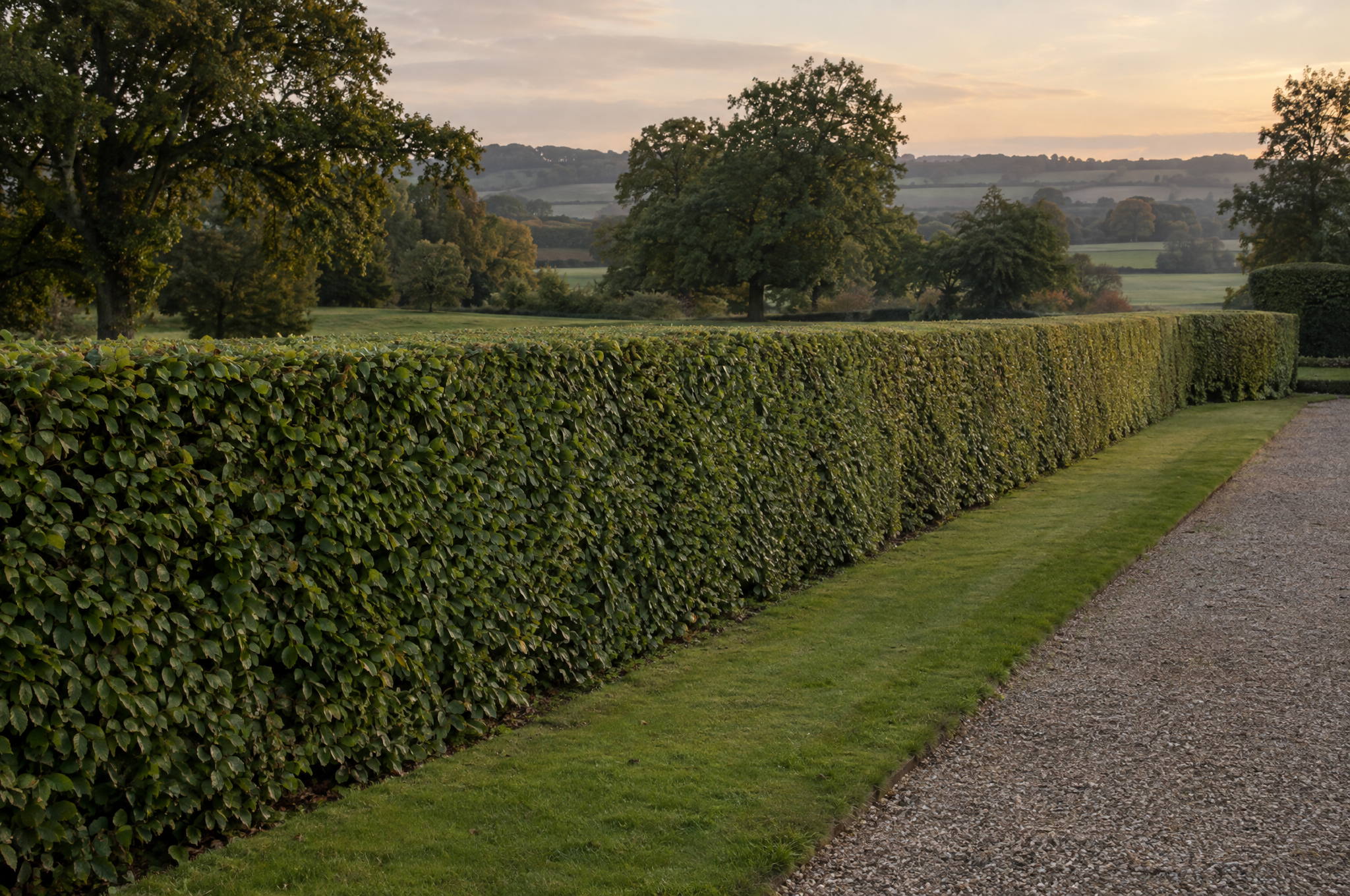
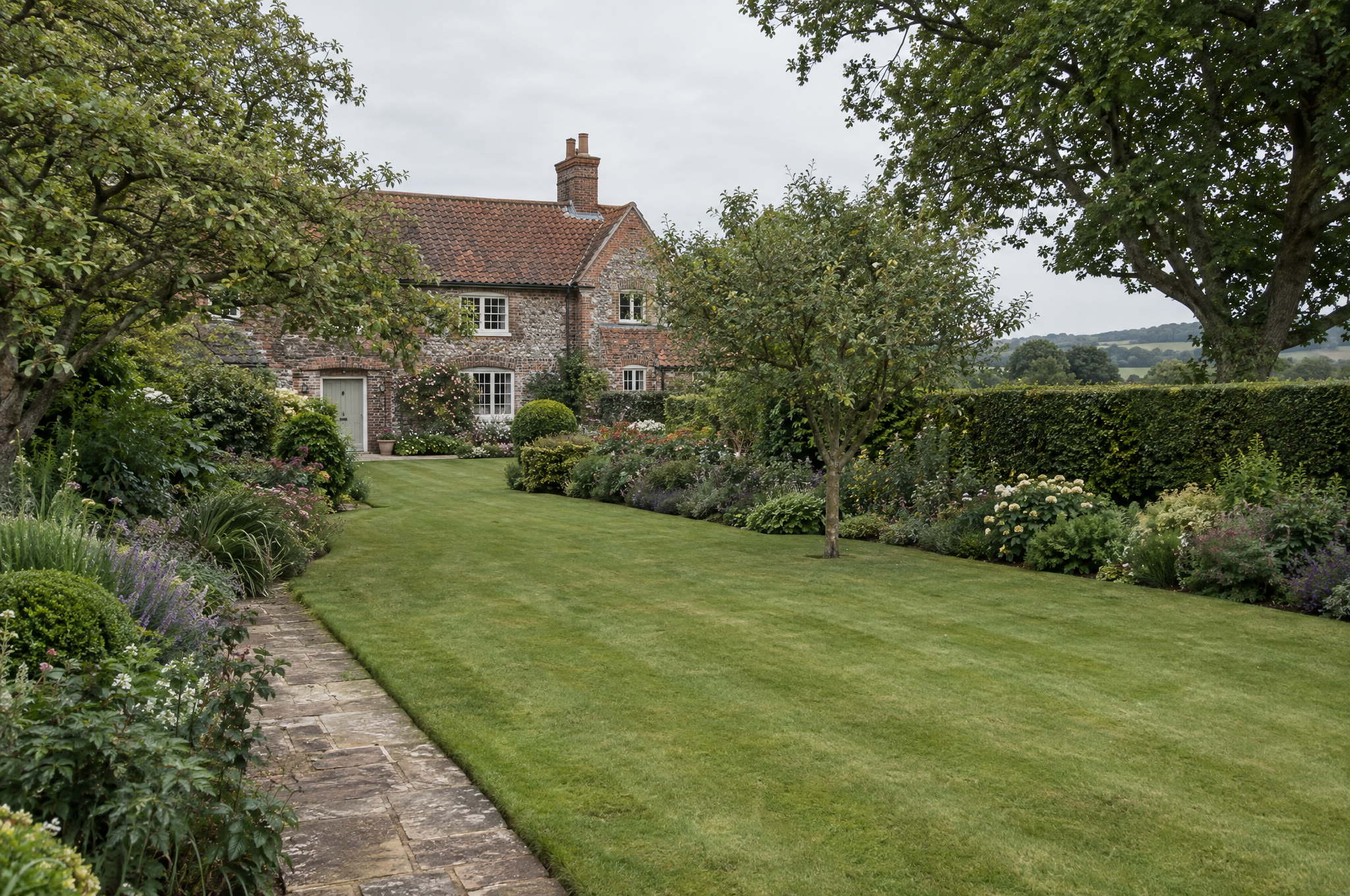
Suffolk Garden Maintenance covers the wider set of jobs that keep a country garden in good order through the year. Regular lawn cuts and crisp edging, careful weeding and considered pruning, seasonal tidy ups, the occasional one off restoration of an overgrown plot, pond cleaning and treatment, and jet washing of patios and paths.
CARE
Garden CareA regular garden care round looking after the whole garden, with grass cutting, edges and beds kept calmly in good order season after season.
CUT
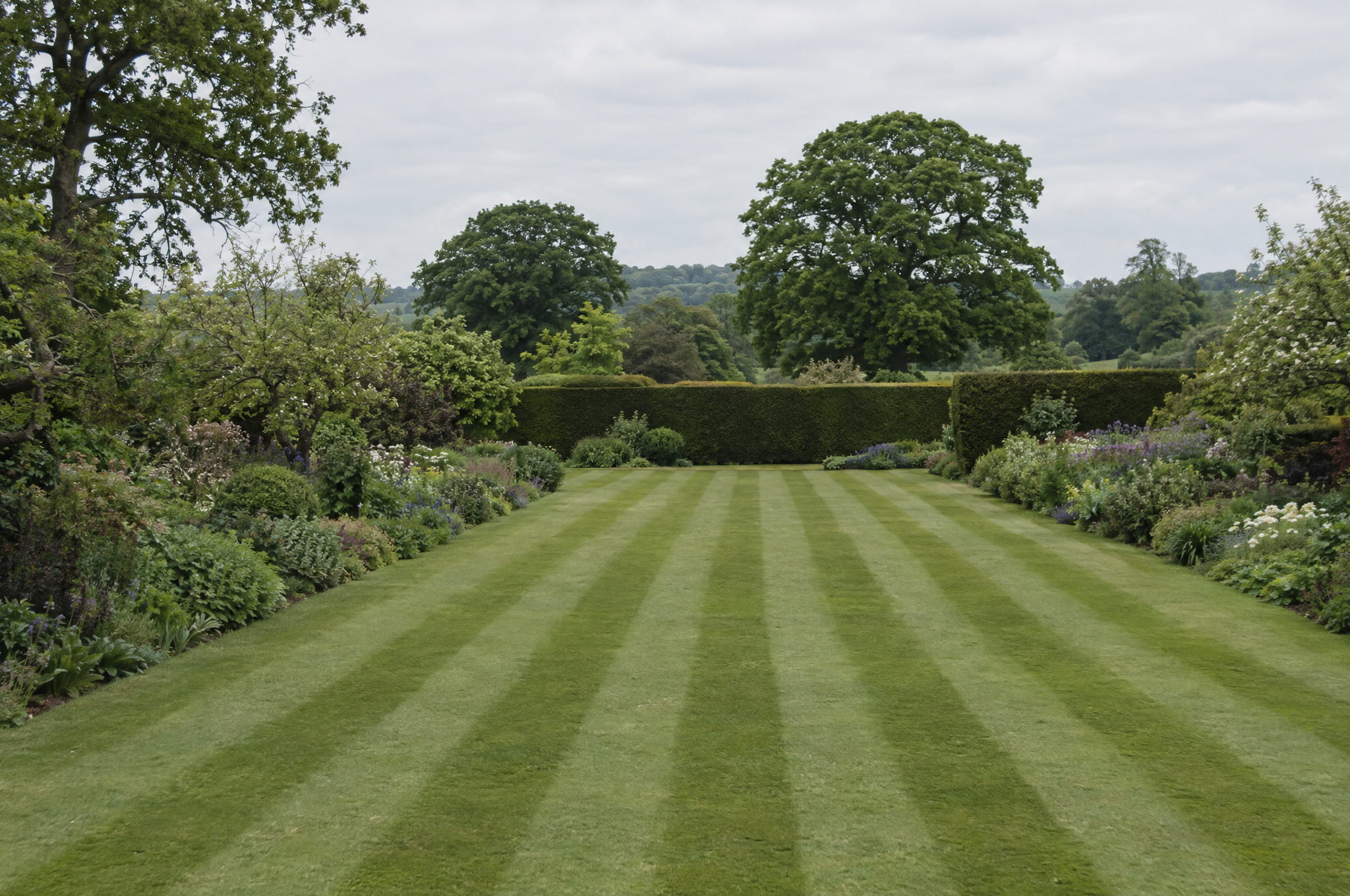
Lawn CutsWeekly and fortnightly mowing rounds on a fixed day, with crisp edges, even stripes and every clipping cleared.
PRUNE
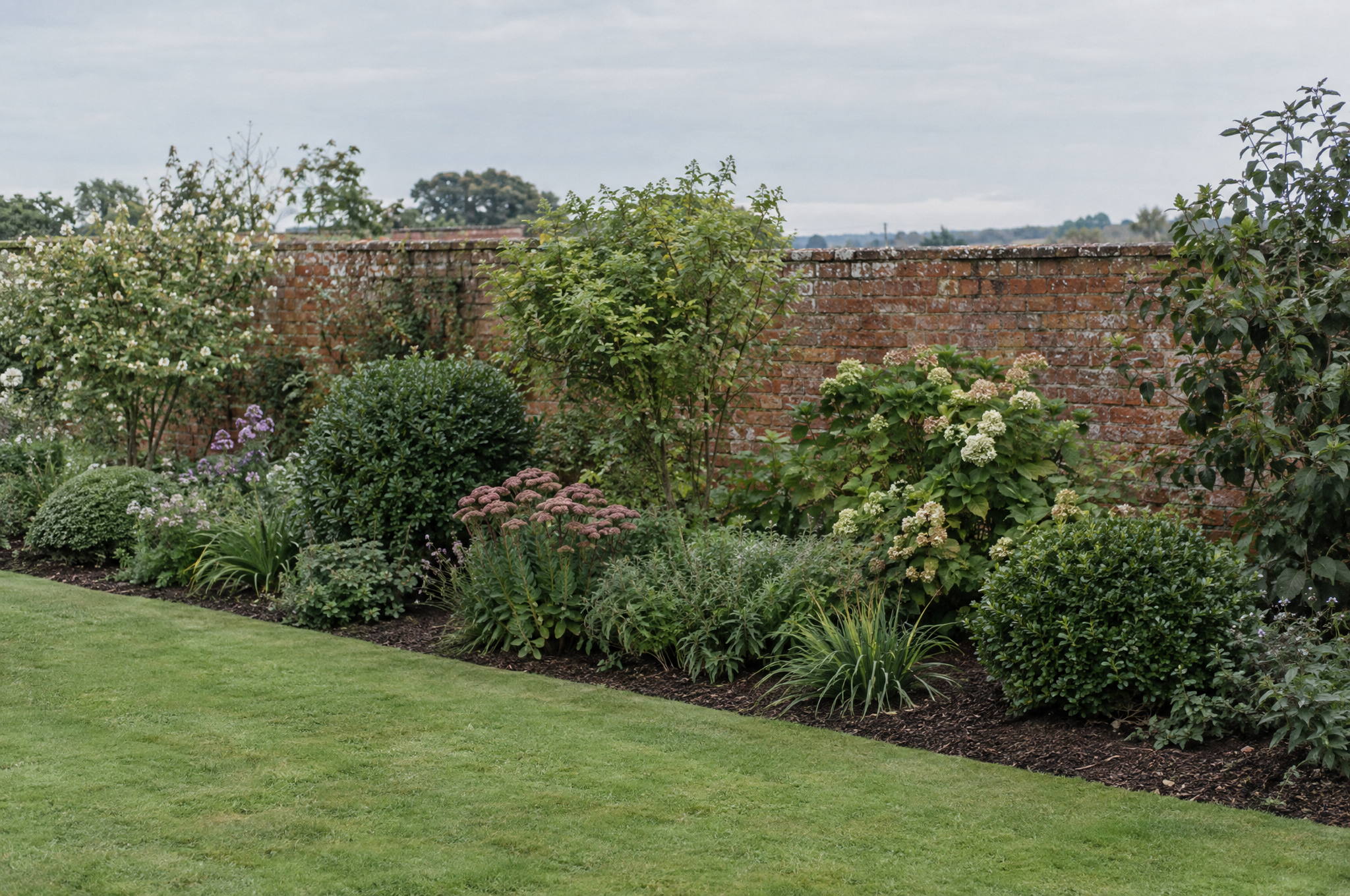
Weeding and PruningConsidered pruning of shrubs, roses, climbers and small trees, with beds, gravel and paving kept clean.
CLEAR
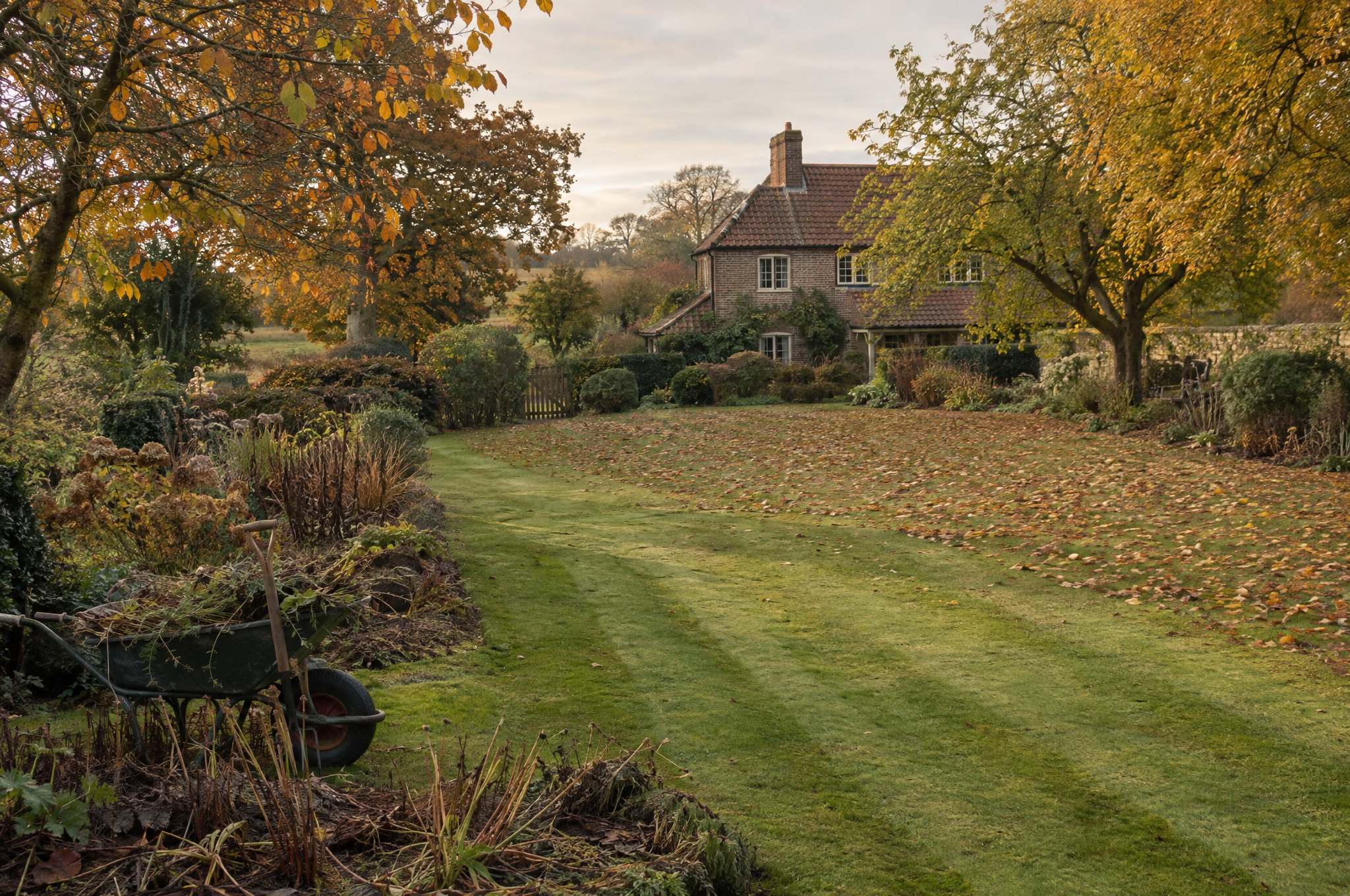
Seasonal Tidy UpsSpring resets, a midsummer garden tidy up and a pre winter tuck up for gardens that do not need a full round.
RESTORE
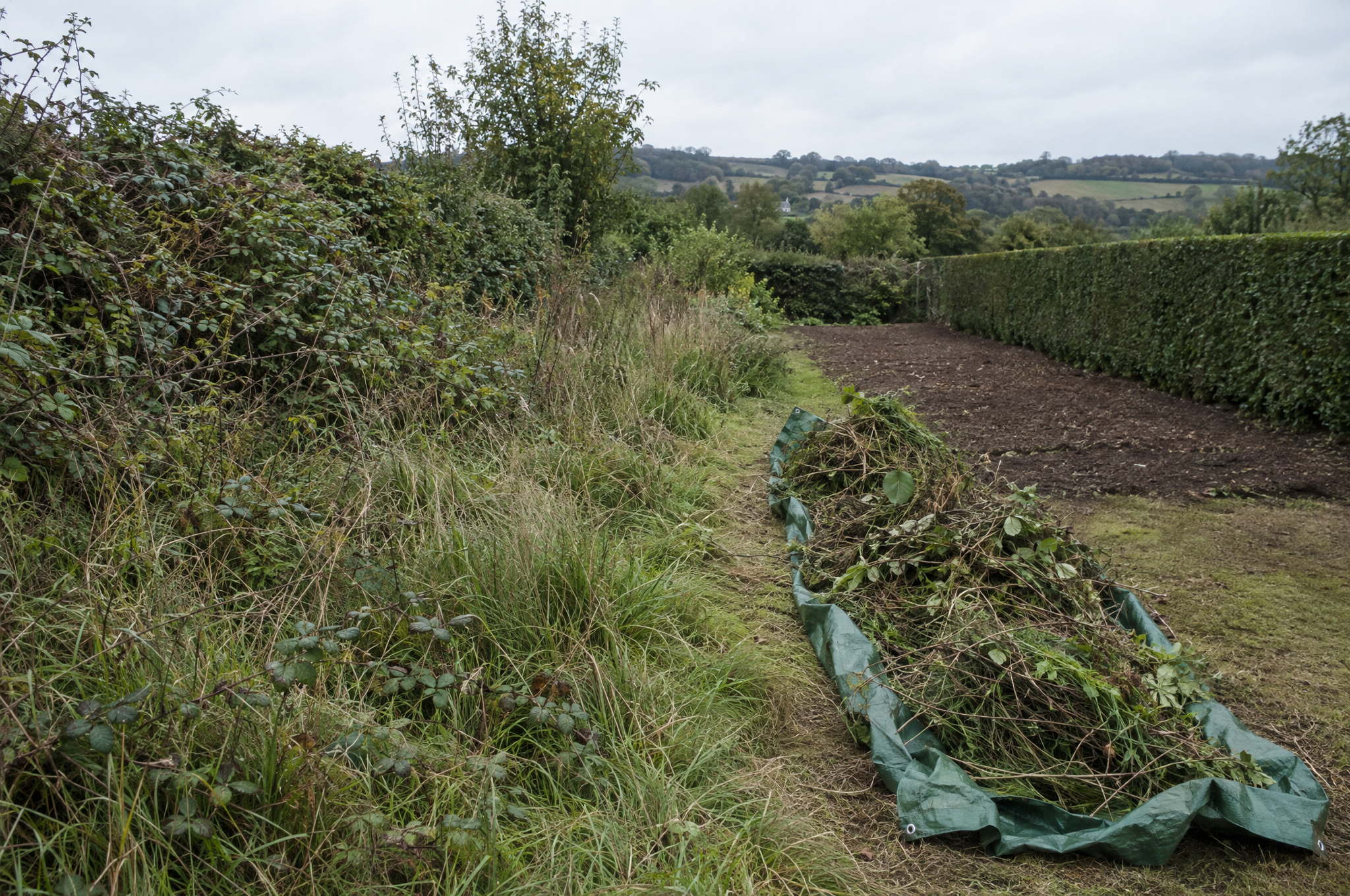
Garden Clean UpsOne off garden clearance and restoration of overgrown gardens, brought back into good order calmly and at your pace.

TEND
Pond MaintenanceRoutine pond care and pond cleaning, koi welfare, filter and pump checks, planting work and wildlife safe treatment.
WASH
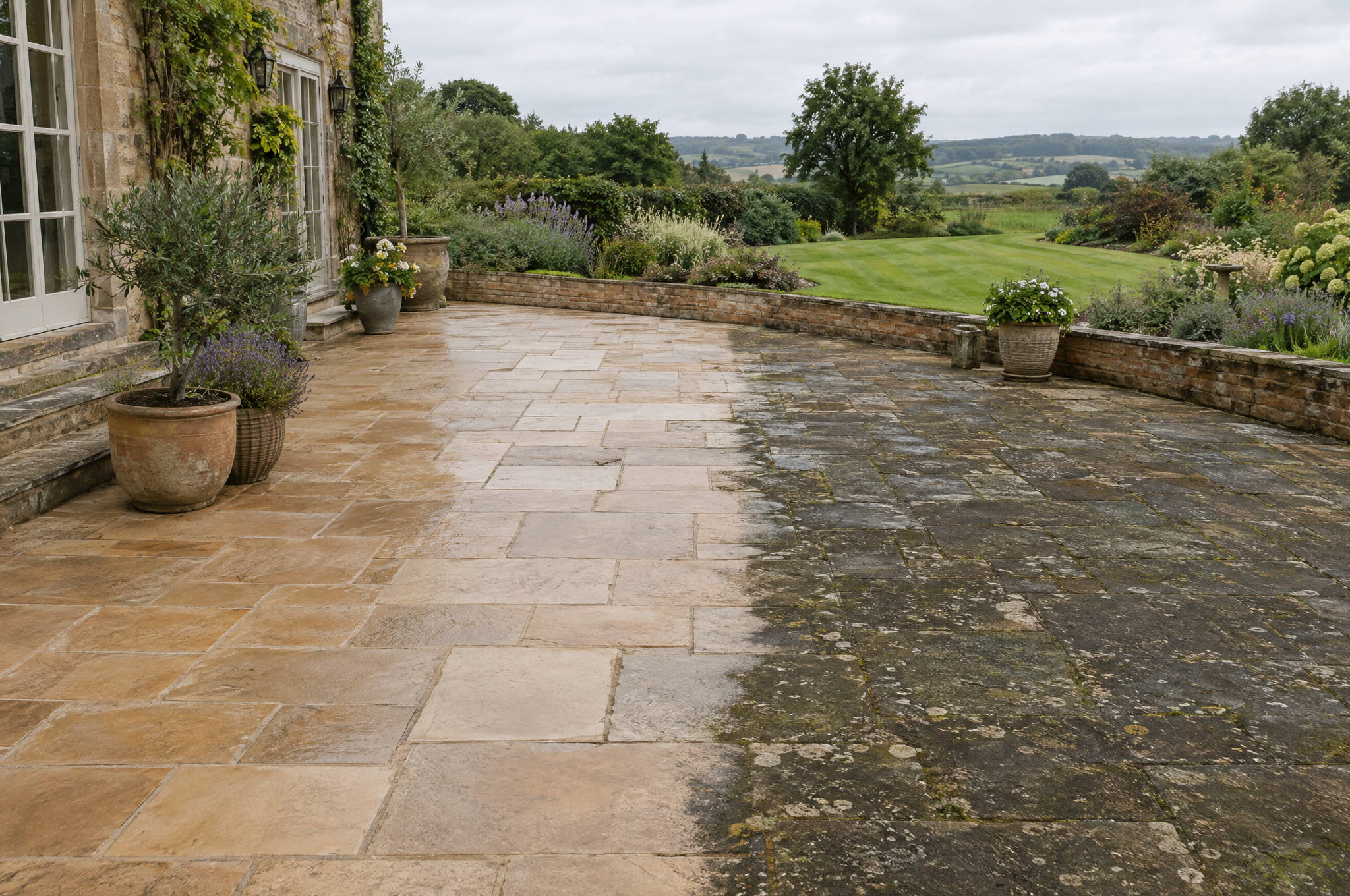
Jet WashingCareful jet washing of patios, paths, driveways and stonework, with the pressure matched to the surface.
Enquiries are read in person, by Elliott. A few lines about the garden, the kind of work you have in mind and roughly where you are in Suffolk is all we need to start. Where it makes sense, we will arrange a quiet visit to look round the garden and talk it through.