Spring resets, a midsummer garden tidy up and a pre winter tuck up for gardens that do not need a full round.

Seasonal Tidy Ups are designed for clients who do not need a full Garden Care round but want their garden brought back into proper order at the points in the year that matter. The work is sensible rather than checklist driven. Each visit is timed around what the garden actually needs that month, rather than a fixed list, and the job is finished cleanly.
A typical tidy covers leaf clearing, perennial cut backs, edge work where the lawn has crept, weeding of beds and gravel, light pruning of shrubs that have flowered, refreshing borders and stripping back the spent growth of the previous season. All clippings and waste are cleared and taken away as standard.
What gets left behind matters as much as what gets cleared. Seed heads and hollow stems carry overwintering insects and feed birds right through the cold months, so a border is not stripped bare in October simply because bare looks tidy on the day. Sedum, ornamental grasses, teasel and hydrangea heads stay where they hold their shape and catch the frost, and the harder cut back waits until late winter, when it does less damage and rather more good.
A seasonal garden tidy up suits a particular kind of garden and it is worth recognising whether yours is one. Gardens that are broadly in shape but drift out of it between visits. Second homes and holiday lets that need to look right for arrivals rather than every week. Gardens belonging to people who enjoy doing most of it themselves and would rather hand over the heavy turn of the season work. Smaller plots where a weekly round would be more than the garden could usefully absorb. In all of these a few well timed visits do more than a thin regular presence would.
Each visit is quoted and scheduled as its own job, which means there is no ongoing commitment and no minimum. Most gardens take a single visit of a few hours; larger or longer neglected ones are given two consecutive days so the work is finished properly rather than abandoned halfway. All green waste leaves with us as standard unless there is a compost area you would rather it went to, which for a larger garden is often the better answer for both cost and soil.



Spring reset. Booked from late February to early April, depending on the weather. The work clears the winter, lifts dead growth, opens up beds before the new perennial growth is tall enough to be damaged, redraws lawn edges that have softened over the wet months and gets a mulch down once the ground has warmed rather than while it is still cold and sodden. Deciduous grasses such as miscanthus and calamagrostis are cut hard to the base before they start moving; evergreen grasses are combed through by hand instead, since they resent being cut.
Midsummer tidy. Booked through July, which is when most gardens look tired for the first time. Early perennials are cut back to draw a second flush out of them, shrubs and hedges that have finished flowering take their trim, the weeds that ran up through June come out before they seed, and the borders are put back into shape for the part of the summer people actually spend sitting in the garden.
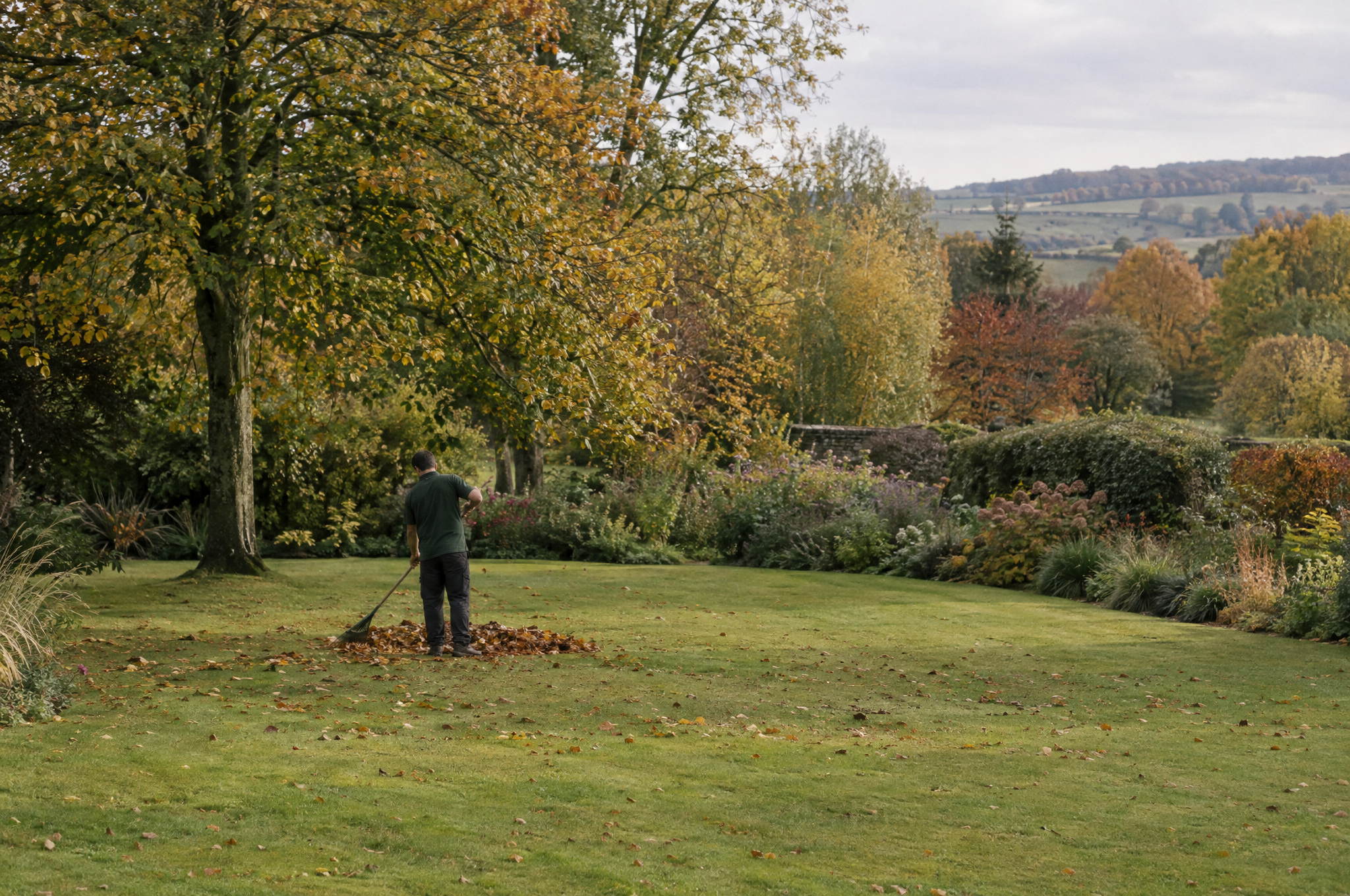
Autumn clear and pre winter tuck up. Booked from October through to early December. Fallen leaves lifted off lawns, where a wet mat will kill grass within weeks, and off paving and steps, where rotting leaf is genuinely dangerous underfoot, while leaves that have blown under hedges and into the backs of beds are left where they do good. Perennials cut back where they want it, bed edges refreshed, paving and stonework cleared, stakes and ties checked before the autumn gales come in off the North Sea, pots lifted onto feet and outside taps drained. Perennials that hold their structure through the winter (sedum, ornamental grasses, hydrangea heads) are left where they earn it, and tender growth on penstemon, salvia and fuchsia is left alone until spring because the old top growth is what protects the crown through a hard frost.
Underneath the three visits there is one principle worth stating, because it explains most of the decisions made on the day. Tidy is not the same as bare. A border cut flat to the soil in October looks immaculate for a fortnight and then looks like nothing at all for five months, while giving up the seed heads that feed goldfinches and the hollow stems that overwintering insects are sitting inside. The work aims at a garden that reads as cared for in every month of the year, which sometimes means leaving standing growth that an unthinking tidy would have taken out.
Timing also has to bend to the weather rather than the diary, and in Suffolk that mostly means the ground. A spring reset booked for late February is better pushed to mid March than carried out across sodden clay, where the damage done by walking a wet border outlasts the benefit of the visit. An autumn clear is worth delaying a fortnight if the leaves are still coming down, since clearing before the trees have finished simply means doing it twice. Dates are held loosely enough to allow for this and you are told when something is being moved and why.
Most Seasonal Tidy Ups are booked a few weeks in advance, particularly in spring and autumn when the round is busiest. Each visit is quoted in writing in advance, sized to the garden and the time of year. Plenty of clients book all three visits at the start of the year so the dates are fixed in the diary, others prefer to book one at a time as the seasons come round.
When a visit falls also gets a say in what happens on it. Bulb planting sits naturally within the autumn tidy, with daffodils going in through September and October and tulips left until November once the ground has cooled, so the work is done while someone is already in the garden with a spade and a barrow rather than as an errand of its own.
The spring and autumn slots are the ones that fill first, and the right fortnight for each is narrower than people expect, which is why booking the year in one go tends to work better than booking each visit as it arrives. Either way the scope of a visit is set out with the quote, so there is no question afterwards about what it was going to include.
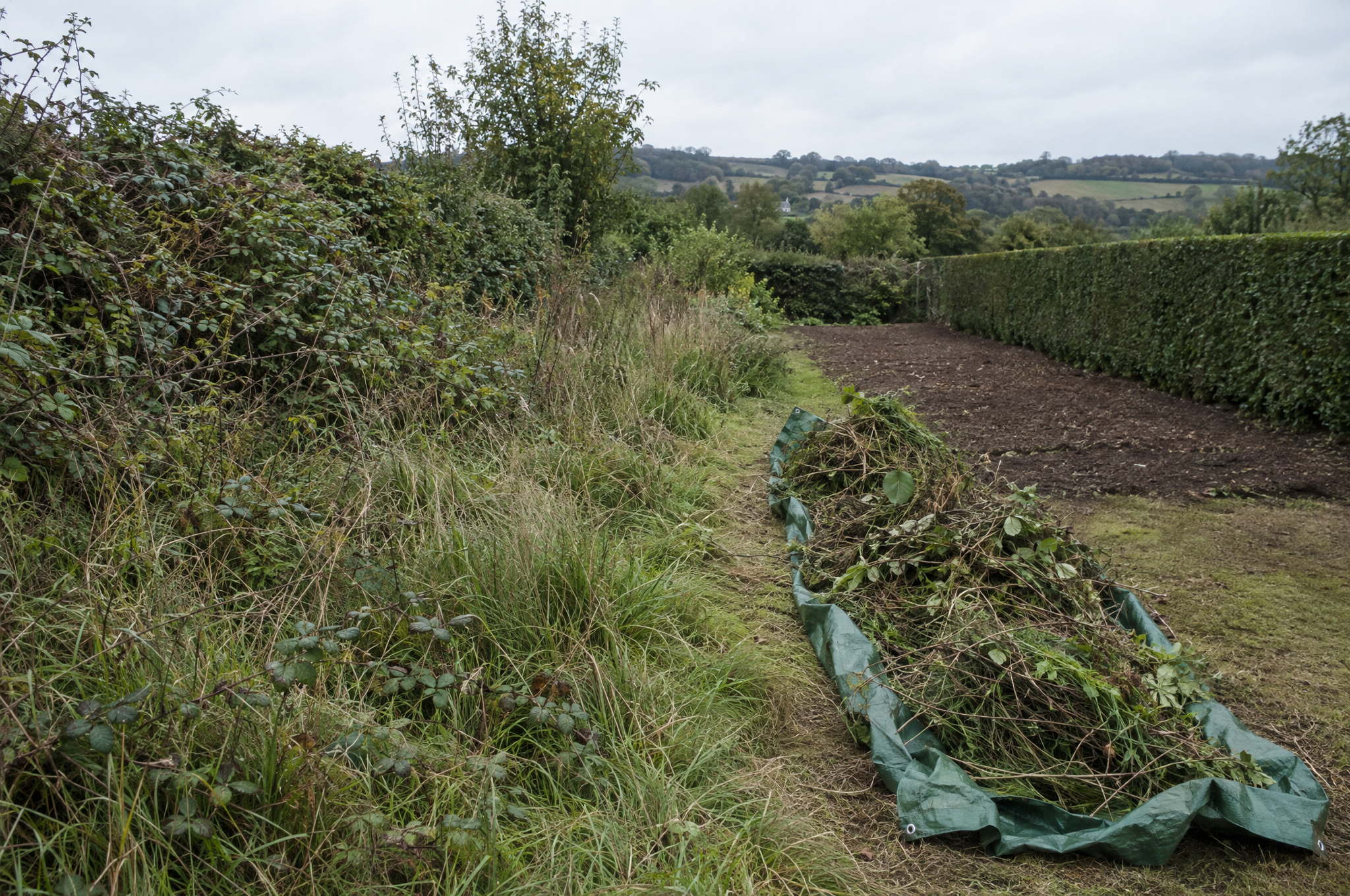
It helps to book with the right job in mind, and we will say plainly which one a garden needs after seeing it. A garden that has simply gone over is a tidy up. A garden that has been left for a couple of seasons, where brambles and self seeded saplings have taken hold and the hedges have lost their line, is a garden clearance, which is a different scale of work with a different quote attached. Equally, if it is really the borders that need attention rather than the whole garden, a focused pruning and weeding visit will go further for the same money.
Seasonal visits suit gardens that are broadly under control, and for plenty of clients they remain the sensible answer for years at a time. Their limit is not the quality of the work but the gaps between it. A tidy up in April cannot do anything about the bindweed that starts in June, and an October clear is several months too late for the shrub that wanted its cut in July.
When the gaps begin to cost more than the visits save, Four Seasons Garden Care is our ongoing garden care programme and the natural step up: a regular agreed schedule, seasonal priorities judged as they arrive rather than at two or three fixed points in the diary, and a garden that is never quite given the chance to fall behind in the first place.




Suffolk Garden Maintenance covers the wider set of jobs that keep a country garden in good order through the year. Regular lawn cuts and crisp edging, careful weeding and considered pruning, seasonal tidy ups, the occasional one off restoration of an overgrown plot, pond cleaning and treatment, and jet washing of patios and paths.

CARE
Garden CareA regular garden care round looking after the whole garden, with grass cutting, edges and beds kept calmly in good order season after season.

CUT
Lawn CutsWeekly and fortnightly mowing rounds on a fixed day, with crisp edges, even stripes and every clipping cleared.

SHAPE
Hedge TrimmingEven cuts and careful shaping for boundary hedges, formal yew, beech, hornbeam, hawthorn and feature shrubs.

PRUNE
Weeding and PruningConsidered pruning of shrubs, roses, climbers and small trees, with beds, gravel and paving kept clean.
RESTORE
Garden Clean UpsOne off garden clearance and restoration of overgrown gardens, brought back into good order calmly and at your pace.

TEND
Pond MaintenanceRoutine pond care and pond cleaning, koi welfare, filter and pump checks, planting work and wildlife safe treatment.

WASH
Jet WashingCareful jet washing of patios, paths, driveways and stonework, with the pressure matched to the surface.
Enquiries are read in person, by Elliott. A few lines about the garden, the kind of work you have in mind and roughly where you are in Suffolk is all we need to start. Where it makes sense, we will arrange a quiet visit to look round the garden and talk it through.