One off garden clearance and restoration of overgrown gardens, brought back into good order calmly and at your pace.
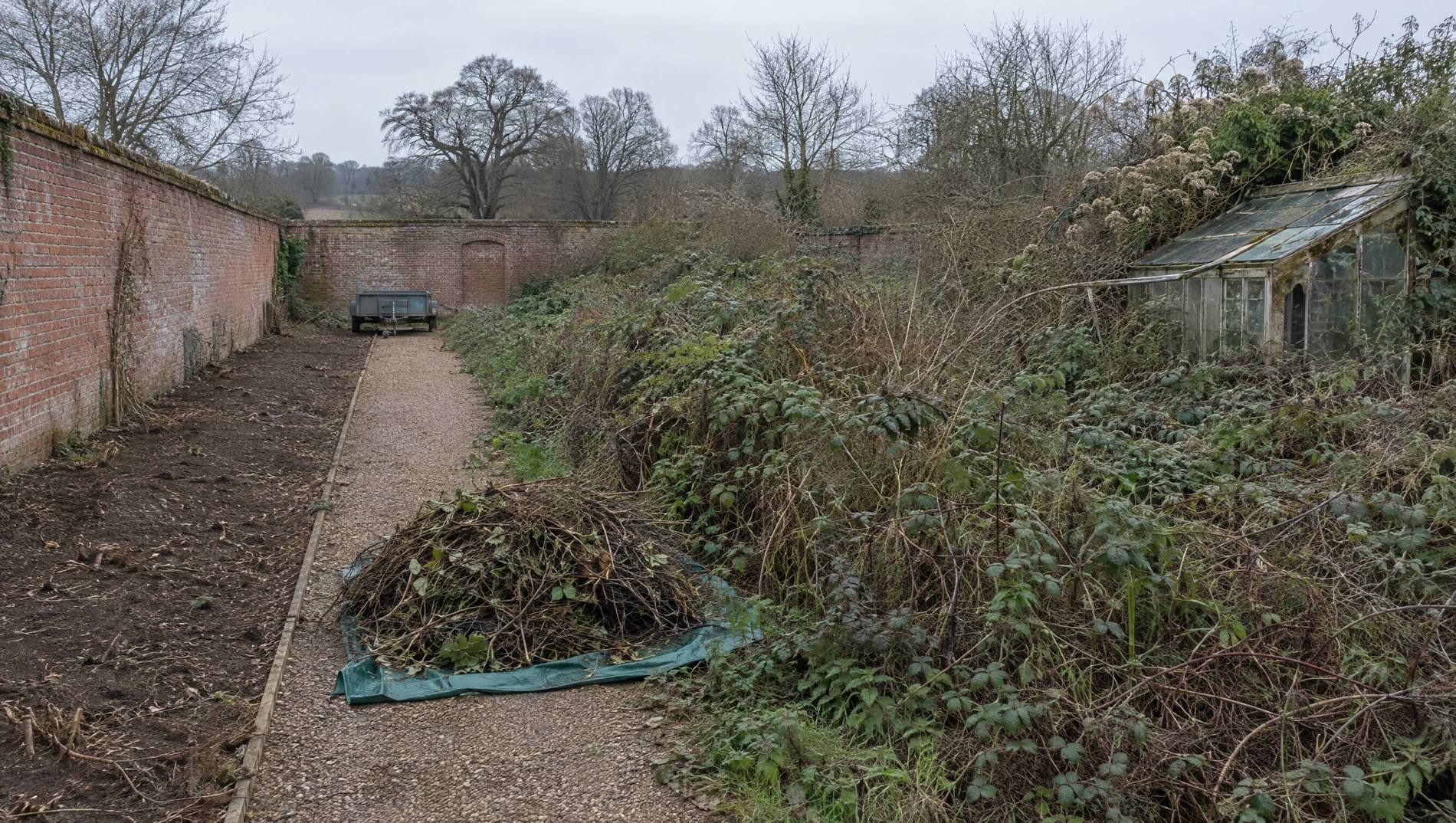
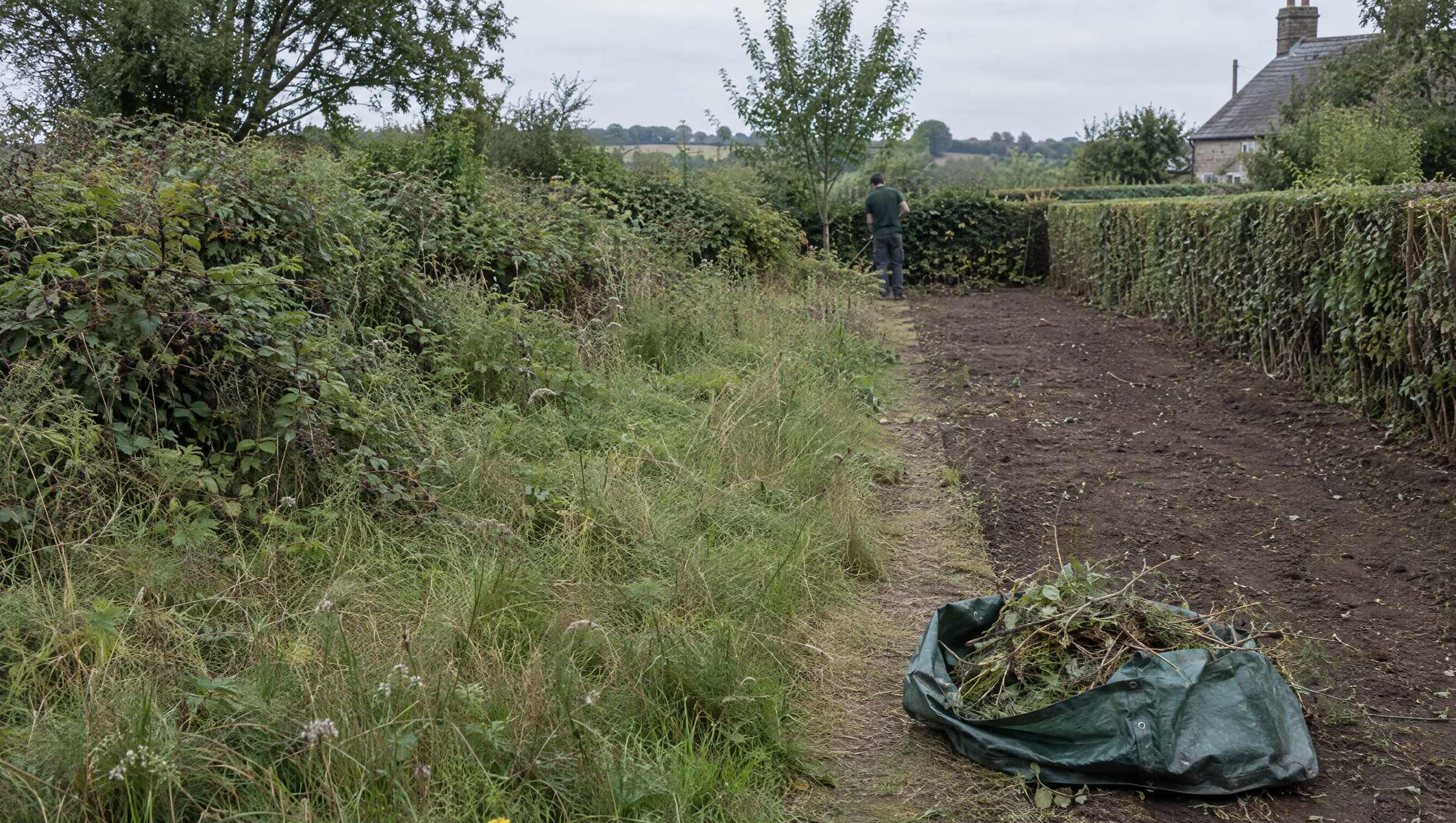
Garden Clean Ups are one off restoration projects for gardens that have been left for a season or two, or longer. Brambles, self seeded saplings, overrun beds, hedges that have lost their shape, lawns that have lost their edge, gravel that has gone to weed, stonework gone green. Whatever has crept in while the garden was not being kept.
The work is staged calmly across one visit or several, depending on the scale, and there is no judgement attached to how much has built up. Plenty of clients book a clean up after a busy year, after moving into a new home, or after inheriting a garden that needs attention. The aim is simply to get the garden back to a state you can enjoy.
Before anything is cut, the garden gets a proper look over. Long grass, log piles and leaf drifts are where hedgehogs, slow worms and grass snakes sit out the season, so rough areas are topped in stages and worked from the middle outwards rather than strimmed flat in a single pass. Hedges and dense shrubs are checked for active nests, and anything found is left until the birds have finished, which occasionally means one corner of the garden waits a few weeks. It costs very little and it is the difference between clearing a garden and emptying it.
A few things are identified rather than attacked. Japanese knotweed is not cut, dug or moved, because fragments spread it and the waste is controlled: it needs a specialist and a proper treatment plan, and we will tell you if we think that is what you have. Giant hogweed sap burns skin in sunlight and gets the same caution. Self seeded ash, sycamore and elder growing out of walls or up against foundations are dealt with at the root rather than topped, and anything that has quietly become a tree is checked for a preservation order or conservation area status before a saw goes anywhere near it.
Overgrown garden clearance arrives from a handful of familiar directions. A house that has just changed hands and came with a garden nobody has touched in two years. A probate property being brought up to a sellable condition. A long illness, a new baby, a demanding year at work. A rental between tenants. A garden that was fine until the ash tree came down in a February gale and took a fence and a border with it. None of these need explaining or apologising for, and the quote is the same either way.
The first visit is a walk round rather than a start, because the scale of a clearance is genuinely hard to judge from photographs and impossible to judge from a description. What a walk round establishes is what is actually underneath: whether the lawn is recoverable or gone, whether the hedge has a maintainable face left in it, which shrubs are worth keeping and which have had it, where the beds originally ran, and what the access is like for getting waste out. That last one changes a quote more than anything else. A garden reached only through a house or down a narrow side passage is a different job from one with a gate onto a drive.
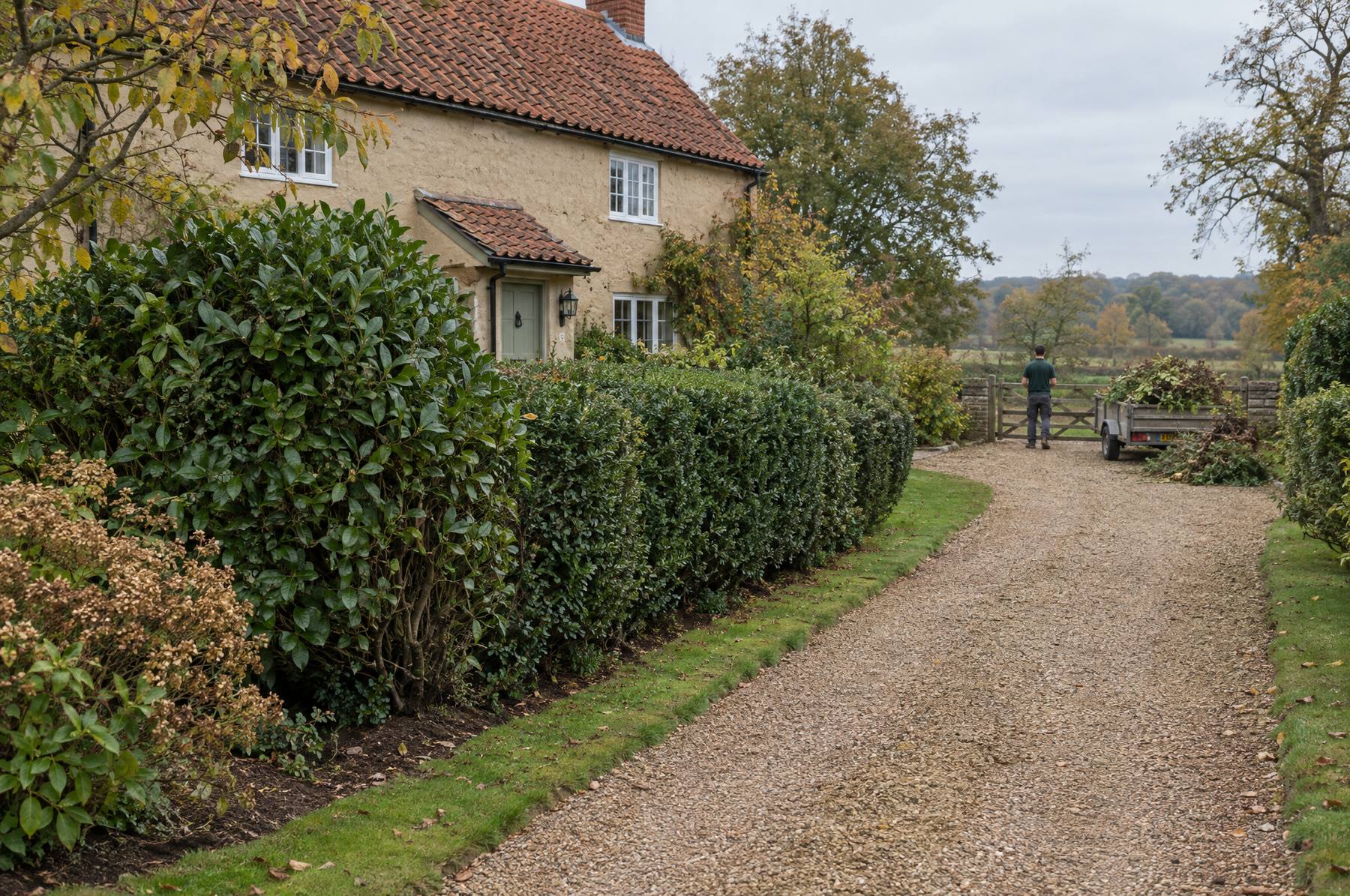
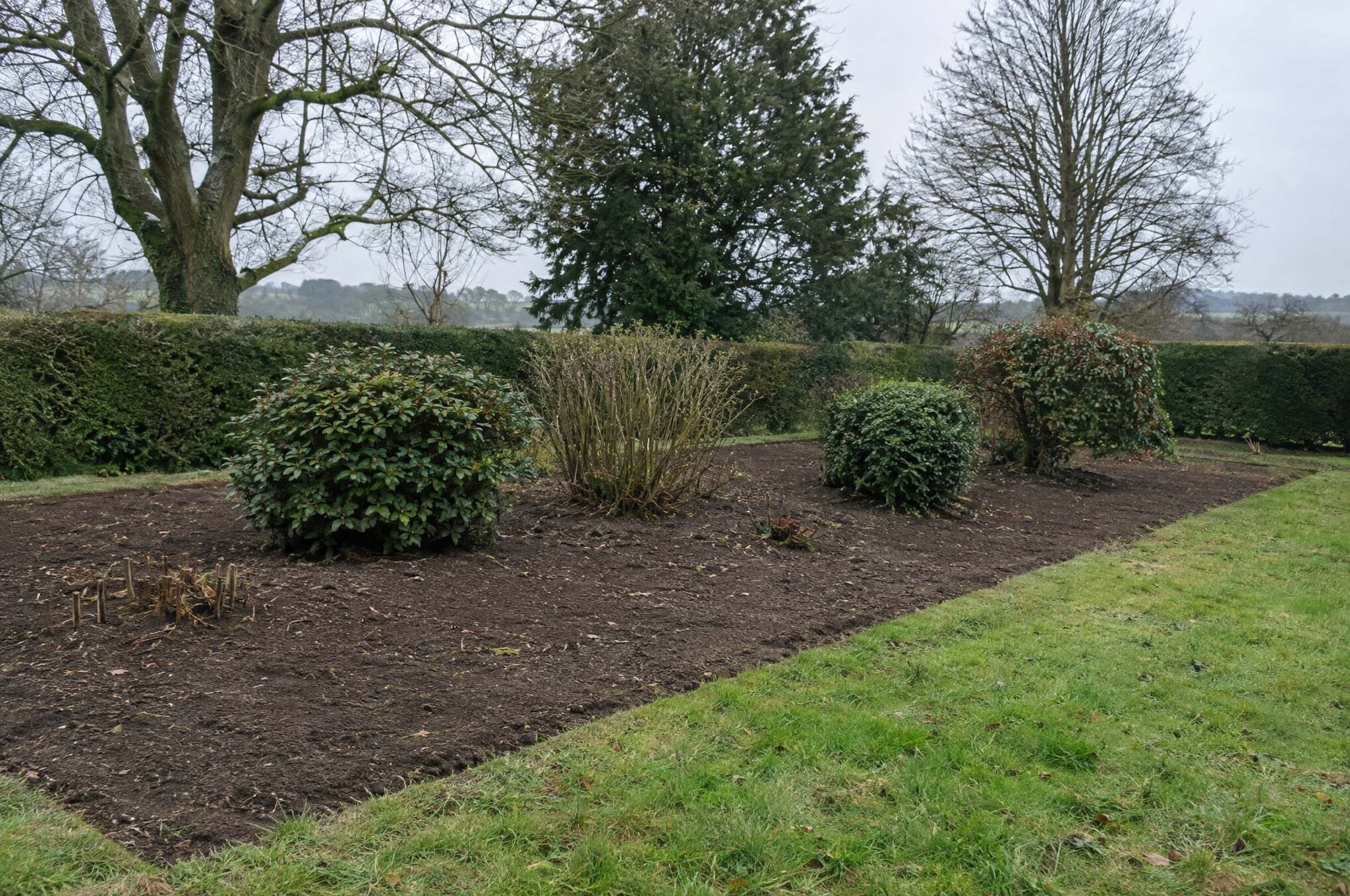
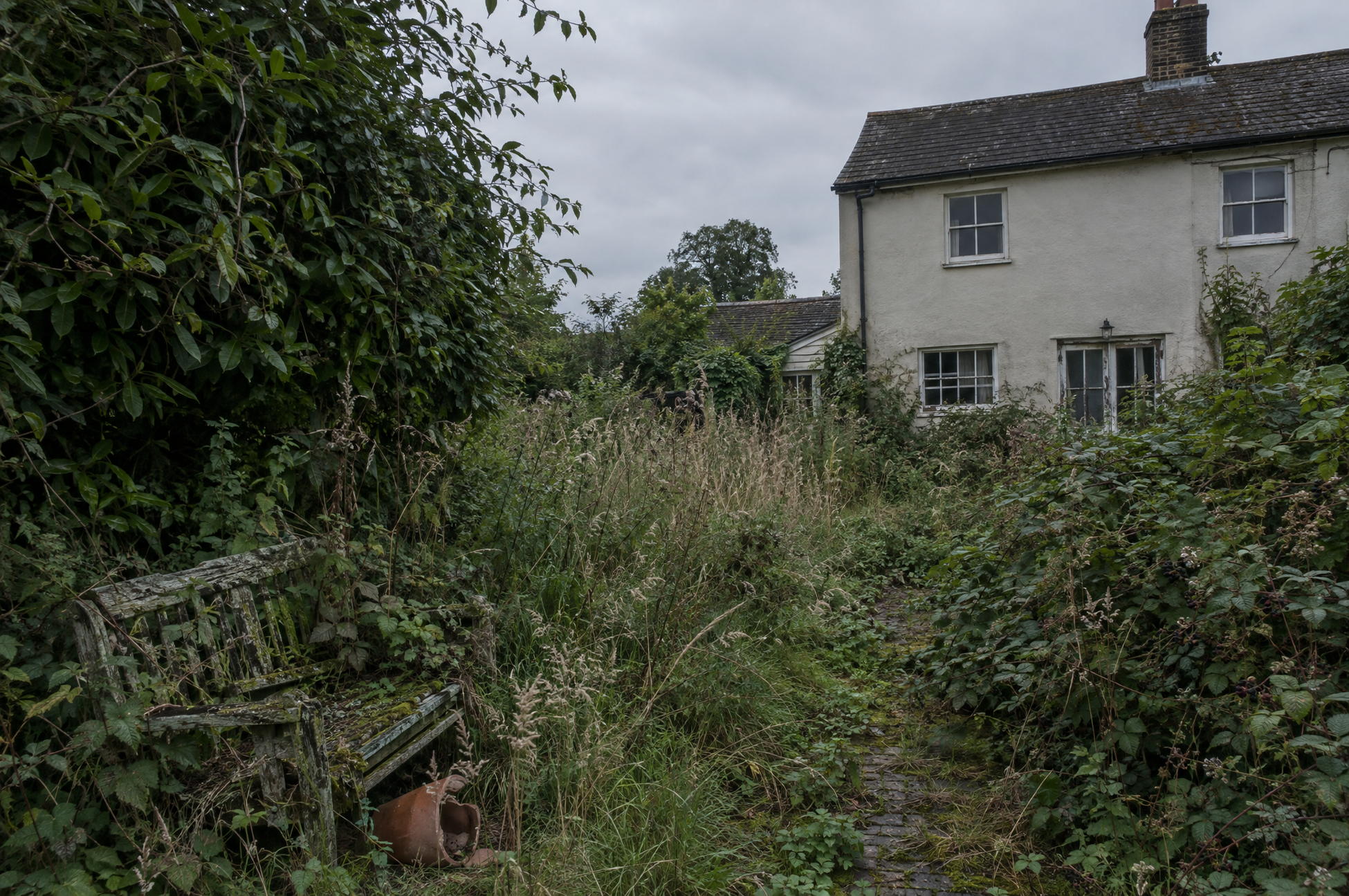
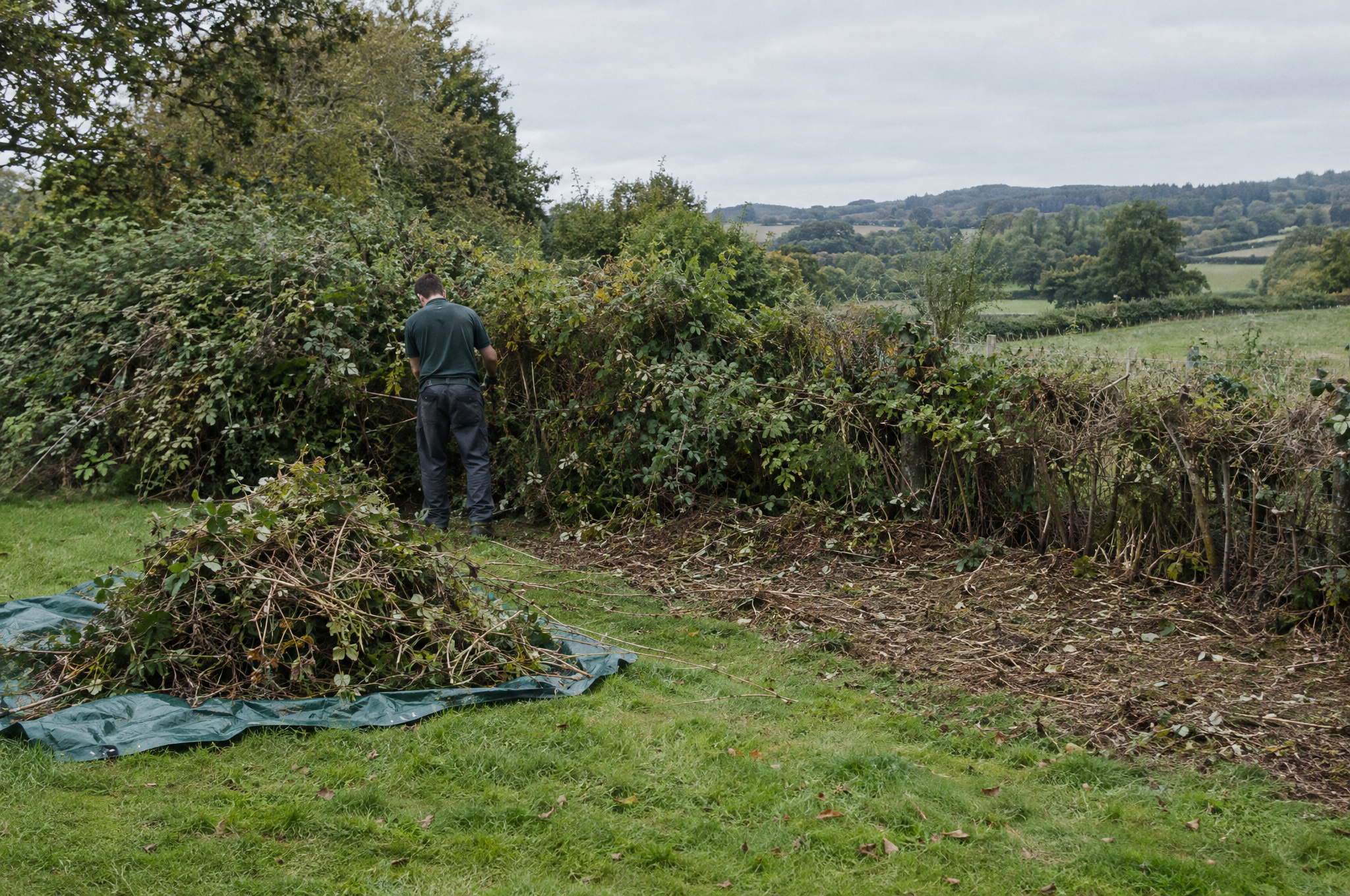
Restoration work follows a sensible order. The big structural items first. Overgrown hedges brought back to a clean line. Brambles and self seeded saplings cleared. Lawns reclaimed and edges redrawn. Bed shapes re established. Path edges and drives sorted.
Then the finer work. Overrun beds sorted, perennials lifted and divided where useful, weeding done thoroughly rather than skimmed, gravel and paths cleared, stonework jet washed where it helps. Quotes are given clearly in writing in advance, with the schedule of visits set out so you know exactly what happens when, and at what cost.
The order is not just tidiness. Doing the structural cutting first means the fine work is not trampled the week after it is done, and it lets the real scale of the job show itself before decisions are made about planting that may well be worth saving. A lawn that has gone to hay is topped high and then brought down over two or three cuts rather than scalped in one, which would leave bare soil and a perfect seedbed for every weed in the garden. Brambles are cut and their crowns dug out, because a bramble cut off at ground level is back by July.
Waste is usually the biggest single variable in a garden clearance and the part most worth thinking about early. A genuinely overgrown plot can produce several tonnes of green material, and how that leaves the site drives a meaningful part of the cost. Where there is room, woody growth is chipped and left as a mulch or a path surface and soft growth is composted in a corner, which keeps the cost down and puts the material back into the garden. Where there is not, it goes out by trailer across the visits. Brown bins help at the margins. Whichever way it goes, the volume and the arrangement are agreed at the quote rather than discovered afterwards.
The other variable is what you want the garden to become, and it changes the work more than most people expect. Clearing a garden so it can be sold is a different job from clearing one you intend to live with. The first wants everything legible, safe and obviously cared for by a particular date. The second can afford to take two seasons over a hedge that would be ruined by doing it in one, can leave a rough corner deliberately for the wildlife, and is better off spending the budget on the bones of the garden than on the finish. Saying which of these you are doing at the outset is the single most useful thing a client can tell us.
The work ends with a garden ready to step into a regular Garden Care round if you would like one, or simply ready to enjoy again. Most projects sit between two and six visits, depending on scale. Whether the next chapter is a steady weekly round, a few seasonal visits a year, or simply you stepping back out into the garden with a glass of something, the practice will help you get there.
It is worth knowing what finished looks like, so you can judge it. Bed shapes legible again and cleanly edged. The lawn reclaimed to its proper boundary rather than the line the brambles left it at. Hedges cut back to a face that can be maintained from here rather than one that will need reducing again next year. Paths clear to their full width, gravel scraped back and weeded, stonework washed where doing so lifts the whole garden. More often than not the original design comes back into view during the work, and the conversation at the end is about what to do with the garden rather than how to survive it.
The visits are spaced a week or two apart rather than run back to back, which gives cut ground a chance to show what it is going to do and gives you a chance to change your mind about something while it is still cheap to change. The schedule of visits and the cost of each are set out in writing in advance, so the project has a shape from the beginning rather than an open ended running total.
What happens next is worth deciding before the last visit rather than after it. Where the plan is to keep the garden in the condition the clearance has just reached, a regular garden care round starting within a few weeks holds the ground that has just been won, and it is far cheaper than clearing the same garden again in two years. Where the hedges were the main problem and the rest is manageable, a standing arrangement for hedge cutting and trimming once or twice a year is often all that is actually needed.
A clean up buys a garden back, and the weeks straight afterwards are the best it has looked in a long time. What happens next decides whether that lasts. Left alone, a restored garden is halfway back to where it started within two growing seasons, because the ground is now open, the light is in and every weed seed in the soil has just been handed an invitation. The clients who get the most out of a clean up are almost always the ones who step from it into a regular pattern of care while the garden is still in good order.
Four Seasons Garden Care is our ongoing garden care programme and the natural next chapter after a reset. An agreed schedule picks up from the point the garden is back in shape, the priorities are managed through the year rather than gathered up again each spring, and the work is recorded as it goes, so the ground you have just gained is not quietly given back.
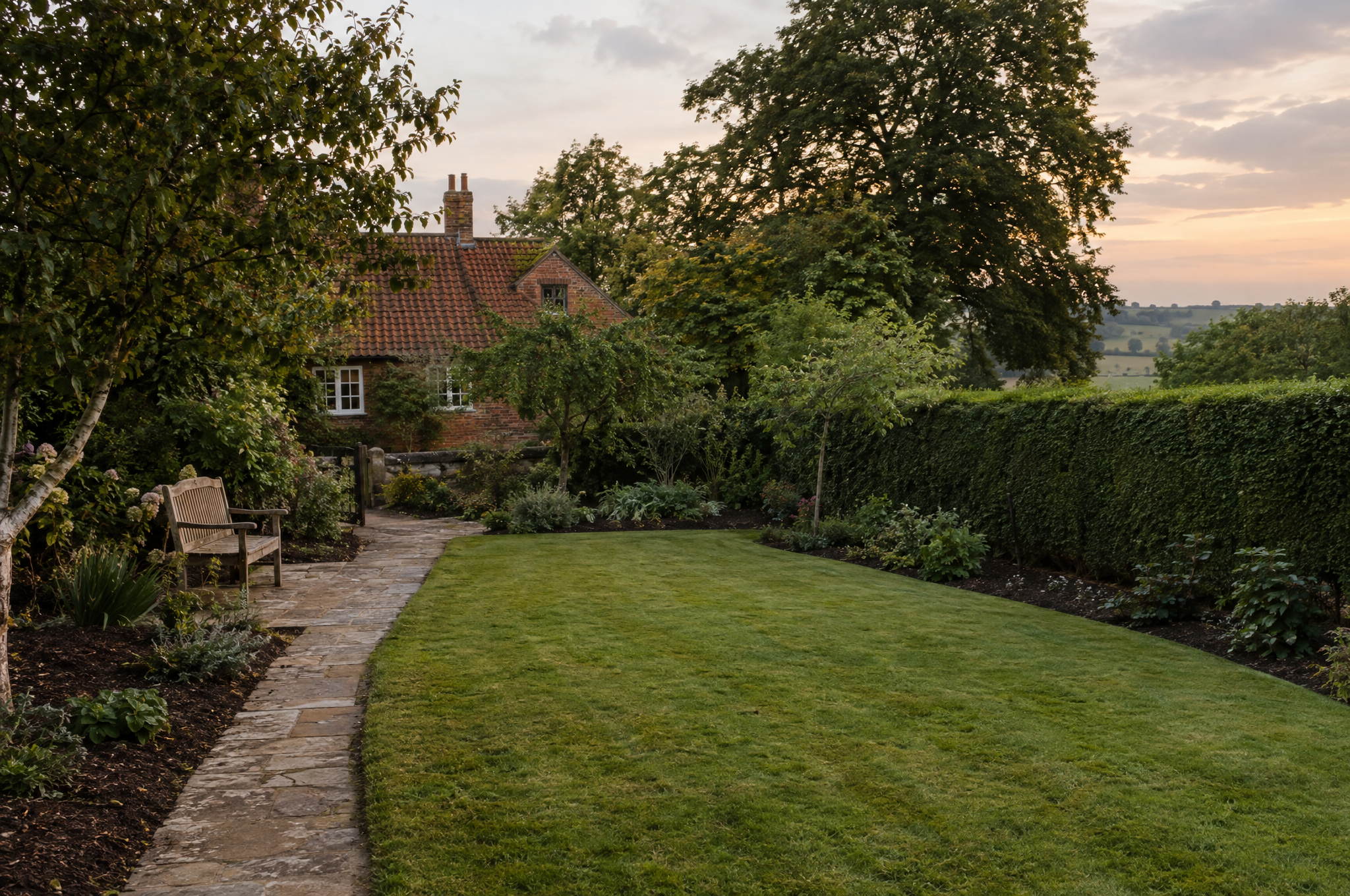
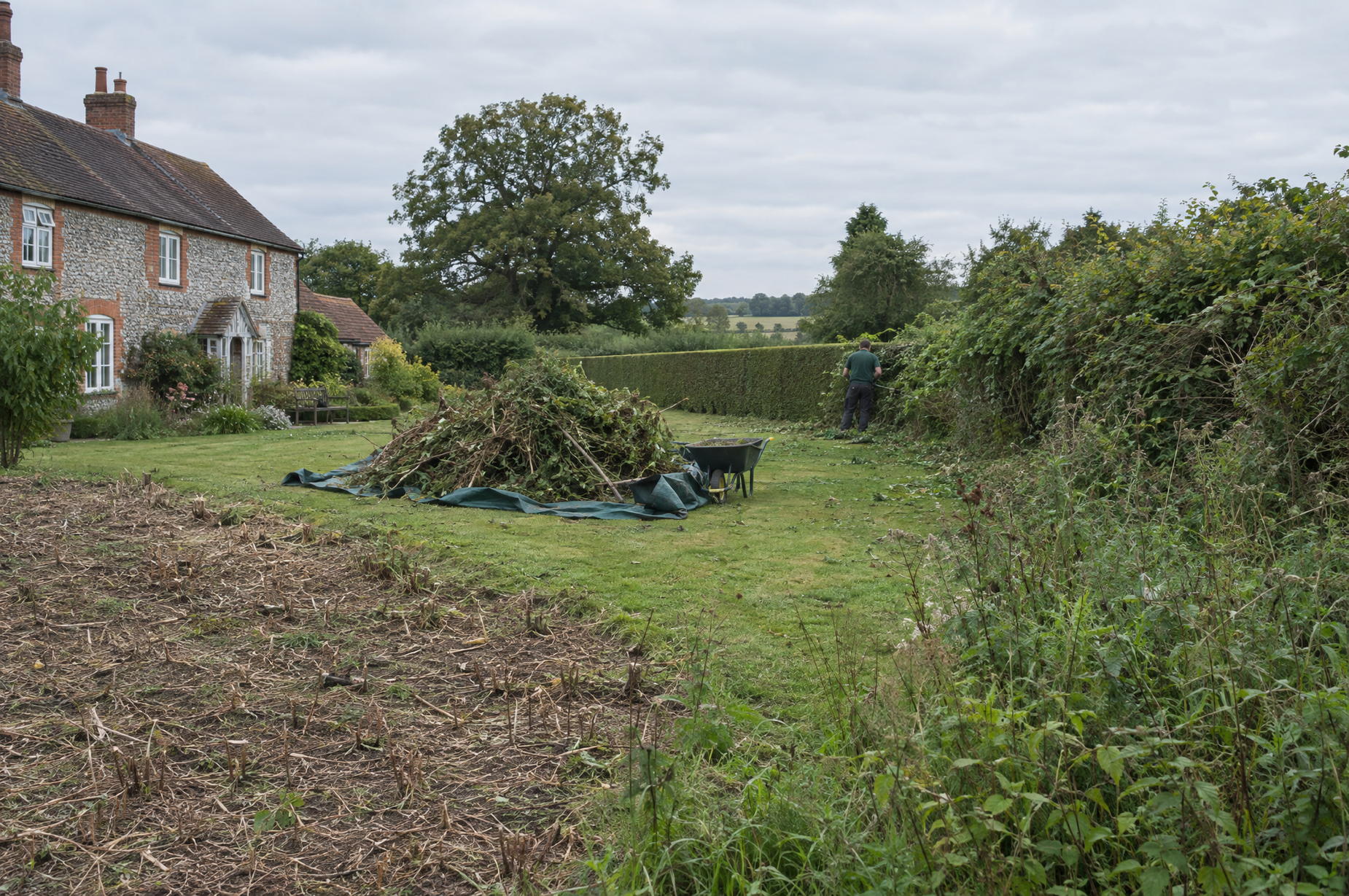
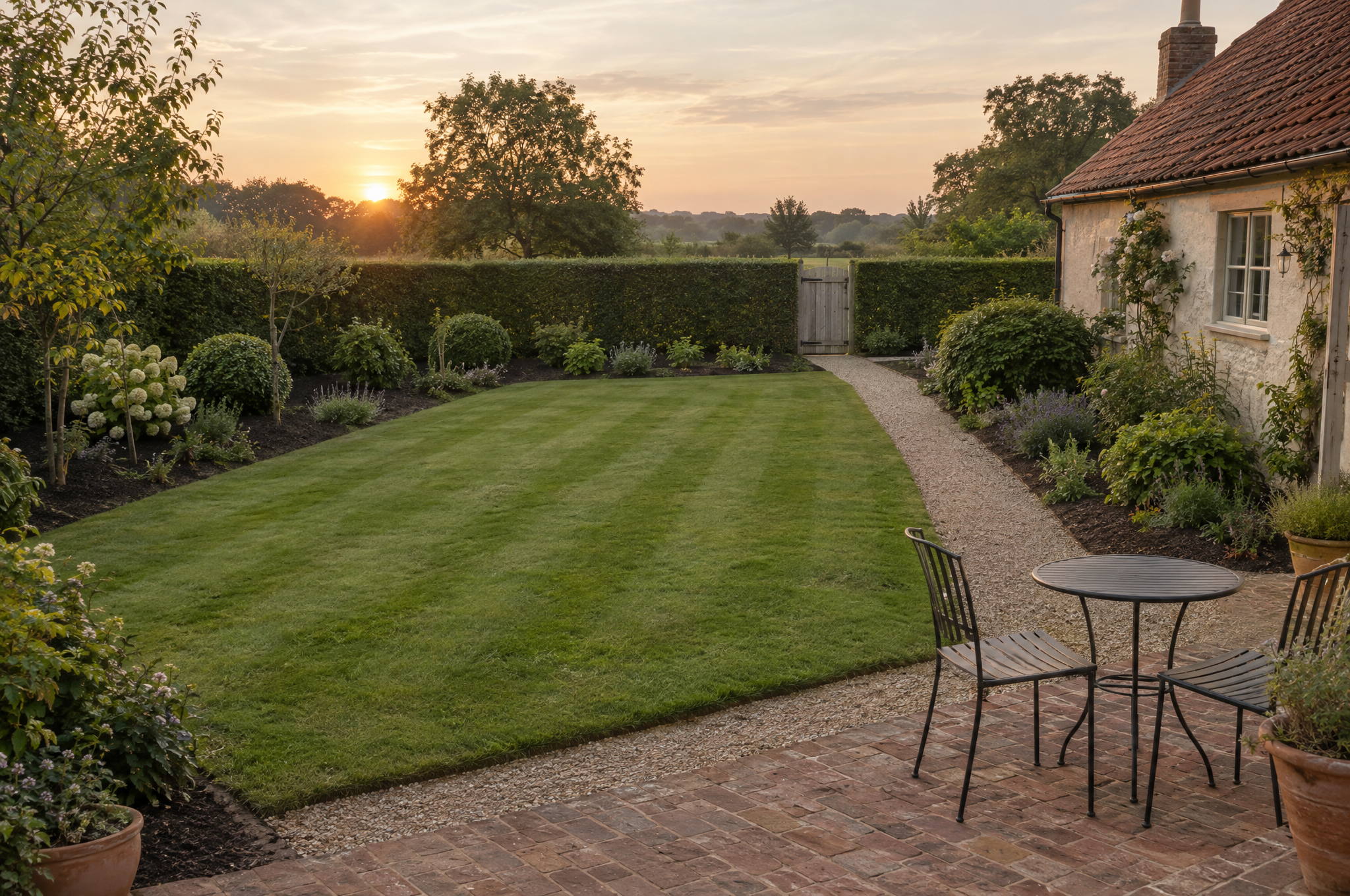
Suffolk Garden Maintenance covers the wider set of jobs that keep a country garden in good order through the year. Regular lawn cuts and crisp edging, careful weeding and considered pruning, seasonal tidy ups, the occasional one off restoration of an overgrown plot, pond cleaning and treatment, and jet washing of patios and paths.
CARE
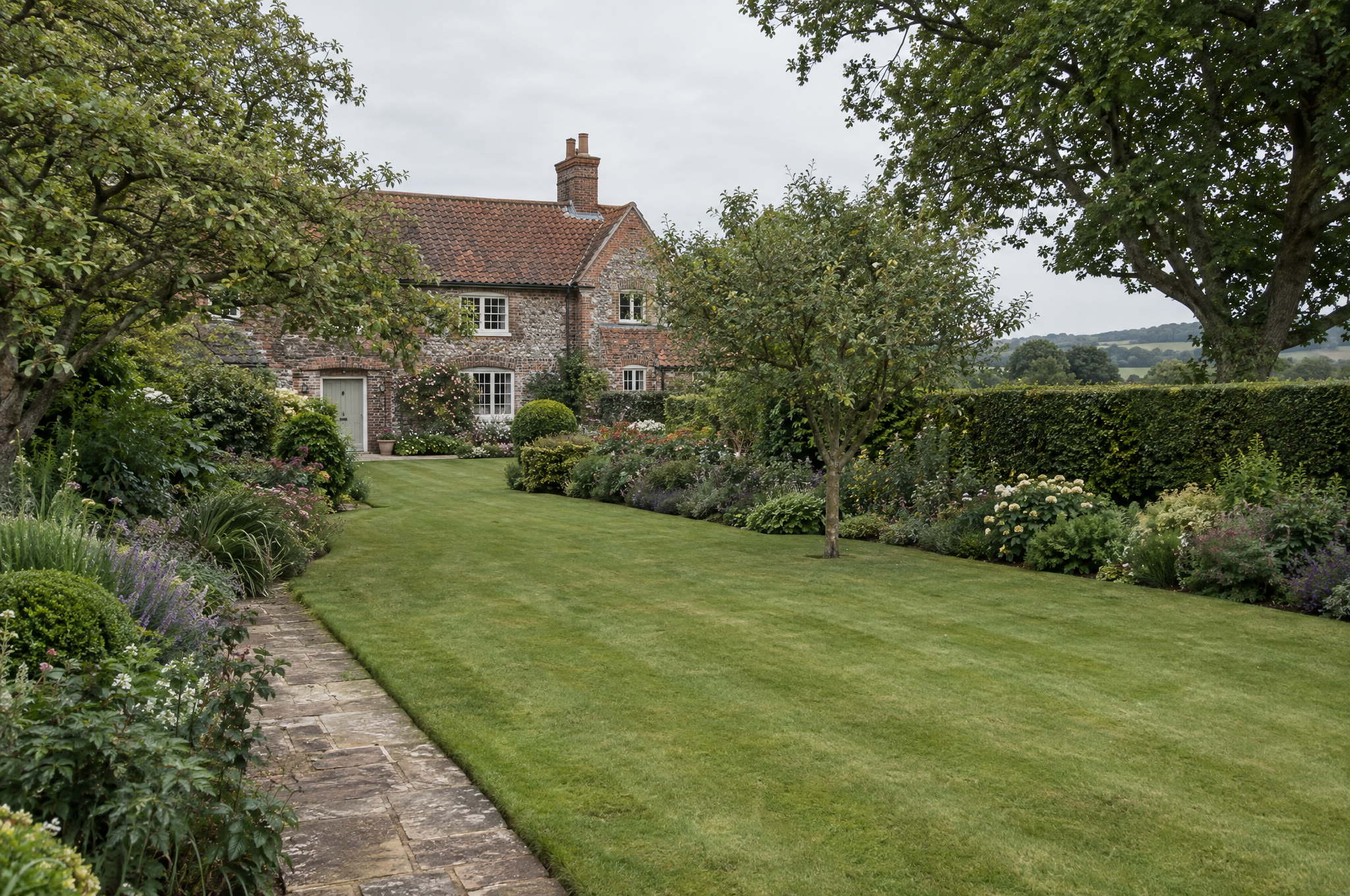
Garden CareA regular garden care round looking after the whole garden, with grass cutting, edges and beds kept calmly in good order season after season.
CUT
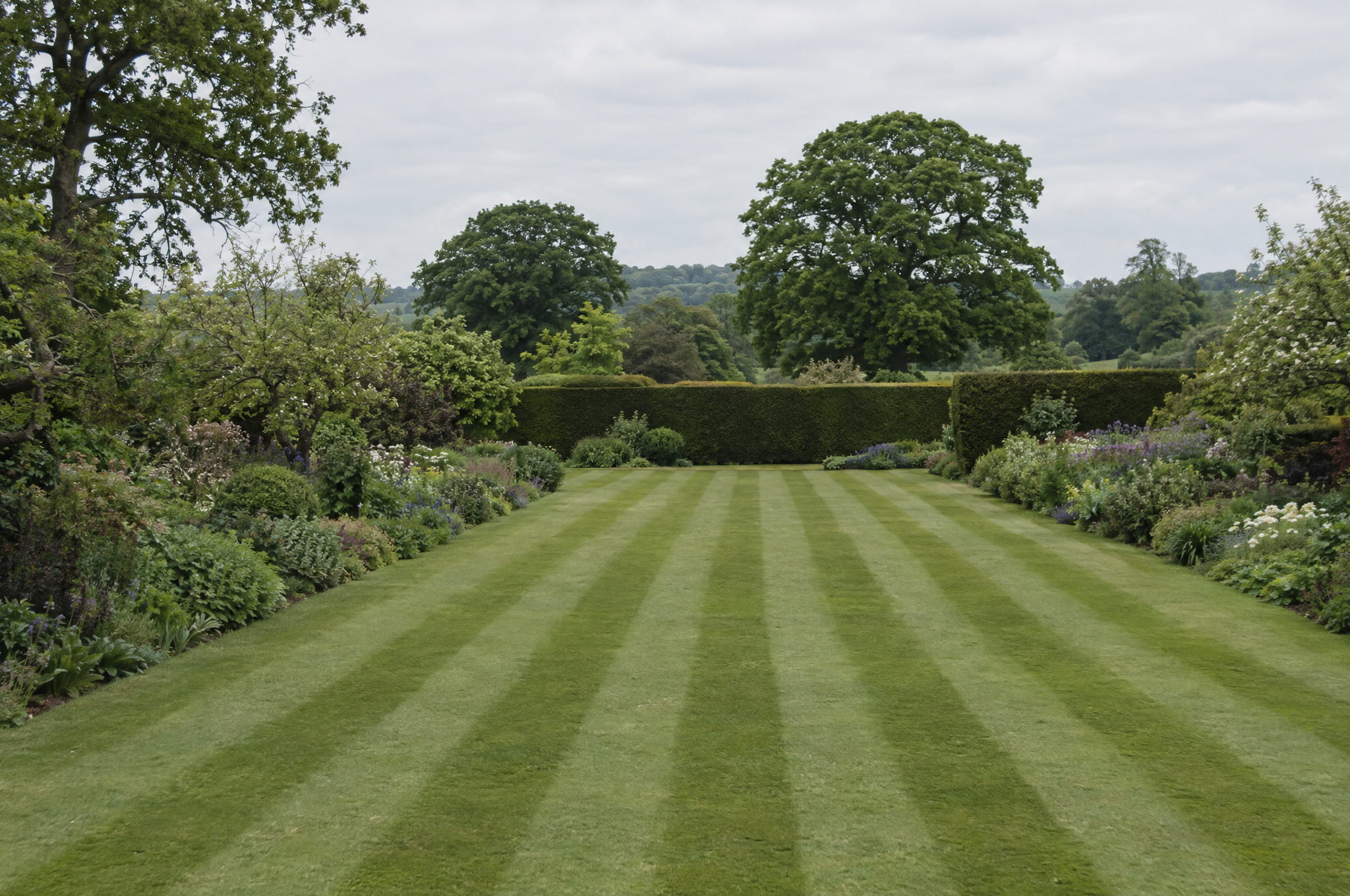
Lawn CutsWeekly and fortnightly mowing rounds on a fixed day, with crisp edges, even stripes and every clipping cleared.

SHAPE
Hedge TrimmingEven cuts and careful shaping for boundary hedges, formal yew, beech, hornbeam, hawthorn and feature shrubs.
PRUNE
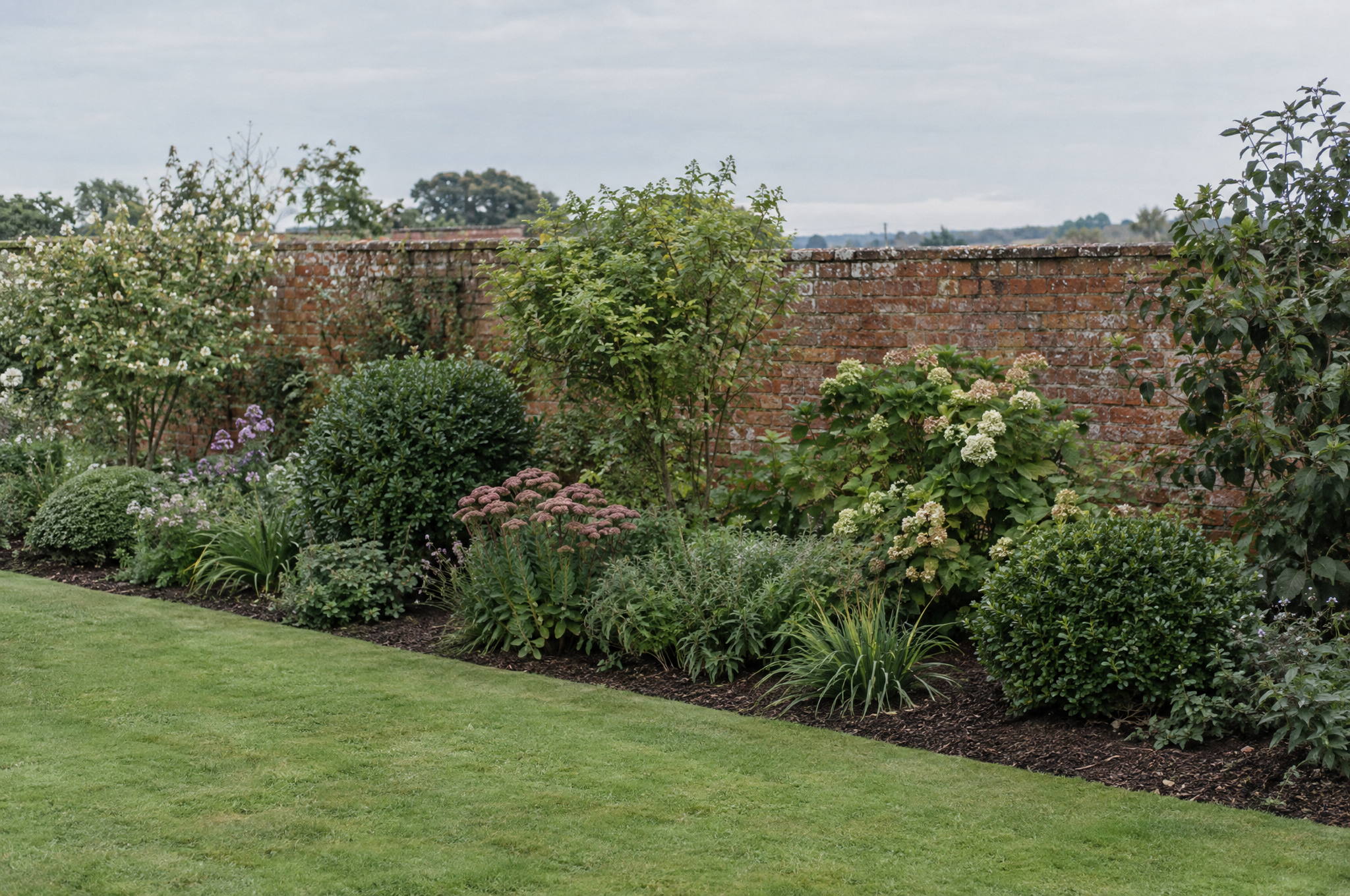
Weeding and PruningConsidered pruning of shrubs, roses, climbers and small trees, with beds, gravel and paving kept clean.
CLEAR
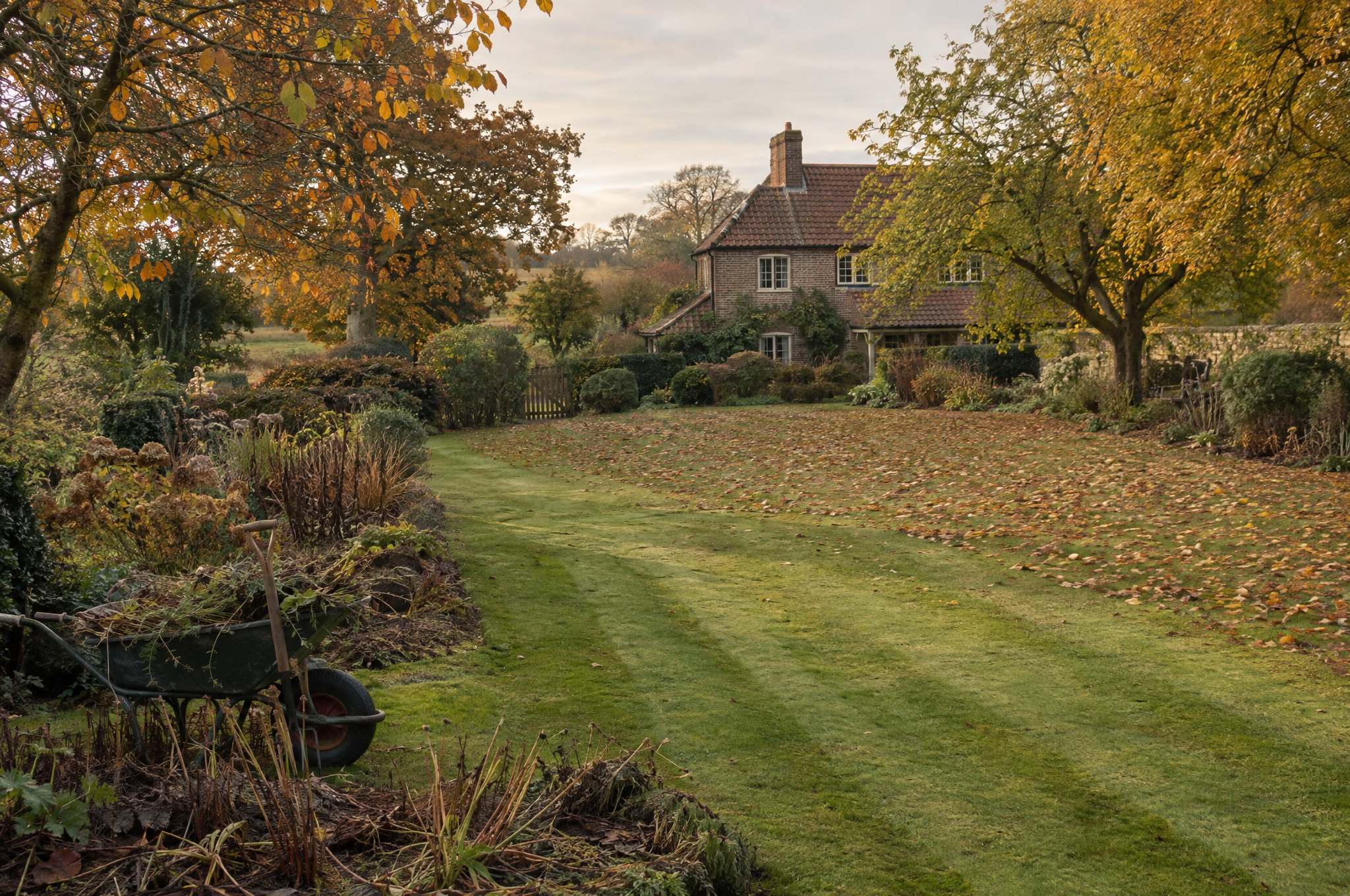
Seasonal Tidy UpsSpring resets, a midsummer garden tidy up and a pre winter tuck up for gardens that do not need a full round.
TEND
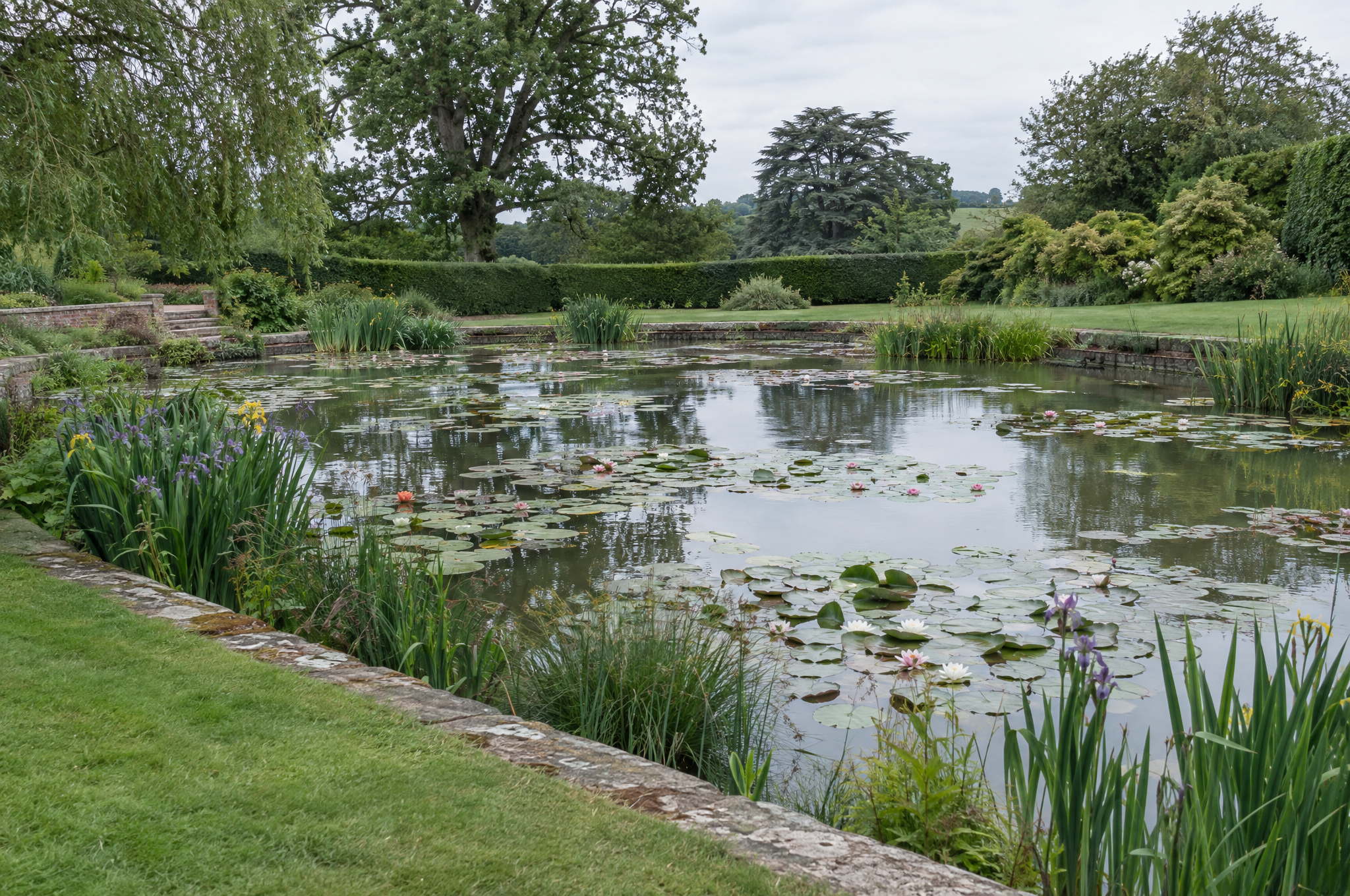
Pond MaintenanceRoutine pond care and pond cleaning, koi welfare, filter and pump checks, planting work and wildlife safe treatment.
WASH
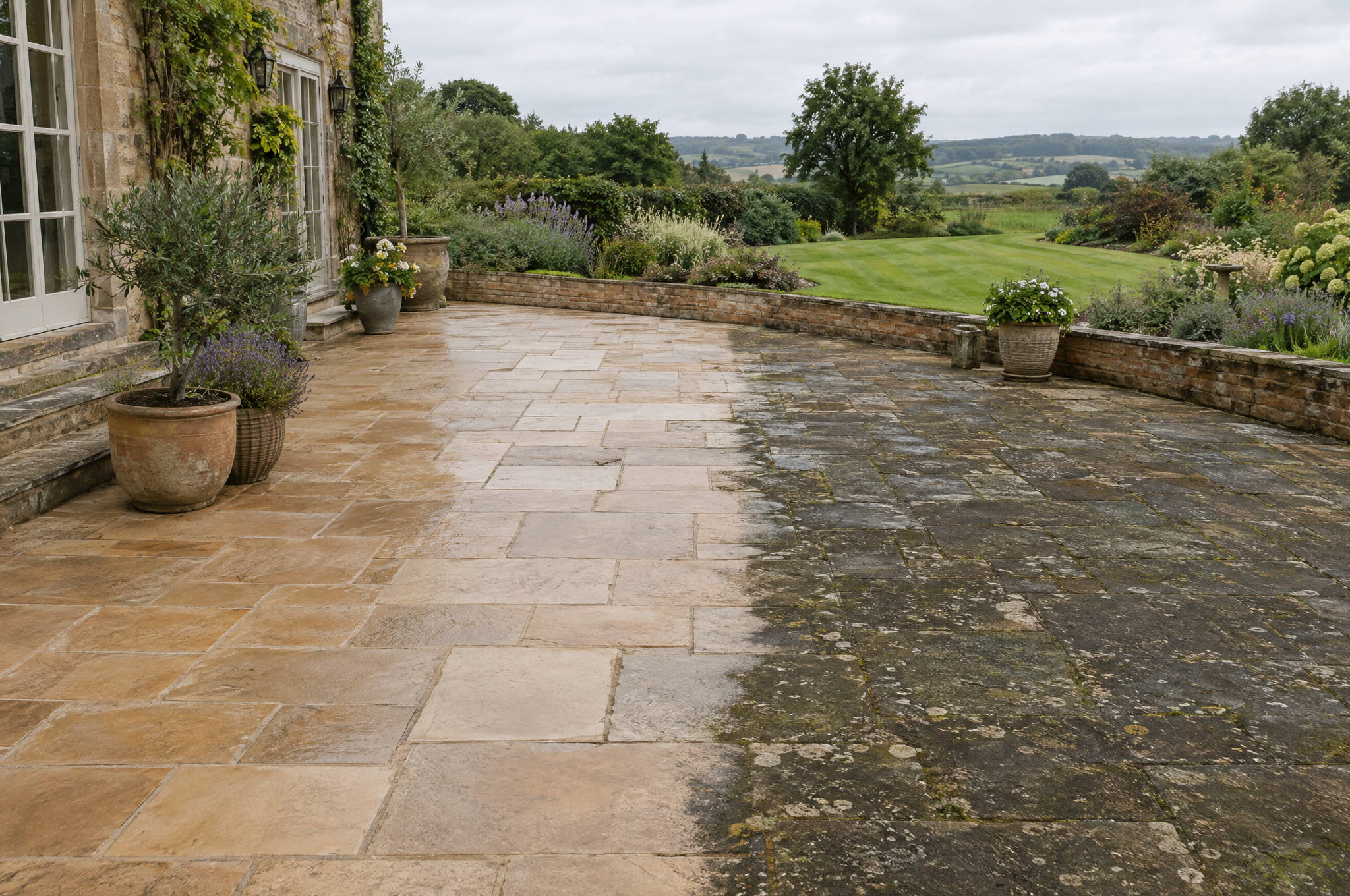
Jet WashingCareful jet washing of patios, paths, driveways and stonework, with the pressure matched to the surface.
Enquiries are read in person, by Elliott. A few lines about the garden, the kind of work you have in mind and roughly where you are in Suffolk is all we need to start. Where it makes sense, we will arrange a quiet visit to look round the garden and talk it through.