The questions that come up most often when new clients get in touch, covering how the rounds work, what we cover across Suffolk, pricing, insurance, hedges, ponds and the small details that matter.
If you have a question that is not on the list, get in touch and we will answer it directly.
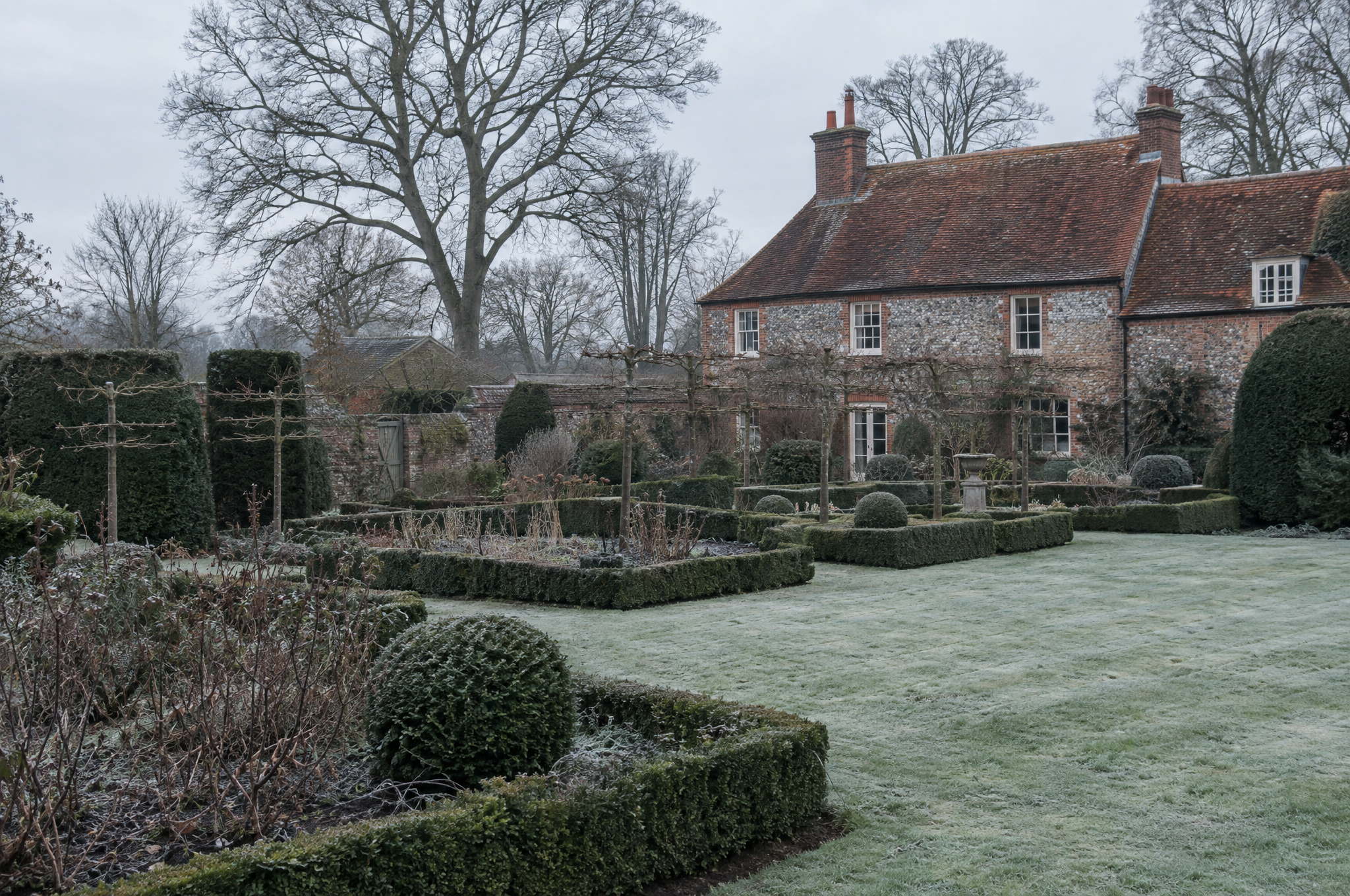
Suffolk Garden Maintenance is based in Needham Market and runs a regular round across the county. The most regular visits are through Stowmarket, Bury St Edmunds, Stowupland, Claydon, Coddenham, Barham and the surrounding villages. All within a comfortable drive of base, which means visits arrive on time and the work day is spent in the garden rather than the van.
One off jobs and seasonal projects are also taken a little further afield within Suffolk, toward Ipswich and Woodbridge in one direction, toward Newmarket and the Suffolk countryside out west, and into the smaller villages between. For a regular weekly or fortnightly round we tend to keep within twenty to thirty minutes of Needham Market so the visits stay reliably consistent. For one off seasonal work, garden clean ups, full pond cleans and larger projects, the practical range is broader.
If you are not sure whether your address sits within the regular round, get in touch with your postcode and we will let you know directly. For estate properties or country homes outside the usual radius, longer one off visits or staged projects can often still be arranged.
Enquiries are read in person, by Elliott, rather than passed to an office. Where it makes sense, we will arrange a quiet visit to look round the garden and talk it through before quoting. Visits are arranged at a time that suits you, and there is no obligation to book afterwards.
For straightforward one off jobs, such as a hedge cut, a tidy up or a pond clean, a quote can sometimes be given without a site visit if you can send a few photos and a description. For regular Garden Care rounds and substantial Garden Clean Ups, an in person visit is always worthwhile. It is the easiest way to discuss what you would like, look at the garden together, and get a sense of whether the practice is the right fit for the work.
The busier parts of the year, particularly spring and early autumn, are naturally slower for correspondence, but every enquiry is replied to. If you have not heard back and would rather not wait, please assume the message did not arrive and try again, either through the form, by email, or by phone.
Pricing depends on the size of the garden, the work required and the visit frequency, so there is no flat rate. Every quote is given in writing in advance after a quiet visit to look at the garden, so you know exactly what each visit will cost before any work begins.
The factors that move the price are sensible ones. The size of the lawn, the length of the bed edges, the number and species of hedges, whether there is a pond and what condition it is in, how mature the planting is, how much green waste is generated per visit, how easy access is for tools, and how often you would like the round to run. A smaller cottage garden on a fortnightly visit will sit at the lower end of the range. A larger country garden on a weekly visit with formal hedging and a pond will sit higher.
There are no surprise charges, no add ons that appear on the invoice without being agreed first, and no fuel or callout fees stacked on top of the visit price. Quotes are honoured for a set period, usually thirty days, so there is time to think it through. If the garden changes substantially between visits, for example a new bed planted, a hedge that has grown faster than expected, or a pond that needs more frequent attention, the round price is reviewed openly with you rather than adjusted quietly.
Yes, every time. Even small jobs are quoted clearly in writing before any work begins. There are no surprise charges and no add ons that appear on the invoice without being agreed first.
Quotes are sent by email after the initial visit, broken down by line item where it helps. The visit price, any one off elements such as hedge cuts, pond cleans or tidy ups, and any green waste handling beyond standard. Where work is staged across multiple visits, the schedule is set out in the quote as well, so you can see what happens when, and at what cost.
Quotes are honoured for a set period, usually thirty days. If something about the garden changes between quote and start, for example the brief expanding, an extra hedge being added, or the timing shifting, the price is reviewed openly with you rather than adjusted quietly on the invoice. Invoices are sent monthly for regular rounds, on completion for one off jobs, and always reflect what was actually quoted.
Both. Most clients book a regular Garden Care round, but plenty just want a one off seasonal tidy, a hedge cut once or twice a year, a one off pond clean, or a Garden Clean Up to bring an overgrown plot back into shape. There is no minimum commitment and no contract to sign. The practice runs on a calm continuing basis where either side can change the arrangement at any time.
Common one off bookings include a spring reset to clear the winter and prepare beds for the growing year, an autumn tidy to lift fallen leaves and cut back perennials, a single late summer hedge cut, a pre winter visit to tuck the garden up, and full pond cleans timed for spring or early autumn. Many clients also book one off visits before a garden event or a house viewing, when the garden needs to look its best on a particular date.
Regular rounds tend to suit gardens that benefit from continuity. Established planting, ponds, formal hedging, lawns that take real care to keep crisp. One off visits suit clients who handle most of the work themselves but want a professional hand at key moments in the season. There is no wrong way round, and clients often move between the two over the course of a year.
No problem. The service shape is designed to be flexible. Add a hedge cut, drop the frequency for a quiet month, ask for an extra tidy ahead of a garden party, swap a regular Garden Care round for a series of one off seasonal visits. Get in touch and the round adjusts.
The most common mid year changes are seasonal. Adding hedge cuts in summer, adding leaf clears in autumn, dropping visit frequency through winter. Less common but easily handled are bigger shifts, such as pausing the round for a long absence, scaling up after a garden extension or new planting scheme, taking on a new aspect of the garden after replanting, or adding a pond if one has just been installed.
There are no admin fees for changes and no awkward conversations. A short message is enough, and the next invoice reflects the new arrangement. Where a change is significant enough to need a fresh quote, for example a new pond, a major new hedge, or a substantial new bed, that is sent in writing as usual.
Yes. Continuity is one of the founding principles of the practice. The same hands look after your garden across visits, learning its quirks, remembering what was done last time and noticing the small changes that matter through the year. Where the drainage gives trouble in winter, where the roses want pruning hard, when the pond pump needs a clean, which corner gets battered by the prevailing wind.
That continuity is part of why the round only grows slowly. New gardens are taken on at a pace that lets each one keep getting the attention it deserves. There is no rotating roster of staff, no agency labour and no last minute substitutes. Your garden is looked after by someone who knows it, in the same way a good chef stays in their own kitchen.
For larger jobs that genuinely need a second pair of hands, such as a tall hedge cut, a full pond clean or a substantial garden restoration, an established working partner may be brought in temporarily. The lead person on your garden, however, stays the same throughout.
Yes, at a lighter pace. Most regular rounds drop in frequency through autumn and winter, with visits focused on the work that suits the season. Through October and November, the round is heavy on leaf clearing, perennial cut backs and pre winter tidy ups. Through December, January and February, visits become less frequent but more deliberate. Structural pruning of fruit trees, roses and dormant shrubs. Hedge work where the timing suits and the weather allows. Tidying up paths, beds and stonework. A careful watch on anything that struggled in storms or hard frosts.
Winter is also one of the best times of year for one off projects that are difficult during the growing season. Garden Clean Ups for tired or overgrown gardens are far easier when the foliage has dropped and the structure of the garden is visible. Pond cleans are well suited to mild winter or early spring, when fish are quieter and there is time for the pond to settle before summer. Jet washing patios and stonework also works well in winter when the surfaces dry slowly and the weather is reliably damp.
If a regular client would prefer to pause through the deepest winter months and pick up again in spring, that is straightforward to arrange. The round price is adjusted to reflect any reduced visits.
From the small back of a Suffolk cottage to several acres of country garden. The approach is the same at every scale. Calm, careful and considered. The smallest gardens get the same level of attention as the largest country properties.
For the smallest gardens, such as courtyard plots, small back gardens, or urban gardens with a couple of beds and a pocket lawn, visits are short, focused and often fortnightly. The work runs through quickly and the garden stays consistently in good order without taking over the household budget.
For larger gardens, such as established country gardens, properties with formal hedging, ornamental ponds and mature planting, the round is longer per visit and the work is staged across the season. Multiple aspects of the garden may run on different schedules. Lawns weekly, hedges twice a year, ponds quarterly, perennial beds in two seasonal sweeps. The round is shaped around what each part of the garden needs rather than forced into a single template.
For estate scale grounds, the work is usually quoted in a different format. Staged projects across the year rather than a fixed weekly visit, with seasonal milestones and clear schedules. Get in touch and we can talk through what fits.
Yes. Garden Clean Ups are one of the regular services. Whether the garden has been left for a season, a few years, or longer, the work is staged calmly across one or several visits depending on the scale, and it ends with a garden ready to step into a regular round if you would like one.
Restoration work tends to follow a sensible order. Larger structural problems first. Overgrown hedges brought back to a clean line, brambles and self seeded saplings cleared, lawns reclaimed and edges redrawn, bed shapes re established. Then the more careful work. Overrun beds sorted, perennials lifted and divided where useful, weeding done thoroughly rather than skimmed, gravel and paths cleared, stonework jet washed where it helps.
For long neglected gardens, the first visit often focuses on getting the bones of the garden back. Subsequent visits handle the finer detail. Replanting where useful, restoring lost features, returning the garden to a state where regular maintenance can keep it in good order again. Quotes for restoration work are always given in writing in advance, with the schedule of visits set out so you know exactly what happens when. Most restoration projects sit between two and six visits, depending on scale.
Yes. Mowers, hedge trimmers, secateurs, ladders, jet washers, pond equipment, tarpaulins, leaf blowers and protective materials are all brought to every visit. There is no expectation that you provide anything beyond access to an outside tap.
Tools are kept sharp, serviced and clean. Mowers are sharpened regularly so the grass is cut cleanly rather than torn. Torn grass blades discolour at the tips, recover slower, and look ragged a few days after a cut, whereas a clean cut heals quickly and keeps the lawn looking crisp for longer. Hedge trimmer blades are oiled, secateurs are wiped between gardens to avoid spreading disease between plants. Small things that matter to anyone who cares about a garden.
Power equipment is fuelled or charged off site so the visit time is spent in your garden rather than at the pump. For specialist work, such as koi welfare during a pond clean, careful jet washing of old York stone, or fine pruning on a feature shrub, the right equipment for the job is brought specifically rather than improvised on site.
Yes. Every visit ends with all clippings, prunings and waste cleared and taken away as standard. You will not be left with a pile of green waste in the corner of the garden, a heap of leaves to deal with later, or bagged clippings sitting by the gate.
Where the garden has its own compost area, leaf mould bays, or a wildlife pile that benefits from added prunings, that can absolutely be arranged. Many country gardens prefer their own waste stays on site for soil health and wildlife reasons, and the work plan adapts accordingly. Tell us what you would like and the visit will be planned around it.
Removed green waste goes to a licensed composting site, not to landfill or roadside. For larger jobs such as full hedge cuts, garden clean ups and pond cleans, a separate trailer is brought to handle the volume, and the site is left tidy regardless of the size of the job.
Yes. Suffolk Garden Maintenance carries full public liability insurance covering the work carried out and the equipment used on your property. Cover is set at a level appropriate for the kinds of properties looked after, including country homes and small estates where insurance requirements can be more demanding.
A copy of the certificate can be provided on request. For clients with managed estates, property managers, or insurance requirements of their own, the policy details can be sent in advance so there is nothing to chase later. References from existing Suffolk clients are also available where helpful, particularly for larger gardens, ponds and hedge work.
Beyond public liability, all power equipment is regularly serviced and PAT tested where applicable, and standard safe working practice is observed for ladder work, hedge trimming, jet washing and pond work. The aim is straightforward. Work that is good, work that is safe, and a clean record.
Yes, often. Where a job sits outside the practice's remit, such as major tree work, structural landscaping, a pond build from scratch, hard landscaping, fencing and walling, irrigation systems or garden lighting, we are happy to coordinate with the right specialist or recommend trusted Suffolk contractors we have worked alongside in the past.
Coordinating well across trades is part of how a project runs smoothly. A new pond install handed over to ongoing pond maintenance from day one, for example, gets off to a far better start than one left to settle for months. A landscaping project followed up by careful Garden Care reseeding, planting and edging in the months afterward delivers a far better finished result than the same work left to bed in on its own.
Where you have your own preferred contractors, that is fine. We work in alongside them as needed. Where you would rather we recommend someone, we are glad to make introductions to people we trust. The aim either way is your garden being looked after well, not gatekeeping who works on it.
It depends on the species and how formal you want the hedge to look. Fast growing hedges typically want two cuts a year. Slow growing hedges are usually fine with a single careful cut. Formal feature hedging, such as yew topiary, box parterre and ornamental shapes, often wants more careful, more frequent attention to hold its line.
Beech and hornbeam, popular boundary hedges across Suffolk, want two cuts a year. One in early summer once the new growth has hardened off, and one in late summer to set the hedge tight for autumn and winter. Hawthorn and blackthorn, common in country boundaries, also do well on a twice yearly schedule. Privet wants two cuts a year if you want it tidy, and occasionally three for the most manicured.
Yew, the classic estate hedge, wants a single careful cut a year, usually in late summer. It is slow growing but forgiving of hard cutting back. Box, used for parterres and ornamental hedging, wants a single annual cut to keep its tightness, though feature topiary often sees more frequent light tidying. Mixed native hedges are usually fine with a single late summer cut after the bird nesting season.
We can take a look at your hedges and advise on what they are and what they want. Most gardens have a mix of species, and the schedule is shaped accordingly.
Tall hedges, yes. With platform ladders, telescopic hedge trimmers, and a second pair of hands where the height or the volume calls for it. Hedges up to roughly four metres are routine work. Taller hedges are entirely possible but the work takes longer and benefits from setting up properly with edge protection, tarpaulin spread to catch clippings, and where appropriate a brief safety check before starting.
Major tree surgery, climbing work and the felling of large trees are not part of what the practice does. These are jobs for an experienced, properly insured tree surgeon with the right qualifications and equipment. We are happy to coordinate with a trusted local tree surgeon for clients who want both jobs handled together, and to continue the surrounding garden work afterwards.
For smaller tree work, such as shaping young trees, careful pruning of small ornamental trees, fruit tree pruning and dead wooding within reach of a ladder, that sits comfortably within the regular Garden Care work and does not need a separate specialist.
The bird nesting season runs roughly from March to September in the UK. Active nests are protected by law under the Wildlife and Countryside Act 1981, and any nest found should not be disturbed. This applies to any hedge cutting work, regardless of who is doing it.
In practice, this means main hedge cutting work is timed to either side of nesting season. Late winter cuts before March, and main cuts from late August or September onward. Light maintenance trimming during nesting season is sometimes possible, but only after a careful inspection of the hedge for active nests, and any section where a nest is found is left alone until the chicks have fledged.
For mixed native hedges and countryside boundaries, exactly the kind of hedges most likely to host nesting birds across Suffolk, the safest practice is a single annual cut in late summer or early autumn, well clear of nesting season. For formal yew and ornamental box, where dense growth at the base makes them less commonly used by nesting birds, the late summer timing also tends to suit the species.
If you have a hedge that genuinely needs work during nesting season, for example storm damage, safety issues, or encroaching growth that cannot wait, get in touch and we will take a careful look before any cutting is planned.
Spring and early autumn are the best windows for a thorough pond clean. Water temperatures are mild, fish are active but not stressed, and the pond has time to settle before any extreme weather. April and early May, and September into early October, are the ideal months across Suffolk for a major clean.
A spring clean clears winter debris, lifts settled silt, refreshes filtration before the high biological load of summer, and gives the pond a strong start to the growing season. An autumn clean tidies fallen leaves and dying foliage, services filters before they have to cope with another winter, and reduces the organic load that would otherwise rot in the water through the cold months.
High summer is best avoided for major cleans. Water temperatures are higher, fish are more easily stressed, and the pond ecosystem is at its most active, so a major disturbance can take longer to settle. Mid winter, when water temperatures are very low, is also best avoided for the same reasons in reverse. Fish slow right down and the pond cannot recover quickly from disturbance. Light maintenance work, such as filter checks, debris clearing and minor planting, can happen most months of the year.
Yes. Koi ponds are one of the practice's specialisms. The work is approached carefully, with attention to water quality, fish welfare and the temperature of the water at the time of the clean. Koi are stress sensitive and far more easily harmed by a careless clean than by leaving a pond a little longer between cleans.
A koi pond clean is usually staged rather than rushed. The fish are moved to a holding tank with sufficient aerated water from the pond itself, kept covered and quiet for the duration of the clean. The pond water is partially exchanged rather than fully drained where possible, the silt and debris are lifted gently from the base, plants are tidied or replanted, the filter is serviced thoroughly, and the water is brought back up gradually before the fish are returned. Returning fish too quickly to a freshly cleaned pond is one of the most common mistakes. The temperature gradient and water chemistry need to settle before they go back in.
For ongoing maintenance between major cleans, light visits handle filter checks, debris clearing, planting work and water testing. The aim is a clear, healthy pond that needs less work over time, not more, and a population of koi that stays healthy, well coloured and unstressed.
Only where necessary, and only with treatments that are safe for fish, plants and visiting wildlife. The default approach is to address the underlying cause of a pond problem rather than to reach for a chemical fix.
Most pond issues, such as green water, algae bloom, pondweed taking over, low oxygen and fish struggling, are better solved by looking at the conditions that cause them. Too much sun on the water surface, not enough oxygenating planting, too few floating plants providing shade, debris build up at the base, an undersized filter, overstocked fish, or a disturbed nitrogen cycle. Once the underlying issue is addressed, the symptom usually clears on its own.
Where treatments are appropriate, for example a barley straw extract to reduce algae, a beneficial bacteria dose to support filtration, or a UV clarifier to deal with persistent green water, the products used are wildlife safe and properly dosed. Anything aggressive enough to harm visiting wildlife such as frogs, newts or birds is not used. Pond treatments are also a useful tool during a major clean, when bacterial cultures may need restarting after a partial water change.
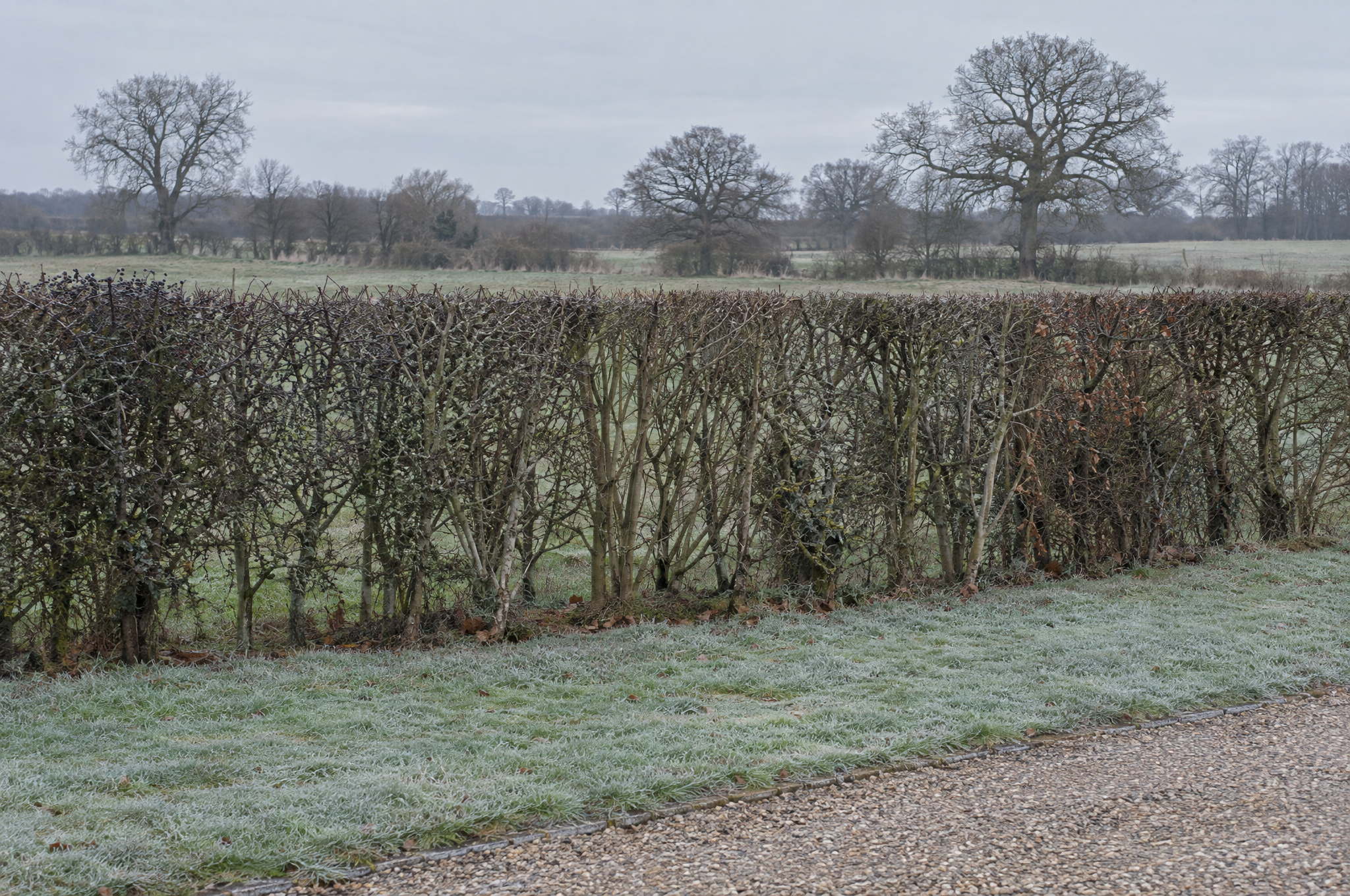
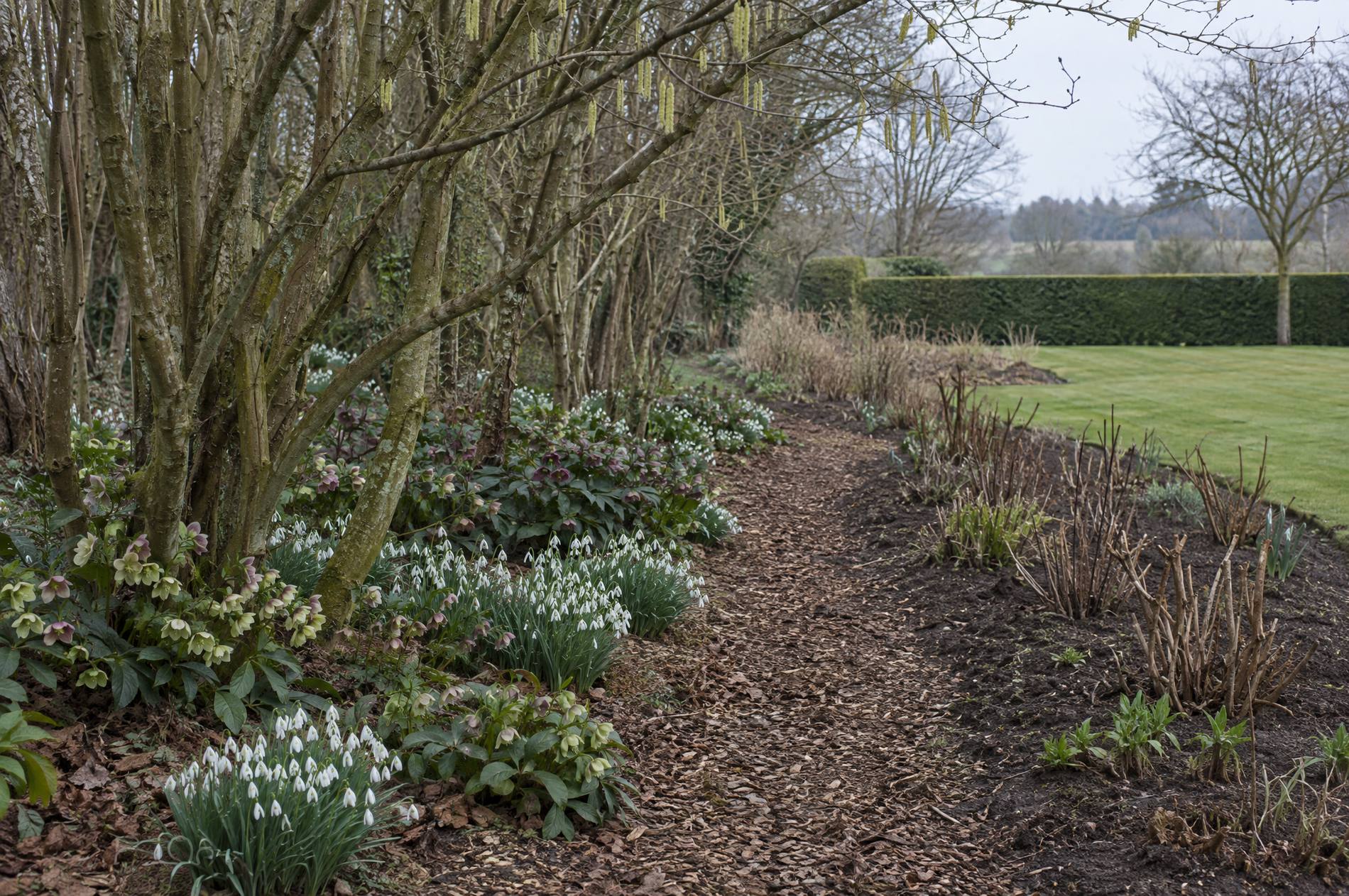
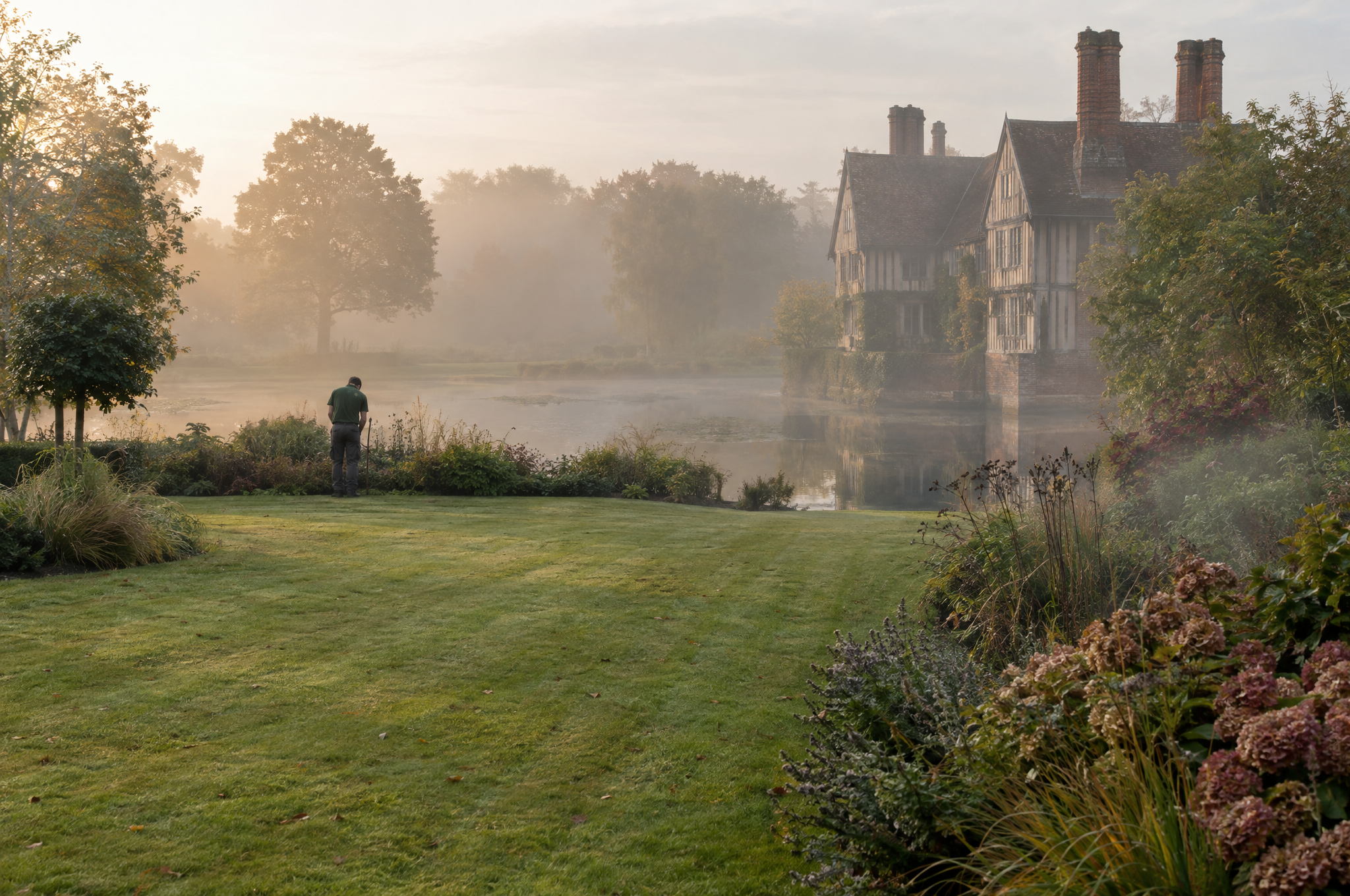
Enquiries are read in person, by Elliott. A few lines about the garden, the kind of work you have in mind and roughly where you are in Suffolk is all we need to start. Where it makes sense, we will arrange a quiet visit to look round the garden and talk it through.